10 Best Exterior LED Lighting Options for 2026

Outdoor lighting is more than a bright porch or a beam across the driveway. The right fixture can make steps easier to see, highlight a garden path, and reduce wasted light spilling into a neighbor’s window. For 2026, the best Exterior LED Lighting choices balance visibility, energy use, durability, and control—not brightness alone.

The U.S. Department of Energy’s 2019 Energy Savings Forecast of Solid-State Lighting in General Illumination Applications projected annual savings of 569 terawatt-hours by 2035 as LED adoption grows. That is a forecast, not a guarantee for any single home. Fixture design and use matter. A shielded wall light aimed down can serve an entry more effectively than an exposed, overly bright lamp. Small details matter. Color temperature, motion sensors, weather ratings, and replaceable components all affect daily performance.

Lighting researcher Dr. Charles Czeisler has described light as “the most powerful synchronizer of the human circadian pacemaker.” His statement concerns human biology, not a specific outdoor fixture, but it is a useful reminder: light affects more than what we see. A warmer, directed beam may be a better fit near bedrooms than harsh light left on all night. There is no perfect fixture. A motion sensor can save energy, yet poor placement may trigger it with passing traffic. The options ahead compare practical strengths and compromises, so homeowners can choose lighting that suits their property rather than simply buying the brightest product.
10 Best Exterior LED Lighting Options for 2026

How Exterior LED Lighting Works and Where It Is Used

Exterior LED lights produce illumination when electrical current passes through semiconductor diodes. A driver regulates that current, helping the fixture shine steadily and limiting flicker. LEDs use less energy as heat than many older lamps. Cold mornings matter. Beam angle, color temperature, and weather protection all affect how the light performs outdoors.

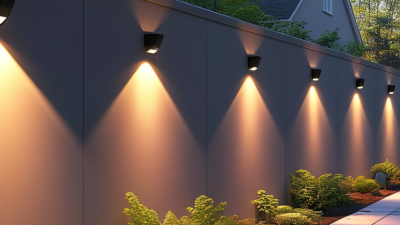
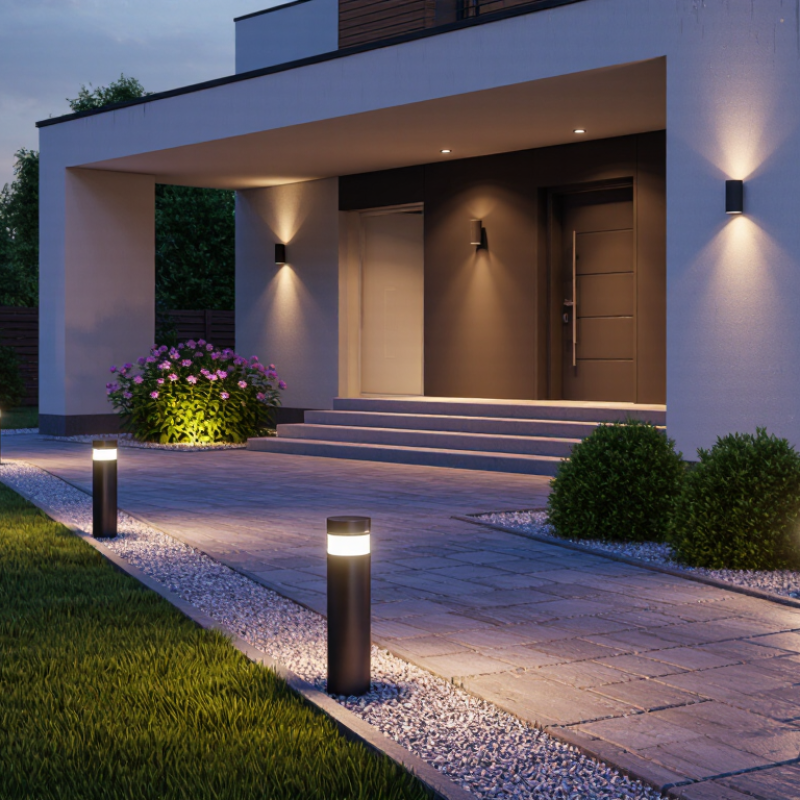
At an entry, a broad, warm beam can reveal steps without washing out the doorway. Narrower beams suit walls, trees, and architectural details. Motion sensors can help near side gates, while dusk sensors switch pathway lights on automatically. Shielded patio fixtures reduce glare across a table and into nearby windows. Match the fixture’s weather rating to its exposure, and protect connections from moisture. A layout that looks balanced on paper may still leave a dark patch. Test after dark.

Tips: Start with the task, not the fixture. Mark steps and entrances, then try one light at night before settling on a layout. Aim beams away from people’s eyes. Keep color consistent where fixtures are visible together; even a small mismatch can stand out. If wiring or mounting is unfamiliar, ask a qualified installer to check the setup.

10 Best Exterior LED Lighting Options for 2026

Typical lumen-output ranges help match exterior LED fixtures to their intended use. Actual output varies by fixture design, mounting height, and application.

Path and step lights typically provide lower-level guidance, while floodlights and area lights deliver higher output for security and broader outdoor coverage. Choose fixtures based on the area, mounting position, and lighting requirements.

Key Factors for Choosing Outdoor LED Fixtures in 2026

Choosing exterior LED fixtures in 2026 starts with the job each light must do. A porch needs a comfortable, even glow, while a driveway benefits from broader coverage. Check the lumen rating, not just the wattage. More light is not always better. A harsh beam can spill into a neighbor’s window or make steps harder to see.

Weather resistance matters just as much. Look for a suitable IP rating for the fixture’s exposure, especially near sprinklers or coastal air. Sealed housings and corrosion-resistant materials can help fixtures withstand rain and damp conditions. Color temperature also changes how a space feels: warmer light often suits entries, while neutral white can make paths and work areas easier to navigate. Test a sample if possible. Photos can mislead.

Think about controls and upkeep before buying. Motion sensors can help illuminate a side gate only when someone approaches, but poor placement may trigger them for passing traffic. Dimmable fixtures offer flexibility, though not every LED works with every dimmer. Check compatibility. Consider replacement access, wiring, and the beam angle, too. A small pool of light may leave a dark gap between the garage and walkway. That detail is easy to miss.

Ten Exterior LED Lighting Options for Different Applications

Exterior LED lighting works best when each fixture has a clear job. Wall sconces can brighten entryways, while porch ceiling lights provide even coverage beneath a roof. Motion-activated floodlights suit driveways and side yards, but aim them away from neighbors’ windows. Path lights help mark garden routes; keep beams low to reduce glare. Small details matter.

For steps, recessed LED lights can make changes in level easier to see. Bollard lights define longer walkways without relying on frequent low fixtures. Adjustable landscape spotlights can highlight a tree or textured wall, though narrow beams may create harsh shadows. Deck and railing lights add gentle guidance around seating areas. Under-eave lights can wash exterior walls evenly when spaced with care.

Choose fixtures rated for their exposure to rain and dust, and check that connections suit outdoor use. Warm or neutral-white light often feels more comfortable near living spaces than very cool light. Avoid installing more fixtures than a space needs; extra brightness can flatten detail and spill into nearby rooms. Test the layout after dusk. A plan that looks balanced on paper may still leave one dark corner.

Comparing Brightness, Energy Use, Durability, and Controls

10 Best Exterior LED Lighting Options for 2026

Choosing exterior LEDs means balancing useful brightness with energy use, weather resistance, and control. Compare lumens, not watts: lumens describe light output, while watts measure electricity use. A broad floodlight can brighten a driveway, but may spill light into a neighbor’s window. Shielded wall lights or lower-output path lights can work better near doors and walkways. Small details matter.

The U.S. Department of Energy’s Energy Saver guidance says LEDs use at least 75% less energy and last up to 25 times longer than incandescent lighting. Those figures are comparisons with incandescent lamps, not guarantees for every outdoor fixture. Check the fixture’s rated life, replaceable components, and temperature range; cold, damp exposure can test seals and materials. An IP65 rating under IEC 60529 indicates dust-tight protection and resistance to water jets, but does not mean a fixture can be submerged.

Controls affect convenience and wasted light. Motion sensors suit side yards and rarely used entrances; photocells can switch lights on at dusk, while timers help limit overnight operation. Dimming is useful, but only when the fixture and control are compatible. Not always obvious. Before buying, compare sensor range and adjustment settings, then test the beam from the actual mounting height. A specification sheet cannot show every glare problem.

Installation, Safety, and Maintenance Considerations

For 2026, choose exterior LEDs around the task, not just the fixture’s appearance. Path lights should spread soft light along a walkway without shining into nearby windows. Wall lights suit entrances, while adjustable floodlights can cover a driveway or dark corner. Check that each fixture is rated for its intended exposure to rain and moisture. Salt air and winter grit can also shorten the life of unsuitable finishes. That detail matters.

Before installation, switch off the circuit at the breaker and verify that power is off. Outdoor electrical connections need suitable weather protection, and local requirements vary. If wiring, grounding, or circuit capacity is uncertain, hire a qualified electrician rather than improvising. Aim lights downward where practical; excessive glare can make steps harder to see. I’ve found that spacing looks different at night than it does on a daytime plan, so test the layout before fixing every fixture in place.

Maintenance is simple, but easy to postpone. Wipe lenses with a soft cloth, clear leaves from solar panels, and check mounting screws and cable entries a few times each year. Look for cracked seals, corrosion, flickering, or water inside the housing. Cut power before inspecting wired fixtures, and replace damaged parts instead of covering them with tape. Even a well-rated light can fail early when a seal loosens.

10 Best Exterior LED Lighting Options for 2026 - Installation, Safety, and Maintenance Considerations

A practical comparison of common outdoor LED fixture types, typical light output, installation needs, and upkeep.

Lighting option Best suited for Typical light output Installation considerations Safety considerations Maintenance
1. LED wall sconces Entryways, patios, and exterior walls About 500–1,500 lumens per fixture Usually replace an existing wall fixture or require a new electrical box. Aim light toward the ground where practical. Choose a fixture rated for its exposure, such as a wet-location rating where it may receive direct rain. Seal and install according to the instructions and local code. Clean the lens and check seals and mounting hardware periodically.
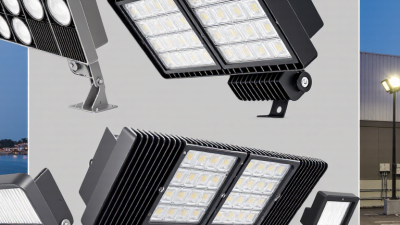
2. LED floodlights Driveways, yards, and broad-area illumination About 1,000–4,000 lumens per fixture Mount securely and direct the beam at the target area; avoid aiming toward neighboring windows or the sky. Use an outdoor-rated fixture and correctly rated wiring and connections. A qualified electrician should handle new line-voltage wiring. Remove dirt from the lens and inspect the mount and seals for weather damage.
3. Motion-sensor security lights Entrances, garages, and side yards where light is needed on demand About 1,000–3,000 lumens per fixture Position the sensor to cover the approach area; adjust its range and detection direction to reduce unwanted activation. Follow the fixture’s outdoor installation instructions. Keep sensors and lights away from locations where glare could affect drivers or neighbors. Clean the sensor lens and test detection and timer settings seasonally.
4. Low-voltage pathway lights Walkways, garden paths, and landscape edges About 100–300 lumens per fixture Commonly use a listed outdoor transformer and 12-volt wiring. Plan fixture spacing to create even illumination without crowding the path. Use components designed to work together and protect connections as directed. Check for buried utilities before digging or staking fixtures. Clear leaves and soil from lenses; check stakes, connectors, and cable condition.
5. LED step lights Stair risers, retaining walls, and changes in level About 20–100 lumens per fixture Install so the tread and step edge are visible, with consistent placement along the stairway. Plan wiring before closing walls or hardscape. Use fixtures rated for the location and install them without weakening structural parts or creating trip hazards. Wipe lenses and check that fixtures remain secure and unobstructed.
6. Deck and post-cap lights Deck railings, fence posts, and outdoor seating areas About 10–100 lumens per fixture Check post dimensions and mounting requirements. Low-voltage or solar models may avoid new line-voltage wiring. Select a fixture rated for outdoor exposure and ensure it does not obstruct handrails or create sharp edges. Clean lenses and inspect fasteners; for solar models, keep the panel clear and exposed to sunlight.
7. Outdoor LED string lights Patios, pergolas, and temporary gathering areas Often about 40–100 lumens per bulb Use support wires or mounting points designed to carry the load; do not let the electrical cord bear excessive tension. Use products marked for outdoor use and plug into a properly protected outdoor receptacle. Keep connections off the ground and follow the maker’s connection limits. Check bulbs, sockets, cord insulation, and supports for damage before use and after severe weather.
8. In-ground or well lights Trees, walls, landscape features, and ground-level accents About 100–500 lumens per fixture Plan drainage, placement, and cable routing before installation. Use a suitable housing for the surface and expected foot traffic. Choose a product specifically rated for in-ground or wet conditions as applicable. Do not install where water can collect unless the fixture is designed for that use. Clear debris and standing water where possible; inspect lenses and seals for cracks or moisture.
9. Eave and soffit downlights Covered entryways, porches, and exterior overhangs About 300–800 lumens per fixture Confirm the fixture is approved for the ceiling or soffit assembly and has the required clearance from insulation and other materials. Follow the fixture’s installation and electrical instructions; use a qualified electrician for new wiring or uncertain conditions. Clean trim and lens; check for water intrusion or loose fittings.
10. LED area and pole lights Large driveways, parking areas, and extensive yards About 5,000–20,000 lumens per fixture Requires a stable, appropriately engineered pole or mounting surface. Consider beam distribution, mounting height, and aiming before installation. Line-voltage connections, pole foundations, and elevated work may require qualified professionals and permits under local rules. Inspect the pole, base, fasteners, and electrical connections; clean the optical surface and check aiming periodically.

Note: Light-output figures are approximate examples for common residential and light-commercial products; actual output varies by fixture and model. Check the product label for its wet-location or other applicable rating. For electrical work, follow manufacturer instructions and local codes; use a qualified electrician when required.