How to Choose Exterior LED Lighting for Any Project?

Choosing Exterior Led Lighting is not simply a matter of selecting the brightest fixture. It requires balancing illumination, weather resistance, energy use, visual comfort, maintenance, and project budget. A pathway may need gentle, uniform light, while a warehouse entrance requires stronger illumination and controlled glare. Small details matter: a poorly aimed wall pack can shine into bedroom windows, waste energy, and create harsh shadows.

Industry data supports careful LED selection. The U.S. Department of Energy’s Energy Savings Forecast of Solid-State Lighting in General Illumination Applications projected that solid-state lighting could deliver substantial electricity savings through 2035. The International Energy Agency has also identified efficient lighting as an important energy-efficiency opportunity worldwide. Yet energy savings depend on more than LED technology alone. Incorrect spacing, excessive brightness, or weak controls can reduce real-world performance. That part is often overlooked.

This guide examines how to match Exterior Led Lighting with different project conditions. It considers lumen output, beam angle, color temperature, CRI, IP and IK ratings, corrosion protection, controls, and expected service life. Standards such as IES recommendations, ANSI/IES LM-79, LM-80, and TM-21 can support more reliable performance comparisons. Still, laboratory results cannot predict every installation. A coastal walkway, dusty loading area, and landscaped hotel entrance will age differently. Field experience matters.

There is no universal “best” fixture. A durable product may cost more initially, but fewer replacements can improve its lifecycle value. However, higher price does not automatically mean better design. This article helps project owners, designers, and contractors ask sharper questions before purchasing. The goal is practical lighting that remains safe, efficient, comfortable, and maintainable after installation.
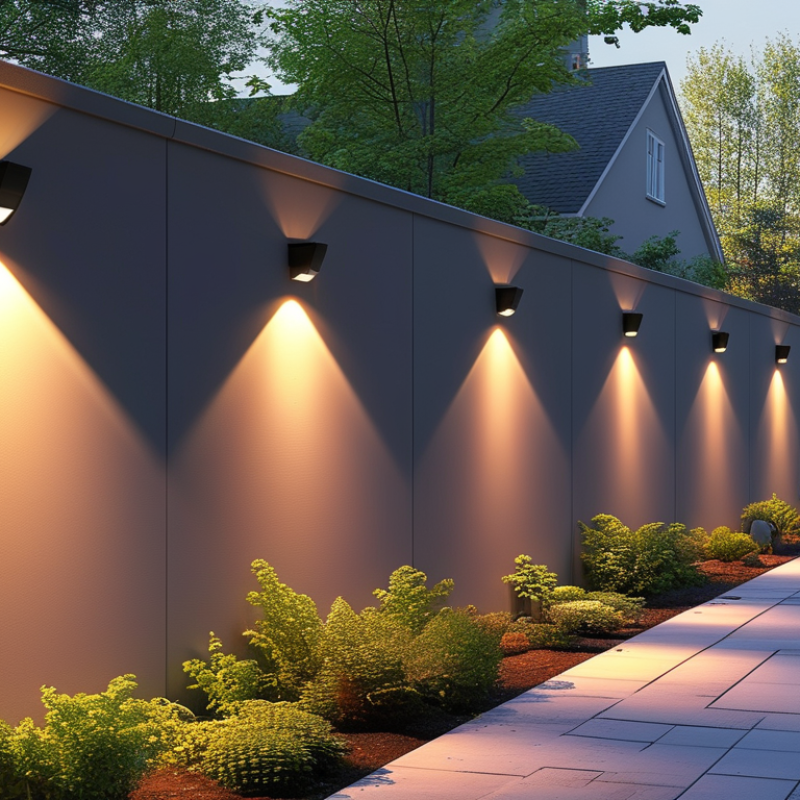
How to Choose Exterior LED Lighting for Any Project?

Define Project Goals, Site Conditions, and Lighting Requirements

How to Choose Exterior LED Lighting for Any Project?

Define Project Goals, Site Conditions, and Lighting Requirements

Begin by defining what the lighting must accomplish. A driveway needs safe visibility, while a patio may need comfort and atmosphere. Security lighting requires clear coverage, controlled brightness, and dependable operation. Avoid choosing fixtures by appearance alone. The wrong beam angle can leave dark gaps or create harsh glare. Small details matter.

Walk through the site during daylight and after sunset. Note trees, walls, water exposure, nearby windows, and pedestrian routes. Moisture, dust, coastal air, and freezing temperatures can shorten fixture life. Select suitable protection ratings for each location. Mounting height also changes light distribution. Test the proposed position before permanent installation. It is easy to misjudge.

Match output, color temperature, and controls to the project’s real use. Warm light often suits residential spaces, while neutral light can improve task visibility. Use shields or carefully aimed optics near bedrooms and roads. Photocells, timers, and dimming controls can reduce wasted energy. A qualified electrician should verify wiring, grounding, load capacity, and local requirements.

Keep maintenance realistic. Can someone safely clean the lens or replace a driver? If access requires special equipment, the original plan may be too costly. I have seen attractive layouts fail because maintenance was ignored. That assumption can fail. Review the design on paper, then inspect a night-time sample before approving the full installation.

Select the Right LED Fixture Type, Beam Angle, and Light Distribution

How to Choose Exterior LED Lighting for Any Project?

Choosing an exterior LED fixture starts with the task, not the appearance. Wall-mounted fixtures suit entrances, pathways, and service areas. In-ground lights can highlight trees, signs, or textured walls. For open spaces, floodlights provide broad coverage, while bollards guide people along walkways. Select a sealed fixture with suitable weather protection for rain, dust, and temperature changes.

Beam angle controls how light spreads. A narrow beam creates a focused accent on a column or tree trunk. A medium beam works well for façades and small courtyards. Wide beams cover larger zones but may cause glare when aimed toward eye level. Light distribution matters equally. Symmetrical output supports open areas, while asymmetric output pushes light along walls or paths. Check mounting height before deciding. A beam that looks balanced on paper may appear harsh after installation.

Tips: Aim fixtures away from windows and neighboring properties. Test one unit at night before ordering many. I have found that real surfaces change the result; pale stone reflects strongly, while dark brick absorbs light. Do not rely only on lumen ratings. Review spacing, color temperature, glare control, and maintenance access. A lower output can feel better when distribution is precise. Still, every site has surprises. Recheck shadows after landscaping changes.

How to Choose Exterior LED Lighting for Any Project? - Select the Right LED Fixture Type, Beam Angle, and Light Distribution

LED Fixture Type Typical Outdoor Use Recommended Beam Angle Preferred Light Distribution Typical Mounting Height Typical Output Range Recommended Color Temperature Key Selection Considerations
Wall Pack Building entrances, service doors, loading areas, and perimeter walls 90°–150° or asymmetric wall-wash optics Wide forward distribution; cutoff or shielded distribution where glare control is important 2.5–6 m 2,000–15,000 lm 3,000–4,000 K Choose a durable housing, suitable ingress protection, and optics that illuminate the wall and adjacent walking area without directing excessive light toward windows.
Floodlight Building facades, sports areas, yards, construction sites, and large outdoor zones 20°–60° for focused coverage; 60°–120° for broad coverage Symmetric flood distribution or asymmetric area distribution 4–15 m 5,000–80,000 lm 3,000–5,000 K Use adjustable aiming, glare shields, and photometric data to prevent spill light. Higher mounting heights generally require narrower beams or higher lumen output.
Area Light Parking lots, pedestrian paths, campuses, public spaces, and commercial sites 90°–150° or Type II, III, IV, and V roadway-style distributions Asymmetric forward distribution for perimeter coverage; symmetric distribution for open areas 5–15 m 8,000–40,000 lm 3,000–4,000 K Match the distribution to the pole layout and site geometry. Consider pole spacing, mounting height, uniformity, disability glare, and maintenance access.
Canopy Light Covered walkways, fuel canopies, parking garages, entrances, and sheltered loading zones 90°–150° Wide symmetric distribution for even illumination below the mounting surface 2.5–5 m 2,000–15,000 lm 3,000–4,000 K Select a low-profile fixture with strong impact resistance and adequate protection against dust and moisture. Check spacing to avoid bright and dark patches.
Bollard Light Pedestrian paths, gardens, plazas, campuses, and landscape borders 360° for open ambient lighting; 90°–180° for controlled pathway lighting Low-level symmetric, asymmetric, or shielded pathway distribution 0.6–1.2 m 500–3,000 lm 2,700–3,500 K Prioritize pedestrian comfort, low glare, vandal resistance, and an appropriate spacing pattern. Shielded optics are often preferable near residences and wildlife-sensitive areas.
In-Ground Uplight Trees, columns, walls, monuments, signs, and architectural features 10°–40° for accents; 40°–60° for broader wall or canopy illumination Narrow spot, medium flood, or adjustable distribution Ground-mounted 500–6,000 lm 2,700–4,000 K Use a sealed, drainage-friendly design and specify a lens rated for foot traffic when installed in walkable areas. Aim carefully to reduce upward light and glare.
Linear Exterior Fixture Building facades, canopies, bridges, handrails, and continuous architectural details 10°–30° for grazing; 30°–60° for wall washing Continuous linear, asymmetric wall-wash, or grazing distribution 0.5–10 m depending on the application 500–5,000 lm/m 2,700–4,000 K; RGB or tunable white for specialist projects Check installation length, thermal management, bend radius, driver location, connection details, and color consistency across the complete run.
Step and Recessed Light Stairs, ramps, retaining walls, terraces, and pedestrian circulation areas 30°–120° depending on the mounting position Shielded downward, asymmetric, or wall-grazing distribution 0.2–2 m 100–1,500 lm 2,700–3,500 K Keep the light source shielded from direct view where possible. Coordinate fixture placement with stair geometry to avoid shadows, glare, and trip hazards.
High-Bay or High-Mast LED Large yards, ports, industrial sites, warehouses, and high-ceiling exterior structures 30°–90° Symmetric high-bay distribution or asymmetric area distribution 8–30 m 20,000–150,000 lm 4,000–5,000 K Confirm structural loading, wind exposure, aiming range, surge protection, access requirements, and the required illuminance and uniformity for the task.
Solar LED Light Remote paths, parks, parking areas, rural roads, and locations without convenient grid power 90°–150° for area coverage; narrower optics for pathway emphasis Asymmetric forward distribution or broad pathway distribution 3–10 m 1,000–15,000 lm 3,000–4,000 K Size the solar panel and battery for local solar conditions, operating hours, autonomy requirements, seasonal variation, and expected nighttime load.
Typical values are planning ranges rather than mandatory specifications. Final selection should be based on a photometric layout, local lighting regulations, environmental conditions, mounting geometry, and the required illuminance and uniformity.

Match Brightness, Color Temperature, and Color Rendering to the Space

Choosing exterior LED lighting starts with the space, not the fixture. A narrow pathway may need moderate brightness, while a loading area requires stronger, evenly distributed light. Measure the space. Consider mounting height, surface color, nearby windows, and pedestrian movement. Excessive brightness can create glare, deep shadows, and unsafe contrast.

Color temperature changes the atmosphere. Warm light around 2700K to 3000K can suit patios, restaurants, and residential entrances. Neutral light near 3500K to 4000K often supports visibility around offices, walkways, and public facilities. Cooler light may reveal details, but it can feel harsh against brick, wood, or greenery. I have found that “brighter” rarely means “better.” Test after dark, because daytime impressions can be misleading.

Color rendering matters when people must recognize materials, faces, signs, or plants. Select a high CRI rating for entrances, hospitality areas, retail displays, and architectural features. However, CRI alone does not describe every color accurately; examine important red tones and skin tones when possible. Compare samples on the actual wall or pavement. A light that looks excellent in a showroom may appear flat outdoors. Recheck the result from several viewing angles, especially near reflective paving or water. The right choice may still involve compromise. Consider glare control, uniformity, weather exposure, and future maintenance before approving the final layout.

How to Choose Exterior LED Lighting for Any Project?

Match brightness, color temperature, and color rendering to the space.

The chart shows typical maintained illuminance targets for common outdoor areas. Use warmer 2700–3000 K light for residential and hospitality settings, 3000–4000 K for entrances and general commercial areas, and 4000–5000 K where higher visual alertness is required. A minimum CRI of 80 is suitable for most exterior projects, while CRI 90 or higher is preferred where accurate color recognition is important. Always verify local lighting codes and site conditions.

Evaluate Durability, Energy Efficiency, Controls, and Installation Needs

Choosing exterior LED lighting starts with the site, not the fixture catalogue. Wind, salt, rain, dust, and maintenance access shape every specification. Energy Saver data from the U.S. Department of Energy (2024) reports at least 75% energy savings. It also reports lifespans up to 25 times longer than incandescent lamps. That advantage matters where lifts or traffic closures make relamping expensive. Still, rated life varies. Heat, voltage quality, and frequent switching can shorten performance.

For exposed locations, check the enclosure’s IP rating under IEC 60529. IP65 resists dust and water jets, while IP67 adds temporary immersion protection. Do not confuse water resistance with corrosion resistance. Coastal projects need suitable materials, sealed connections, and regular inspection. The DesignLights Consortium’s Technical Requirements (2024) emphasizes tested efficacy, color quality, and lumen maintenance. Ask for LM-79 and LM-80 evidence, not only catalogue claims. Photometric files also verify pavement coverage and potential glare.

Controls must fit behavior. Astronomical timers, occupancy sensors, dimming, and monitoring can reduce wasted operating hours. U.S. Department of Energy guidance indicates controls can produce substantial additional savings, but commissioning determines the result. A sensor aimed at moving branches is a practical failure. Set dimming levels after observing traffic, weather, and security needs. Installation requires circuit capacity, surge protection, access, and local electrical compliance. My preference is conservative: specify protection carefully, then measure illumination after installation. The first design is rarely perfect.

Verify Safety Standards, Maintenance Plans, and Long-Term Project Value

How to Choose Exterior LED Lighting for Any Project?

Exterior LED selection should begin with safety, not brightness. Confirm certification under applicable standards, such as UL 1598 or IEC 60598-1, before reviewing fixture appearance. Ask for photometric data tested under IES LM-79 procedures. Check ingress protection, grounding, surge resistance, and corrosion performance for the actual site. A coastal walkway needs different protection than a covered loading bay. The U.S. Department of Energy reports that quality LEDs can use at least 75% less energy and last up to 25 times longer than incandescent lighting. However, cheap drivers can shorten that advantage.

Maintenance planning protects long-term value. Review L70 projections, driver warranty terms, replacement access, and cleaning requirements. LM-80 and TM-21 data can support LED lifetime claims, but they do not predict every outdoor condition. Heat, moisture, vibration, and voltage changes still matter. Keep a simple maintenance record with installation dates, failed components, and measured illuminance. It helps expose weak assumptions.

On site, I have seen fixtures rated for wet locations installed beneath poor drainage. The rating was correct; the installation was not. That mistake was expensive. DOE’s Solid-State Lighting research reports laboratory efficacies above 200 lumens per watt, yet real projects may deliver much less after optics, dirt, temperature, and controls. Compare total ownership cost, not wattage alone. Include energy, access equipment, replacements, controls, and disposal. No forecast is perfect. A five-year review often reveals what the original spreadsheet missed.