Top 10 Industrial LED Lighting Manufacturers to Buy From?

Choosing from the top 10 industrial LED lighting manufacturers requires more than comparing catalog prices. Industrial Led Lighting must suit the work, the environment, and the people using the space. A warehouse aisle needs clear, even visibility; a machine station may need focused light with minimal glare. The right fixture should also withstand dust, vibration, heat, or moisture where those conditions apply. Small details matter. A poorly placed sensor or difficult-to-replace driver can undermine an otherwise efficient installation.

Lighting researcher John Bullough of Rensselaer Polytechnic Institute offers a useful perspective. A practical paraphrase of his lighting research is: “Match light to the task, then verify it on the floor.” That is not a direct quotation, but it captures an important buying habit. Ask manufacturers for photometric data, tested product specifications, warranty terms, and clear guidance on controls. Check whether the proposed optics and mounting heights fit your actual layout. A polished brochure is not proof of performance.

This guide compares ten manufacturers through product range, application fit, technical support, and reliability signals. It also considers whether a supplier can help with a real project, not just a sample fixture. No ranking can replace an on-site assessment. And specifications can look better on paper. Treat the shortlist as a starting point, then confirm the details with qualified lighting professionals before making a purchase.
Top 10 Industrial LED Lighting Manufacturers to Buy From?

What Industrial LED Lighting Is and Where It Is Used

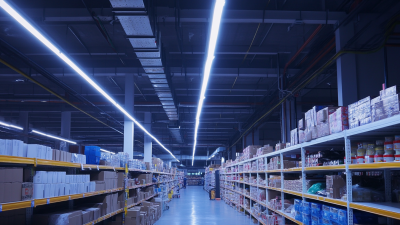
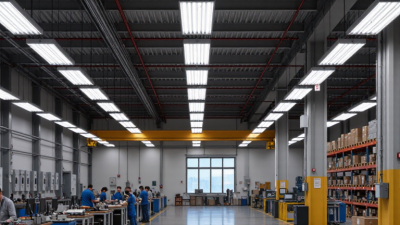
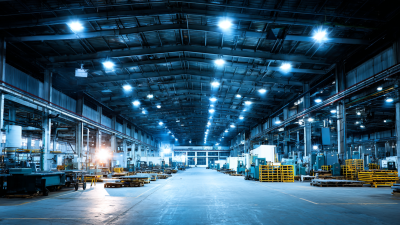
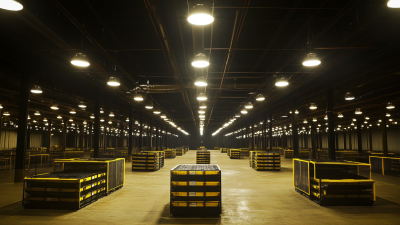
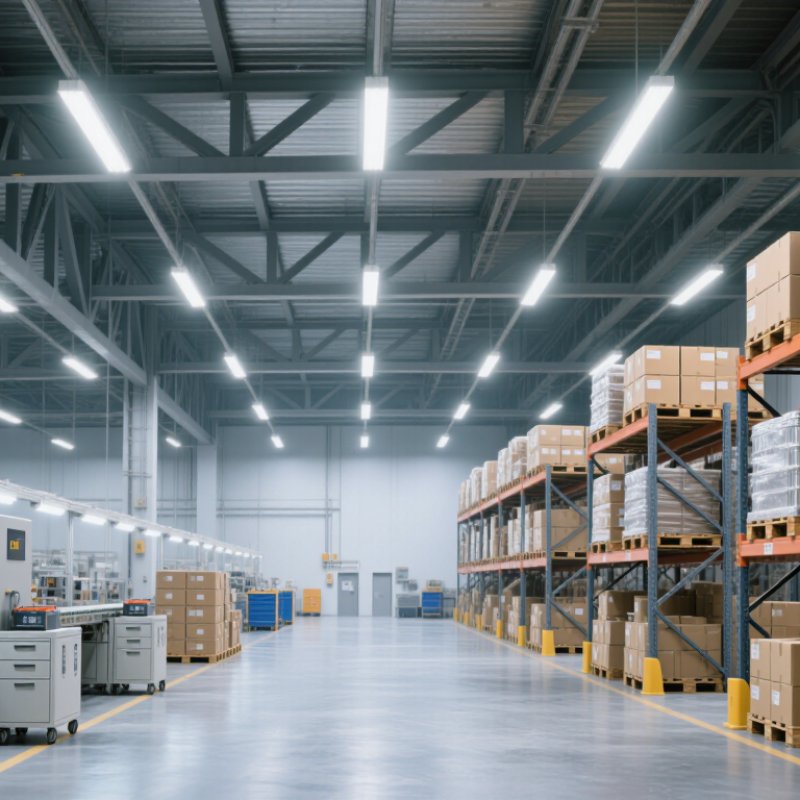
Industrial LED lighting uses light-emitting diodes in demanding work environments, including factories, warehouses, workshops, and loading areas. Fixtures are designed to provide dependable illumination over long operating hours. High-bay lights often serve tall warehouse ceilings, while linear fixtures can illuminate production lines and workbenches. The application matters. A bright fixture alone does not guarantee safe, comfortable visibility.

Choosing a suitable system involves more than comparing wattage. Planners consider ceiling height, task detail, mounting position, glare, dust, moisture, and ambient temperature. In a machine shop, focused task lighting may help workers inspect small components; a distribution aisle may need even light across the floor. Cold-storage rooms also require equipment rated for low temperatures. Details matter. A poorly positioned light can create harsh shadows exactly where a worker needs to see.

LEDs can reduce energy use and maintenance frequency compared with some older lighting systems, but results depend on the site and installation. Controls such as occupancy sensors may help in intermittently used storage zones, though settings need testing to avoid lights switching off during work. Light levels should be assessed at the actual task surface, not guessed from a fixture label. That takes care. A practical lighting plan also considers replacement access, wiring conditions, and how the space may change over time.

How to Evaluate Industrial LED Lighting Manufacturers

Choosing an industrial LED lighting manufacturer starts with the worksite, not a glossy catalog. Note ceiling height, operating hours, dust, moisture, vibration, and ambient heat. A high-bay fixture over a packaging line faces different demands than a low-bay unit in a clean warehouse. Be specific. Ask for photometric files and check whether beam angles suit aisle widths and mounting heights. Compare delivered lumens, efficacy, color consistency, and glare control; wattage alone says little about usable light. Request thermal test data, ingress protection ratings, and clear maintenance expectations for drivers and LEDs.

Evidence should be easy to verify. Review independent test reports, relevant safety certifications, product datasheets, warranty terms, and spare-parts availability. Ask how light output changes at high temperatures and whether replacement components will remain compatible. Ask for proof. A supplier that provides measured data is easier to assess than one offering broad promises. Still, paperwork is not the whole story. Request a sample, inspect its housing and wiring, and test it in a representative area before placing a large order. Discuss lead times, dimming controls, commissioning support, and failure response. Even careful comparisons can miss site quirks; that is worth admitting. A long warranty may offer little value if claim procedures, labor coverage, or response times are unclear. Compare the full service offer, document assumptions, and revisit them after installation.

Leading Industrial LED Lighting Manufacturers to Consider

Choosing an industrial LED lighting manufacturer takes more than comparing wattage and price. Look for teams that can explain how fixture design fits your actual environment, from dusty workshops to cold storage rooms. Ask for photometric data, operating-temperature limits, ingress protection ratings, and dimming compatibility. Clear answers matter. A useful supplier can also discuss heat management, because poor thermal control may shorten LED life even when initial brightness looks impressive. Request sample reports and check that product claims match the documentation.

Tips: Share ceiling height, shift hours, and maintenance access before requesting a quote. A simple site plan can prevent costly fixture mismatches.

Leading manufacturers should offer practical support beyond the sale. Check whether they provide installation guidance, replacement parts, and a realistic warranty process. If possible, speak with customers who use the fixtures in similar conditions, and ask how performance changed after several seasons. Specifications are useful, but they cannot reveal every issue. I would be cautious about choosing solely by advertised lifespan; actual results depend on heat, switching frequency, and installation quality. Some comparisons remain imperfect, so document your requirements and evaluate each proposal against the same criteria.

How Manufacturers Differ in Products, Certifications, and Support

Choosing an industrial LED manufacturer means comparing more than wattage and price. Product ranges should match the task: high-bay fixtures for tall ceilings, sealed luminaires for washdown areas, and optics that limit glare over workstations. The U.S. Department of Energy’s 2019 Energy Savings Forecast projected that solid-state lighting could save 569 terawatt-hours annually by 2035 against its conventional-lighting baseline. That is a projection, not a promise for any single facility. Layout, controls, operating hours, and maintenance all affect results.

Certifications also separate suppliers. A safety listing, such as UL or ETL, addresses product safety, while DesignLights Consortium qualification evaluates defined performance criteria for eligible products. Check the exact model and configuration; a certificate for one fixture does not automatically cover its variants. Ask for current photometric files, ingress-protection details, and test documentation. Paperwork matters.

Support is easiest to judge with specific questions. Can the supplier provide an application layout, explain driver compatibility, and respond when a fixture fails? Request a sample, inspect its finish and wiring, and confirm replacement-part availability and warranty terms in writing. DOE projections are useful context, but they cannot replace a site-level lighting calculation. I would still compare quotes carefully; a polished datasheet can leave out awkward installation details.

How to Select a Manufacturer for Your Facility’s Needs

Selecting an industrial LED manufacturer starts with the work happening beneath the fixtures. A machining bay needs controlled light on moving parts; a warehouse needs even coverage across tall racks. The U.S. Department of Energy’s 2020 U.S. Lighting Market Characterization found LEDs represented 48% of installed lighting stock. Adoption is widespread, but that figure does not prove every product suits your site. Ask for photometric files and a lighting layout based on mounting height, aisle width, and required task illumination.

Check environmental ratings against actual conditions. Dust, washdowns, vibration, heat, and corrosive air can shorten fixture life. Request test documentation for ingress protection, temperature limits, driver performance, and warranty terms. Also compare controls, replacement parts, and service response times. Small details matter. DOE Energy Saver reports that LEDs use at least 75% less energy and last up to 25 times longer than incandescent lamps; those comparisons are not a direct guarantee against industrial HID or fluorescent systems. Request a site-specific energy model with operating hours and electricity rates shown. A spreadsheet will not catch every glare problem. Ask for a sample installation or nighttime walkthrough, then check shadows, flicker, and maintenance access with facility staff.