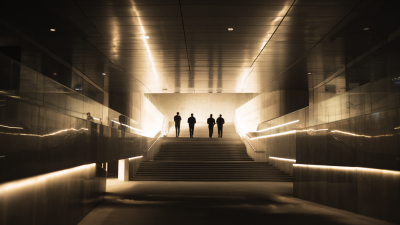
What Is a Linear Light and How Does It Work?
Linear Light refers to a lighting fixture that produces illumination across an extended, narrow form. Unlike a traditional round lamp, it spreads light along a line, bar, or continuous profile. You may see it beneath kitchen cabinets, across office ceilings, inside retail shelves, or along architectural walls. Many modern designs use LED modules, an electronic driver, an aluminum housing, and a diffuser. Each part affects the final result.
The operating principle is practical. Electrical energy reaches the driver, which regulates current for the LEDs. The LEDs then convert much of that energy into visible light. The housing helps manage heat, while the diffuser softens bright points and reduces glare. Color temperature, beam angle, lumen output, and color rendering determine how the space feels and functions. A warm 3000K fixture may suit a dining area, while a higher-output neutral fixture can support detailed workplace tasks.
Small details matter.
From hands-on installation experience, uneven mounting can create visible breaks in the light line. Poor ventilation may also shorten component life. However, product claims should not be accepted without checking test data, certifications, and warranty terms. A simple definition is useful, but incomplete. Linear Light is not automatically efficient, comfortable, or suitable for every ceiling. Correct sizing, reliable wiring, and thoughtful placement remain essential. When safety or mains voltage is involved, a qualified electrician should verify the installation. That practical caution may seem obvious, yet it is often overlooked.
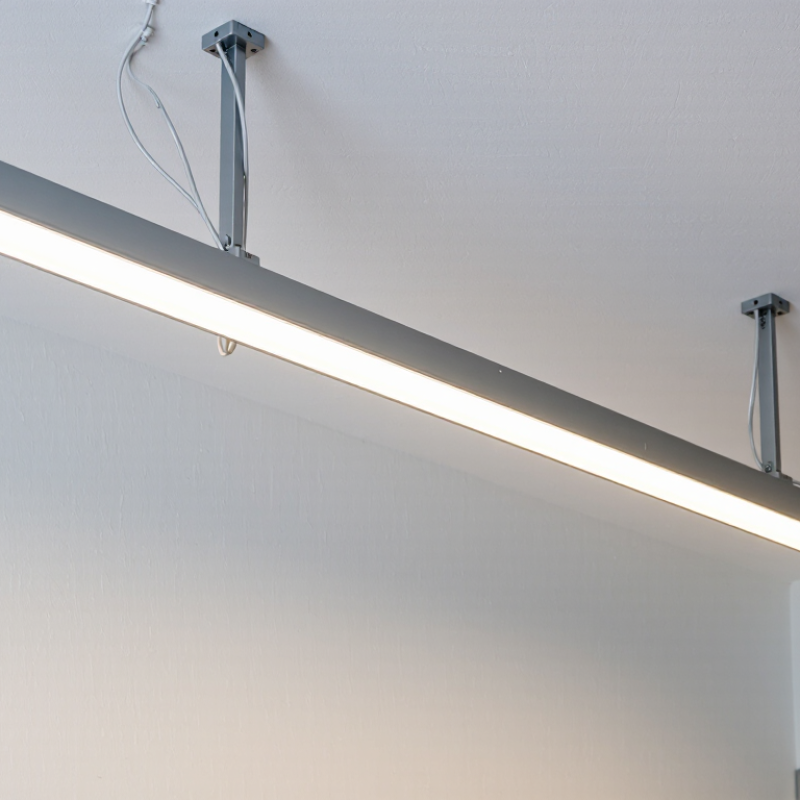
What Is a Linear Light?
A linear light is a long, narrow lighting fixture that produces illumination along a straight path. Unlike a traditional bulb, it spreads light across a wider, more continuous area. Its light source usually consists of LED chips arranged on a circuit board. The board sits inside a metal housing with a diffuser or optical lens. Think of it as a glowing line.
The fixture works by converting electrical energy into controlled light. An LED driver regulates the current before it reaches the LEDs. This regulated current helps maintain stable brightness and reduces electrical stress. The LEDs emit light, while the diffuser softens harsh points and distributes illumination. Some designs use lenses to direct light onto walls, desks, or floors. That detail matters. Without proper thermal design, heat can shorten LED life and shift its color over time. In practical installations, checking wattage, color temperature, color rendering, and protection ratings is essential.
Linear lights suit offices, kitchens, retail interiors, workshops, and architectural details. Their shape supports even illumination across long surfaces. They can create a clean ceiling line or highlight a shelf without bulky fixtures. However, “uniform” can be misleading. Visible gaps may appear when sections are poorly joined or spaced. A bright strip can also cause glare when viewed directly. Careful measurement, suitable diffusion, and professional electrical installation improve the result. The right choice depends on ceiling height, task requirements, heat control, and the desired visual effect.
How Linear Lights Are Designed and Constructed
A linear light is designed as a continuous lighting system rather than a single point source. Its long housing usually contains LED boards, a power driver, reflectors, and a diffuser. Each part affects brightness, comfort, and service life. Designers first define the required length, light output, color temperature, and mounting method. They also calculate heat movement through the aluminum body. Poor thermal planning can shorten LED performance. It happens quietly.
Construction begins with a rigid metal profile that protects internal components. LED boards are positioned at regular intervals to reduce dark gaps. A diffuser spreads the light and softens visible points, although excessive diffusion can reduce efficiency. The driver converts incoming electrical power into stable current. Qualified technicians check insulation, grounding, temperature rise, and light distribution before installation. In practice, small alignment errors can create noticeable shadows, especially across long ceilings. That detail deserves more attention.
Tips: Choose the profile after confirming the ceiling structure. Check the diffuser’s material and light-loss rating. Leave access for driver replacement. Keep connections dry and mechanically secure. Test one installed section before ordering the full length. A sample may reveal glare that drawings cannot show. Designers should also review maintenance plans, because a beautiful linear fixture can become inconvenient when repairs require removing an entire ceiling panel.
How a Linear Light Produces and Distributes Illumination
A linear light is a long lighting fixture designed to distribute illumination across an extended area. Unlike a small point source, it spreads light along a continuous line. Most modern models use light-emitting diodes mounted on a narrow circuit board. Electrical current activates the diodes, producing visible light and a small amount of heat.
The fixture’s optical system controls how that light travels. A diffuser softens bright diode points and reduces glare, while lenses can direct illumination toward a work surface or wall. Reflective interiors improve efficiency by guiding stray light forward. In an office, a ceiling-mounted linear light may create an even pool across desks. In a cabinet, the same principle produces a narrow, close-range beam. Distribution depends on mounting height, diffuser design, beam angle, and spacing.
Heat management also affects performance. Metal housings commonly draw heat away from the circuit board, helping maintain stable brightness and color. Poor ventilation can shorten service life. For reliable selection, check color temperature, color rendering, dimming compatibility, and measured light output. A practical test is simple: place the fixture at its intended height and inspect the surface for dark bands or harsh reflections. The result is not always perfect. Even carefully planned layouts can show uneven brightness near corners. I have found that real room surfaces often behave differently from drawings, especially when walls are glossy or textured.
Key Types and Applications of Linear Lighting
Linear lighting uses a long, continuous housing to distribute light across a surface.
Unlike a single-point fixture, it can reduce bright spots and harsh shadows. LED modules sit inside the housing, while a diffuser spreads their output along the fixture. Its performance depends on optics, diffuser quality, color temperature, and installation height. Small details matter.
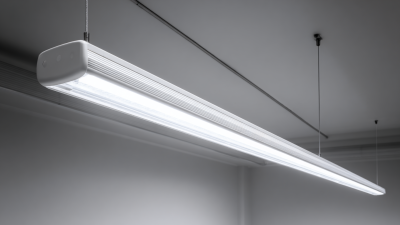
The main types include recessed, surface-mounted, suspended, and wall-mounted linear fixtures. Recessed models sit inside ceilings or joinery, creating a clean architectural line. Surface-mounted units suit concrete ceilings and retrofit projects. Suspended systems work well above desks, counters, and long communal tables. Wall-mounted versions can wash corridors, display shelves, or stair walls with soft, even light. Flexible strip systems fit curves and narrow coves, but they need proper heat management and reliable profiles.
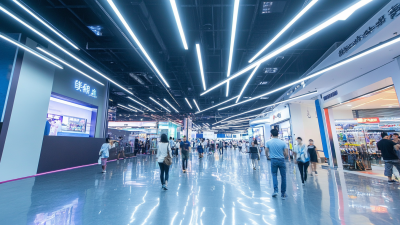
Applications vary widely. Offices often use suspended lighting for balanced task illumination, while warehouses need durable, high-output fixtures with controlled glare. Retail interiors use continuous lines to guide movement and emphasize shelves. Homes may place warm linear light beneath cabinets or along stair treads. Field assessments often show that spacing changes the result more than expected. A poorly positioned fixture can reflect on a glossy desk or leave a dark band near the wall. Check lumen output, color rendering, ingress protection, dimming compatibility, and emergency-lighting requirements before installation. Even careful planning has limits. Human comfort and architectural character still require on-site judgment.