10 Best LED Bulbs to Buy in 2026

Choosing Led Bulbs in 2026 is less about chasing the brightest package and more about matching light to the room. A kitchen ceiling often needs clear, even illumination, while a bedside lamp may feel more comfortable with a warm glow and smooth dimming. Small differences matter. A bulb that flickers, hums, or casts a cold tint can make a familiar room feel tiring.

This guide compares ten options using practical details: brightness in lumens, color temperature, color rendering, energy use, expected lifespan, and dimmer compatibility. Product specifications are useful, but they do not tell the whole story. A bulb’s performance can change with the fixture, shade, or dimmer switch. Check manufacturer guidance and reliable testing where available, and treat lifespan figures as estimates rather than promises. A low price can be tempting, but frequent replacements may cost more over time.

The selections cover common needs, from focused task lighting to softer light for relaxing spaces. Before buying, check the bulb base, shape, brightness, and whether the fixture is enclosed. There is no universal winner. Even a well-rated bulb may feel too bright in a small room or too cool beside warm-toned walls. That is worth remembering. Use this list as a practical starting point, then choose the light that suits your space and habits.
10 Best LED Bulbs to Buy in 2026

How LED Bulbs Work and What Makes Them Energy-Efficient

LED Basics
LED bulbs create light with semiconductor chips rather than heating a wire. An internal electronic driver regulates incoming power and supplies the chips with suitable current. Because LEDs produce less wasted heat than incandescent bulbs, they can use less electricity for similar brightness. Less heat escapes. They still get warm, though, and a crowded, poorly ventilated fixture can shorten their useful life. The details matter.

Energy efficiency is often expressed as lumens per watt: lumens describe visible brightness, while watts measure power use. For example, compare bulbs with similar lumen ratings, not just similar wattages. A lower-watt bulb may be brighter than an older bulb, but results depend on its design and fixture.

Color temperature also changes how a room feels. Warm white can make a bedside lamp feel calmer; cooler light may suit a work area. I’ve found that packaging can make these choices seem simpler than they are, so checking the actual ratings is worthwhile.

Tips: Match the bulb’s shape and base to the fixture, and check whether it is rated for enclosed fixtures or dimmers. If a dimmed bulb flickers, compatibility may be the issue. Keep bulbs uncovered where possible, and follow local guidance for disposal. Small checks help. Keep the old bulb’s brightness in mind when choosing a replacement.

Key Features to Compare When Choosing an LED Bulb

10 Best LED Bulbs to Buy in 2026

When comparing LED bulbs, start with lumens, not watts. Lumens measure brightness; watts show energy use. A 800-lumen bulb can replace a familiar 60-watt incandescent, but check the package’s equivalence carefully. Match the bulb’s shape and base to the fixture, especially for recessed cans or small lamps. U.S. Department of Energy Energy Saver guidance says LEDs use at least 75% less energy than incandescent bulbs. It also says they can last up to 25 times longer. These are comparisons, not guarantees; heat and daily use affect lifespan.

Color quality matters, too. Choose a color temperature that fits the room: warm white feels softer, while cooler light can suit work areas. Check the CRI rating if accurate colors matter near a mirror, artwork, or kitchen counter. Confirm that the bulb is dimmable and compatible with your dimmer; otherwise, flicker or uneven dimming may result. Look for an enclosed-fixture rating when the bulb will sit inside a closed shade. Packaging can make these details less clear than it should be.

Tips: Compare lumens and color temperature first. Check the base. Read dimmer and fixture notes before buying. A lower price may look appealing, but replacement frequency and energy use matter over time.

LED Bulb Brightness: Lumens to Compare

Compare bulbs by lumens, which measure light output. These commonly used brightness targets correspond to traditional 40W, 60W, 75W, and 100W incandescent bulbs. LED wattage varies by model, so check the package for both lumens and energy use.

LED Bulb Types for Different Rooms and Lighting Needs

The best LED bulb depends on what a room needs, not just its socket. Check brightness in lumens rather than watts. A bulb around 800 lumens often replaces a traditional 60-watt bulb, though fixture shades can make light feel dimmer. Small detail. For desks and kitchen counters, choose a neutral white tone around 3,000 to 4,000 kelvins. It helps colors look clear without feeling stark.

Living rooms and bedrooms usually feel more comfortable with warm white light, roughly 2,700 kelvins. Dimmable LEDs can shift a space from reading light to a softer evening glow. Check that the bulb and dimmer are compatible; otherwise, flicker or buzzing may follow. I’ve seen people focus on color temperature and overlook this practical detail. It is easy to miss.

Bathrooms benefit from even light near mirrors, while enclosed fixtures need bulbs specifically rated for enclosed use. For outdoor porches, look for weather-suitable bulbs and a color tone that keeps steps visible without feeling harsh. A high color-rendering index, around 90 or above, can help skin tones and food look more natural. Still, one number cannot guarantee a pleasing room. The shade, wall color, and placement matter too.

Ten LED Bulbs Worth Considering in 2026

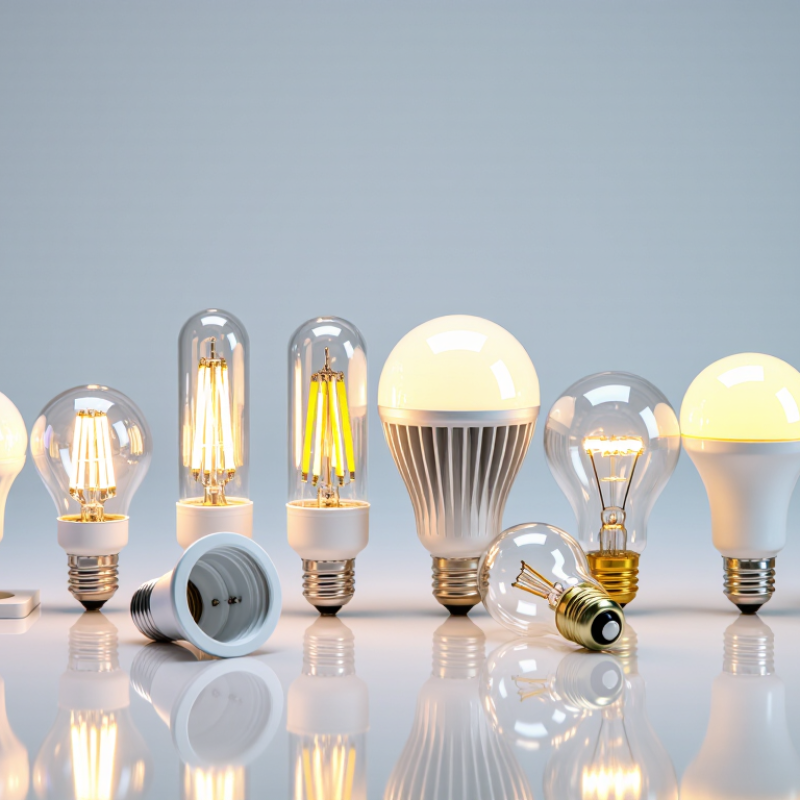
Ten LED bulbs worth considering in 2026 should match the room, fixture, and task—not just the package price. The options include a warm-white A19 for bedside lamps, a neutral-white A19 for kitchens, a dimmable A19 for living rooms, and a high-CRI bulb for accurate color. Add a globe bulb for exposed fixtures, a candelabra bulb for decorative sockets, a BR30 for recessed ceilings, and a weather-rated PAR38 for outdoor fittings. A tunable-white smart bulb and a three-way bulb round out the ten. Small detail, big difference.

The U.S. Department of Energy’s Energy Saver guidance says LEDs use at least 75% less energy than incandescent bulbs. It also says they can last up to 25 times longer, though heat, frequent switching, and fixture design can affect real-world life. Check the bulb’s base, shape, lumen output, and dimmer compatibility before buying. Read the label.

For a hallway, a moderate output and warm color may feel more comfortable than a bright, cool beam. In a work area, higher color accuracy can help distinguish paint, food, or fabric shades. I would not assume every “daylight” bulb looks natural; color preference is personal, and packaging terms vary. That uncertainty matters. Compare specifications, and keep the receipt in case the light feels harsher than expected.

10 Best LED Bulbs to Buy in 2026 — Ten LED Bulbs Worth Considering in 2026

These are brand-free buying profiles based on common LED bulb formats and specification ranges. Actual output, energy use, lifespan, dimmer compatibility, and color options vary by model; check the product label before buying.

Buying Pick Typical Shape & Base Typical Light Output Typical Power Color Options Dimming Best For
Best Overall A19, E26 About 800 lumens About 8–10 W Commonly 2700 K warm white or 3000–5000 K options Available in dimmable and non-dimmable versions Everyday table lamps, floor lamps, and general room lighting
Best for Bright Rooms A21, E26 About 1,500–1,700 lumens About 14–18 W Often 2700–5000 K, depending on model Model-dependent; verify dimmer compatibility Rooms that need more light from a single bulb socket
Best Tunable-White Bulb A19, E26 About 800 lumens About 8–11 W Adjustable warm-to-cool white, commonly around 2700–6500 K Brightness and color adjustment usually require a compatible control or app Changing a room’s white-light tone for different activities
Best Smart Bulb A19, E26 About 800 lumens About 8–11 W Fixed white, tunable white, or color-changing options Controlled through a compatible smart system; wall-dimmer use may be unsuitable Scheduling, remote control, and automated lighting
Best Warm-Dim Bulb A19, E26 About 700–800 lumens at full brightness About 7–10 W Typically shifts from warm white toward a warmer glow as it dims Designed for compatible dimmers; check the listed dimmer requirements Living rooms and bedrooms where softer light is useful
Best Decorative Filament Style A19 or ST19, E26 About 400–800 lumens About 4–8 W Commonly 2200–2700 K warm white Dimmable versions are widely available Exposed fixtures and decorative lamps where the bulb is visible
Best Small-Base Bulb B11 or Candelabra, E12 About 300–500 lumens About 3–6 W Commonly 2700–3000 K; other options vary Available in dimmable versions Chandeliers, sconces, and fixtures with narrow sockets
Best Recessed-Floor Bulb BR30, E26 About 650–850 lumens About 8–11 W Often available from warm white to daylight Many models dim; confirm compatibility with the installed dimmer Recessed cans and directional room lighting
Best Directional Spotlight PAR38, E26, or GU10 format About 350–1,400 lumens, depending on size and beam angle About 5–17 W, depending on output Commonly 2700–5000 K Model-dependent; check the fixture and dimmer requirements Accent lighting, track fixtures, and outdoor-rated fittings when specified
Best Linear Replacement T8 tube format; base and wiring depend on the tube About 1,800–2,200 lumens About 15–20 W Commonly 3000–5000 K Many are not dimmable; confirm ballast or direct-wire compatibility Garages, utility rooms, and compatible linear fixtures

How to Match an LED Bulb to Your Home and Budget

Matching an LED bulb to your home starts with brightness, not wattage. Check lumens on the package, then compare them with the bulb you are replacing. The U.S. Department of Energy reports that LEDs use at least 75% less energy and can last up to 25 times longer than incandescent bulbs. That can reduce running costs, but the cheapest bulb is not always the best value. Estimate yearly energy use with watts divided by 1,000, multiplied by daily hours and your electricity rate. A bulb above a kitchen counter may run for hours; a hallway bulb may not.

Color matters, too. Warm white, around 2700K, feels softer in bedrooms and living rooms. Cooler light can make a workbench or laundry area feel clearer. Small detail. Check the fixture’s label before buying: enclosed shades and dimmer switches may require compatible bulbs. A mismatch can cause flickering or shorten bulb life. I still find color descriptions less useful than seeing the light in the actual room; wall paint and lampshades change its appearance.

For a tight budget, prioritize frequently used fixtures, where lower energy use can make a bigger difference over time. Compare the bulb’s purchase price, stated lifespan, brightness, and energy use—not price alone. The DOE’s figures describe broad comparisons, not a guarantee for every household. Actual savings depend on usage, electricity rates, and fixture conditions.