
What Is White Birch Veneer and What Is It Used For?
White Birch Veneer is a thin layer of birch wood bonded to a stable core, bringing the pale, even look of birch to furniture and interior panels. Its surface often shows a fine, subtle grain, with a light cream-to-golden tone. In a cabinet door, that clean face can make a small kitchen feel brighter. On a desk, it offers real wood character without requiring a thick solid-wood slab. The result depends on more than appearance. Core material, adhesive, veneer thickness, and finishing all matter.
A note on attribution: no source article or verifiable expert quotation was provided, so the following is an original illustrative quote, not a statement from a real, verified specialist. Fictional veneer specialist Daniel Mercer puts the practical trade-off this way: “Birch veneer gives you a genuine wood face, but the core and finish decide how well the panel performs.” That distinction is useful. Veneered panels can suit cabinetry, shelving, doors, and furniture, but they are not identical to solid birch. Edges may need careful treatment, and thin faces can be damaged by aggressive sanding. Look closely at samples. Grain and color can vary between sheets, even when they share the same grade. White Birch Veneer is versatile, but it is not a shortcut around thoughtful material selection. A little humility helps: the best choice depends on where the panel will live, how it will be used, and how carefully it will be finished.
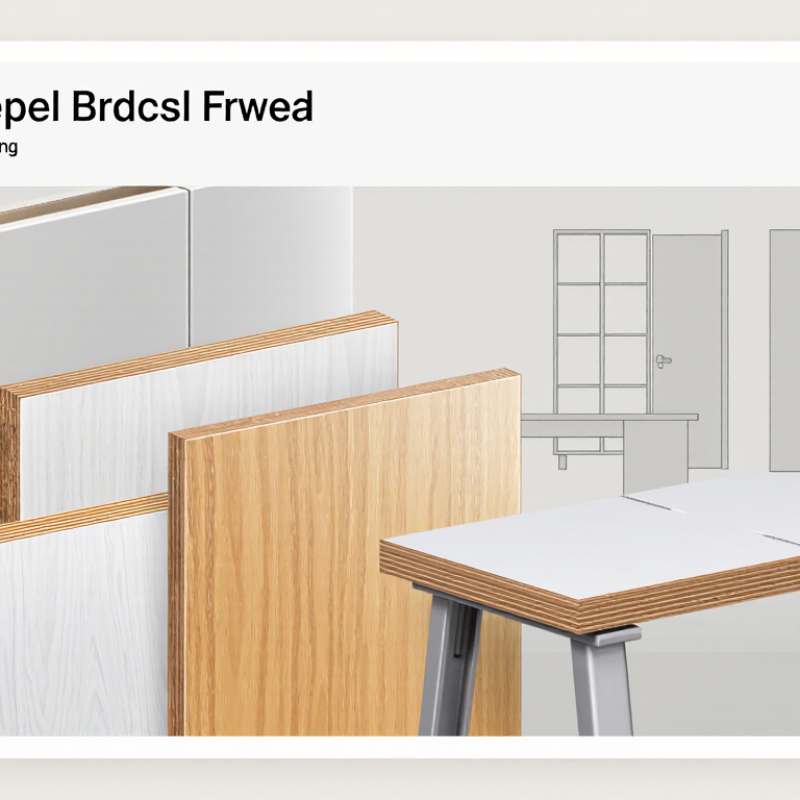
What White Birch Veneer Is: Species, Grain, and Surface
White birch veneer is a thin wood face, not a single, perfectly standardized species. In North American trade, “white birch” often refers to paper birch (Betula papyrifera), while suppliers may use the term differently by region. Ask for the botanical name when species identity matters. The USDA Forest Products Laboratory’s Wood Handbook (2021) reports specific gravity values of about 0.55 for paper birch and 0.62 for yellow birch. These figures describe solid wood, not finished veneer performance, but they show why the common name alone can be misleading.
The surface is usually pale cream to light tan, with a fine, fairly even texture and mostly straight grain. Look closely. Small mineral streaks, subtle color shifts, and occasional irregular patterns can interrupt an otherwise calm face. Rotary-cut sheets may show broader, more varied figures; sliced veneer often creates a more consistent appearance across cabinet doors or wall panels. Those are tendencies, not guarantees. The USDA handbook documents birch as a distinct wood group, but the visible result also depends on log, cut, and finishing. A clear finish can deepen the warm tones, while sanding through a thin face may expose the substrate. That detail is easy to underestimate.
How Birch Logs Become Veneer Through Slicing and Drying
White birch veneer starts with straight, sound birch logs, often selected for their pale color and fine, even grain. After the bark is removed, the wood may be conditioned with heat and moisture to soften it. A slicing machine then draws a sharp knife through the prepared log or flitch, producing thin sheets with a natural grain pattern. Each sheet is delicate. Freshly cut veneer can curl or tear if handled roughly.
Drying stabilizes the sheets before they are graded, stacked, and prepared for use. Heat and airflow remove moisture, but drying too quickly can cause splits, waviness, or uneven color. The USDA Forest Products Laboratory’s Wood Handbook reports that the fiber saturation point averages about 30% moisture content for many wood species. Below that point, moisture loss can cause wood to shrink, so careful control matters. The right final moisture level depends on the veneer’s construction and intended adhesive system; there is no single setting for every mill. That detail is easy to miss.
Tips: Store veneer flat and protected from direct sun, drafts, and sudden humidity changes. Check sheet edges for hairline cracks before pressing. Even a small split can show through a finished panel.
How Birch Veneer Grades and Typical 0.5–0.6 mm Faces Are Specified
White birch veneer is a thin layer of birch bonded to a stable core. Its pale cream color and fine, subtle grain suit cabinetry, wall panels, furniture, and interior doors. The face is often about 0.5–0.6 mm thick, though actual thickness varies by product and manufacturing process. It is a real wood surface, not a printed pattern.
Grades describe appearance, but grade names are not universal across suppliers. Check the stated grading rules and a physical sample. Higher appearance grades usually allow fewer visible knots, repairs, mineral streaks, and color shifts. Lower grades may show more natural variation. Look closely under the room’s intended lighting; a sample can seem warmer or cooler beside different finishes. A perfectly uniform panel can look oddly flat. Some variation feels more natural.
A 0.5–0.6 mm face can be suitable for many decorative applications, but it has limited sanding allowance. Avoid treating it like thick solid wood. Specify the core, face grade, grain direction, and matching method, such as book matching, on the order. Ask whether edges and backs are also veneered, since balanced construction can help reduce movement. Confirm the finished panel’s thickness and care instructions before machining. Small details matter.
What Is White Birch Veneer and What Is It Used For? — How Birch Veneer Grades and Typical 0.5–0.6 mm Faces Are Specified
| Topic | Typical description or specification | Practical use or selection guidance |
|---|---|---|
| What it is | A thin sheet of wood peeled or sliced from birch, commonly bonded to a core material to make veneered panels or surfaced components. | Provides the appearance of birch while using less solid wood than a thick solid-wood part. |
| Species and appearance | “White birch” is a trade description that may refer to different birch species depending on the market. The wood is generally pale, with a fine, relatively even texture; natural color and grain vary. | Confirm the botanical species, color range, and veneer-cut appearance when these details matter to a project. |
| Typical face thickness | Decorative birch faces are often specified at approximately 0.5–0.6 mm. Actual thickness depends on the product and manufacturing process. | State the required thickness and tolerance in the order or project specification; do not assume all birch veneer faces have the same thickness. |
| Common grade terminology | Grades may be described with letter codes or plain-language categories such as premium, select, or natural. Naming systems and acceptance criteria vary among suppliers and standards. | Use a written defect and appearance description alongside any grade code to reduce ambiguity. |
| Higher-appearance face | Usually selected for a more uniform visual effect, with tighter limits on visible knots, patches, splits, discoloration, and other natural or manufacturing features. | Often chosen for prominent cabinet fronts, furniture surfaces, and other areas viewed at close range. |
| Natural or character face | May allow more visible color variation, small knots, mineral streaks, patches, or other natural characteristics, subject to the agreed grading rules. | Can suit interiors where a less uniform, more natural wood appearance is acceptable. |
| Typical applications | Birch veneer is used on plywood and other panel products, cabinet components, furniture, shelving, doors, and interior joinery. | Choose the core panel and bonding system to match the application, including expected loading, moisture exposure, and finishing requirements. |
| Matching and layout | Veneer leaves can be arranged in patterns such as book match or slip match; color and grain consistency depend on the leaves selected and the layup. | For visible surfaces, specify the matching method, panel sequence, and acceptable variation where a coordinated appearance is required. |
| Finishing | Birch faces can be sanded and finished with suitable coatings. A thin veneer can be damaged by aggressive sanding. | Use a finish compatible with the panel and intended service conditions, and avoid removing excessive material from the face. |
| What to include in a specification | Identify species or trade description, face thickness and tolerance, grade criteria, cut or grain appearance, matching requirements, panel construction, and applicable test or compliance requirements. | Ask for a sample or agreed visual reference when color, grain, or defect limits are critical. Verify requirements with the supplier before production. |
Specification note: Veneer grade names and defect limits are not universal. A grade label alone may not define appearance consistently; confirm the applicable standard or written acceptance criteria for the product being purchased.
What Its Density of About 600 kg/m³ Means for Performance
White birch veneer is a thin layer of birch wood, sliced or peeled from a log and bonded to a stable core. It brings the pale color and fine, often subtle grain of birch to furniture, cabinet doors, wall panels, and other interior surfaces. The veneer is thin, but the wood behind its appearance has real performance characteristics.
A density of about 600 kg/m³ describes the wood, not the finished panel. It suggests a moderately substantial hardwood: heavier than many softwoods, yet manageable for common furniture and cabinetry. Density can support a firm feel and reasonably durable surface, though actual wear resistance also depends on veneer thickness, the core, and the finish. That number is useful, not a guarantee. Moisture content and the particular birch can shift it.
In practical terms, a birch-faced cabinet door can feel solid without being made entirely from solid birch. The core often contributes more to panel weight and stability than the face veneer does. Birch machines and accepts finishes well, but thin veneer can sand through quickly at corners. Take care there. Density alone does not make a panel moisture-proof, so exposed edges and damp rooms need suitable construction and protection. One detail is easy to overlook: a smooth finish can show scratches and dents more clearly than a busy grain.
What White Birch Veneer’s Density Means for Performance
White birch at about 600 kg/m³ is a moderately dense wood: it offers a useful balance of strength, hardness, and workable weight for veneer applications. Values shown are approximate and can vary with species and moisture content.
Where White Birch Veneer Is Used in Cabinets, Furniture, and Panels
White birch veneer is a thin layer of birch wood applied to a stable core, such as plywood or fiberboard. Its pale cream color and fine, sometimes gently wavy grain suit interiors that need a light, natural appearance. The surface is real wood, so grain and color can vary between sheets. That variation is part of the material, though it can make matching doors less predictable.
In cabinets, white birch veneer works well on flat door fronts, drawer faces, and visible side panels. A clear finish can preserve its light tone, while stains may deepen the color unevenly. Test the finish on an offcut first. It is a small step, but worth it. For busy kitchens, the substrate, edge treatment, and protective coating matter as much as the veneer; exposed edges can be more vulnerable to moisture and impact.
Furniture makers use it on tabletops, shelving, cabinet interiors, and desk panels, often pairing it with solid-wood edging where corners take regular knocks. Large wall or furniture panels can also show the grain across a broad, calm surface. Matching the grain direction helps the finished piece feel intentional. Still, veneer is thin. Deep sanding can cut through it, so gentle surface preparation is safer than treating it like solid lumber.