
Top Level 3 DC Fast Charger Specifications for Global Buyers?
The demand for Level 3 Dc Fast Chargers is skyrocketing as electric vehicle (EV) adoption surges globally. According to a report by the International Energy Agency, global electric car sales reached 6.6 million in 2021, up 108% from the previous year. This growth underlines the need for robust and efficient charging infrastructure, particularly Level 3 DC fast chargers, which enable rapid charging for urban and long-distance travel.
These chargers can provide up to 350 kW of power, allowing an EV to charge up to 80% in just 30 minutes. However, there is inconsistency in specifications across different manufacturers. A report from Frost & Sullivan highlighted that a significant number of Level 3 DC fast chargers in markets fail to meet ideal performance standards. This inconsistency can lead to consumer dissatisfaction and hinder the overall growth of EV adoption.
As we explore the top specifications of Level 3 DC fast chargers, it's crucial to assess their effectiveness and reliability. Understanding the nuances in each model can help buyers make informed decisions. This knowledge is essential for advancing the EV ecosystem, where finding a high-quality charger can often feel daunting amidst the growing choices.
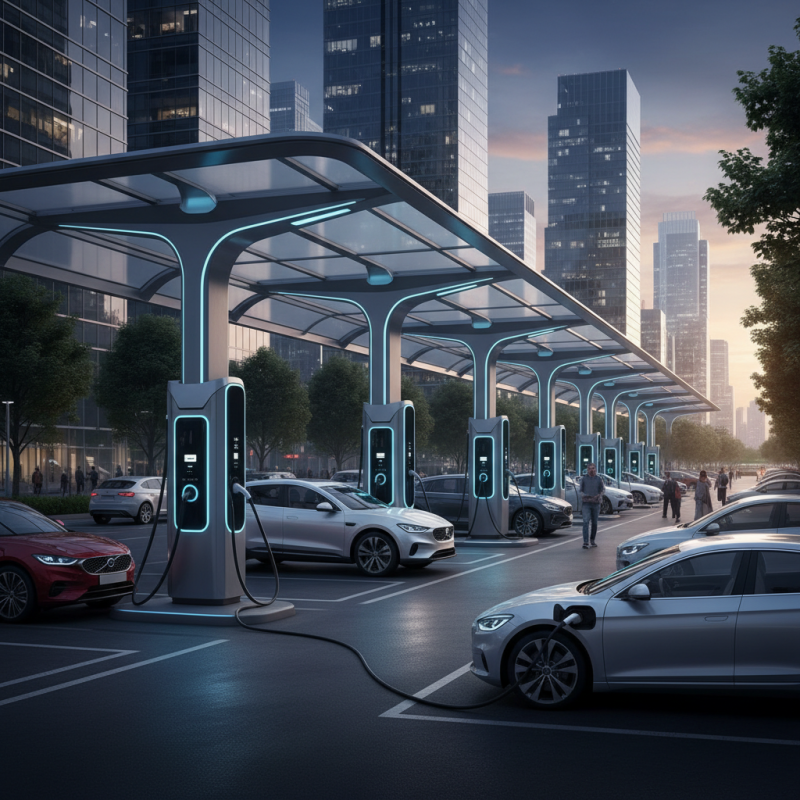
Overview of Level 3 DC Fast Chargers and Their Importance
Level 3 DC Fast Chargers are pivotal in the electric vehicle ecosystem. These chargers provide high output, allowing vehicles to gain significant battery life in a short amount of time. They are designed for public charging stations and are essential for long-distance travel. Drivers benefit from quick charging sessions, often under an hour, making EVs more practical for everyday use.
Choosing the right Level 3 charger involves understanding various specifications. It's necessary to consider power output, connector types, and charging standards. Some chargers may have limitations based on vehicle compatibility. This variance can impact how quickly a vehicle charges and how accessible the charging stations are. Evaluating these factors ensures a smoother charging experience.
Tips: When selecting a charging station, look for one with multiple connectors. This versatility can accommodate different vehicle models. Additionally, consider the location's accessibility and available power supply. These factors can significantly affect charging times and convenience. As the market evolves, staying informed about trends and technology is crucial for optimal charging solutions.
Top Level 3 DC Fast Charger Specifications for Global Buyers
| Specification | Value |
|---|---|
| Charging Power | 50 kW - 350 kW |
| Input Voltage | 380 V - 800 V |
| Charging Connector Type | CHAdeMO, CCS, Tesla |
| Efficiency | Up to 95% |
| Cooling System | Liquid-Cooled |
| Operating Temperature | -30°C to +50°C |
| Safety Standards | IEC 61851, UL 2202 |
| Dimensions (LxWxH) | 1.5 m x 0.8 m x 0.5 m |
| Weight | 150 kg |
Key Specifications for Level 3 DC Fast Chargers: Power Output and Voltage
When considering Level 3 DC fast chargers, power output and voltage are crucial. These specifications dictate how quickly electric vehicles (EVs) can charge. Most Level 3 chargers offer power output ranging from 50 kW to 350 kW. This variation impacts charging times significantly. A charger with 350 kW can theoretically charge an EV in less than an hour. However, real-world results may vary based on battery capacity and vehicle compatibility.
Voltage is another important factor. Level 3 chargers typically operate between 400V and 800V. Lower voltage chargers may suffice for certain vehicles, but higher voltage chargers provide faster charging. Still, not all EVs can handle higher voltages. Users must check their vehicle specifications. There are many options, yet not every charger fits every car. Therefore, it’s essential for buyers to do thorough research.
The industry is continuously evolving. New technologies emerge that may change these specifications. Understanding the nuances becomes critical for informed decisions. This landscape offers great opportunity, yet challenges exist. Compatibility issues and charging speeds may deter some users. Constant reflection on these specifications can foster better choices in the future.
Compatibility and Connector Types for Global Level 3 Charging Solutions
When considering Level 3 DC fast chargers, compatibility and connector types are crucial. Different regions use various standards, making the selection process vital for global buyers. Common connector types include CHAdeMO, CCS (Combined Charging System), and Tesla's proprietary connector. Each type serves different electric vehicles, creating a complex landscape.
Tip: Always check vehicle compatibility before purchasing a charger. This can save time and avoid potential frustration.
It's essential to note that not all chargers provide universal compatibility. Some may charge only specific vehicle models. This can limit options for users traveling internationally. Many factors affect charging speeds, including voltage, connector type, and vehicle capabilities.
Tip: Research regional standards to ensure you choose the right charger. Local regulations may also impact installation and use. Conduct thorough research to avoid costly mistakes.
Safety Standards and Regulations for Level 3 DC Fast Chargers
Level 3 DC fast chargers play a crucial role in advancing electric vehicle (EV) infrastructure. Understanding safety standards and regulations is essential for manufacturers and buyers. Different regions have various compliance requirements. For instance, the United States mainly follows UL standards and IEEE guidelines. Meanwhile, Europe adheres to IEC standards. Meeting these regulations ensures reliability and safety for users.
Testing protocols are also vital. Chargers must undergo rigorous safety testing. This includes assessments for electrical safety, fire hazards, and electromagnetic compatibility. Manufacturers need to maintain clear documentation. Gaps in this process can lead to dangerous situations. Regular audits and inspections can highlight areas for improvement.
While manufacturers strive for compliance, challenges persist. Some may overlook updates in safety regulations. Changes in technology can outpace standard revisions. Ongoing training for engineers is necessary. Enhancements in knowledge are vital for staying ahead. Awareness of emerging risks will lead to better safety practices in the industry.
Future Trends in Level 3 DC Fast Charging Technologies and Market Demand
As the electric vehicle market grows, Level 3 DC Fast Charging technology plays a vital role. This technology allows for rapid charging, enabling drivers to recharge their vehicles within minutes. Many countries are pushing for more charging stations to meet the rising demand. The trend indicates a shift towards higher power output and better efficiency. This shift addresses concerns about battery lifespan and charging times.
Market demand is influenced by consumer preferences for speed and convenience. Fast chargers need to be compatible with various EV models and still maintain safe operation. More manufacturers are investing in developing faster and more reliable charging solutions. However, standardization remains a challenge. Different charging types and connectors create confusion for users.
Given these advancements, the future of Level 3 DC Fast Charging looks promising yet complex. Infrastructure investment is crucial. Cities and rural areas alike must adapt to this change. Educating the public about using these chargers is equally important. Will the infrastructure keep pace with the growing technology? This poses ongoing questions for industry stakeholders. There remains room for improvement in reliability and user experience.