
Top Frequency Converter Models for Industrial Applications?
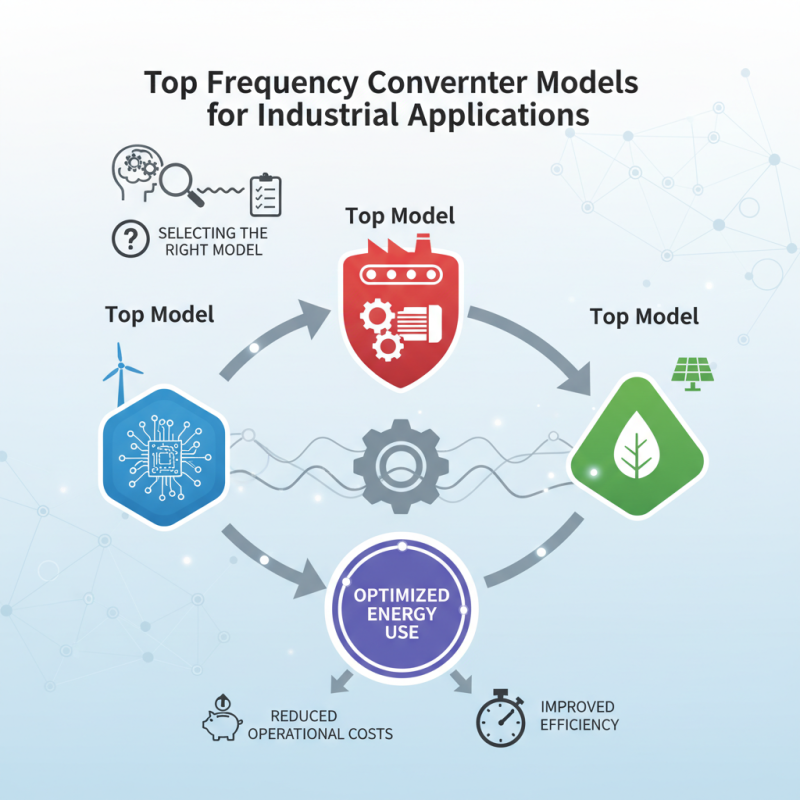
In the ever-evolving landscape of industrial applications, the use of Frequency Converters has become increasingly vital. Industry expert Dr. Emily Carter states, “Frequency Converters are essential for optimizing energy use in modern manufacturing.” This highlights their significance in improving efficiency and reducing operational costs.
Frequency Converters allow for precise speed control of electric motors. This feature plays a crucial role in various industries, from manufacturing to renewable energy. For example, they enable wind turbines to operate at optimal speeds, enhancing productivity. However, not all Frequency Converters are created equal. Organizations often struggle with selecting the right model that fits their specific operational needs.
Navigating the myriad of options can be daunting. Knowledge gaps can lead to inefficient choices, impacting overall performance. This underscores the need for informed decision-making in the selection process. Understanding the top Frequency Converter models and their features can empower industries to make better investments. Reliable insights are necessary for this crucial component of industrial machinery.
Overview of Frequency Converters in Industrial Settings
Frequency converters play a crucial role in industrial settings. They adjust input power frequency to optimize equipment performance. This adjustment is essential for various systems, including motors and pumps. By converting electrical frequency, these devices ensure equipment operates efficiently and reduces energy waste. Companies can achieve significant cost savings through improved energy usage.
Understanding the various types of frequency converters is essential for effective implementation. There are analog and digital options available. Each has its own advantages and potential drawbacks. Choosing the right model necessitates careful consideration. Factors such as load requirements and environmental conditions must be assessed.
In practice, users may encounter challenges such as overheating or harmonic distortion. Regular maintenance can mitigate these issues. However, it's common for facilities to overlook this aspect. As a result, operational efficiency can decline, leading to increased downtime. Continuous monitoring and adjustment are vital for sustaining performance.
Top Frequency Converter Models for Industrial Applications
| Model | Power Rating (kW) | Input Voltage (V) | Output Voltage (V) | Features |
|---|---|---|---|---|
| Model A | 75 | 380 | 400 | High Efficiency, Compact Design |
| Model B | 150 | 400 | 450 | Multi-Voltage, Overload Protection |
| Model C | 200 | 480 | 500 | Robust Design, User-Friendly Interface |
| Model D | 300 | 690 | 700 | Integrated Cooling, Modular Design |
| Model E | 500 | 230 | 250 | Smart Grid Compatible, High Durability |
Key Features to Consider When Choosing a Frequency Converter
When selecting a frequency converter for industrial applications, several key features must be prioritized. Efficiency is crucial; modern converters can achieve efficiency levels above 95%, reducing energy costs significantly. A report from the International Energy Agency notes that variable frequency drives can contribute to energy savings of 30% or more in certain applications. This makes it vital to assess a converter's performance metrics in real-world scenarios.
Another important aspect is the converter's control capabilities. Advanced frequency converters offer precise control over motor speed and torque. This is essential for applications requiring variable speed operation, which are increasingly common in manufacturing processes. The performance of these converters can impact productivity and equipment lifespan. A study by an industry research group highlighted that accurate control can improve overall operational efficiency by up to 25%.
Compatibility with existing systems is often overlooked. It’s essential that the frequency converter can integrate seamlessly with current machinery and control systems. This prevents costly upgrades and downtime. Moreover, ease of installation and programming should be taken into account. A complex setup can lead to frustration and increased labor costs. Integration issues may not surface immediately, but they can lead to problems later on. Evaluating these features thoroughly can help in making a well-informed decision.
Top Frequency Converter Models Used in Various Industries
When it comes to industrial applications, frequency converters play a crucial role in enhancing efficiency. Different industries utilize various frequency converter models tailored to specific needs. For example, manufacturing often relies on converters that can handle heavy loads and fluctuating power demands. These converters offer flexibility and precise control, which is vital in optimizing production lines.
In the HVAC sector, frequency converters are favored for their ability to regulate motor speed. This leads to improved energy consumption. Adjustments can be made quickly, but engineers must continuously monitor system performance. Overlooking even minor details can lead to inefficiencies.
Tips: Regular maintenance is key. Inspect connections and wiring often to avoid malfunctions. Additionally, consider the environmental conditions where the converter operates. High temperatures or humidity can affect performance.
In the renewable energy field, frequency converters are essential for integrating renewable sources into the grid. They convert variable energy into stable output. Yet, challenges remain. The technology is developing, but interoperability can be an issue. Understanding these constraints is vital for successful deployment.
Comparative Analysis of Leading Frequency Converter Brands
In the industrial landscape, frequency converters play a crucial role. They transform electrical frequency to match operational requirements. Choosing the right model can impact efficiency and costs significantly. According to recent industry data, energy savings from optimized frequency converters can reach up to 30%. This statistic underscores the importance of selecting a reliable and efficient model.
A comparative analysis shows that various brands offer distinct features. Some excel in user interfaces, while others provide robust configurations for demanding applications. The market also reports on the reliability of different models. Some converters have failure rates as low as 0.1%, while others may approach 1%. This variability suggests that thorough research is essential for companies seeking long-term stability.
It's vital to note that not all specifications predict real-world performance. Some highly rated models may underperform under specific conditions. Factors like operating temperature and load variations can affect their reliability. A detailed assessment of both features and operational demands can help avoid common pitfalls in selection. Understanding these nuances is key to making an informed decision.
Future Trends in Frequency Converter Technology for Industrial Use
The evolution of frequency converter technology is pivotal for industrial applications. Recent data suggests that the global frequency converter market will exceed USD 30 billion by 2028, driven by the growing demand for energy efficiency and automation. New designs optimize performance and integrate advanced features. These advancements allow for better control over speed and torque, particularly in complex machinery applications.
Tips: Always assess the energy consumption of your systems. Small adjustments can lead to significant savings.
Emerging trends indicate the adoption of magnetic technologies and AI-driven control systems. These innovations enhance responsiveness and reliability. Reports indicate that artificial intelligence can reduce operational downtime by up to 25%. However, some businesses may encounter integration challenges when upgrading legacy systems. Addressing these issues requires careful planning and skilled personnel to adapt to new technologies.
Tips: Regular training for your team on new technologies is essential. This ensures smooth transitions and maximizes efficiency.