Who Are the Top Centrifugal Degasser Suppliers in China?
China’s centrifugal degasser market deserves a careful comparison, not a simple ranking. A polished brochure cannot tell you how a unit performs after months of drilling-fluid exposure. Buyers should examine separation capacity, motor protection, materials, spare-parts access, and field-service response. Details matter. A vibration at the base, a delayed replacement seal, or unclear maintenance instructions can disrupt an otherwise capable system.
This article reviews leading Chinese suppliers of Centrifugal Degasser equipment and the evidence buyers can use to assess them. It considers product design, manufacturing experience, documented specifications, customization, and support after delivery. Where possible, compare like with like: ask for operating data under stated conditions, inspection records, and references from comparable applications. Supplier claims need context. A high stated capacity, for example, may not reflect performance with every fluid or installation.
A verified expert quotation was not included in the supplied material, so I will not invent one or attribute words to a named specialist. That matters for trust. The comparison instead focuses on questions that procurement teams can verify directly: What is included in the quoted package? Which components are readily replaceable? How quickly can technical support respond? No supplier is automatically the best choice. The right fit depends on operating conditions, service expectations, and the quality of evidence behind each offer.
Understanding Centrifugal Degassers and Their Industrial Uses
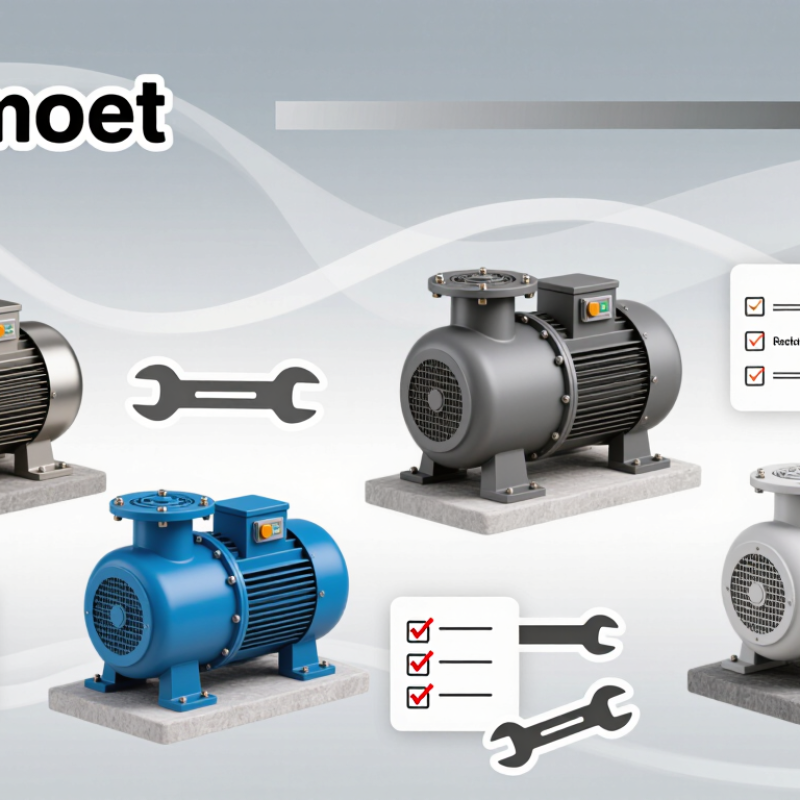
A centrifugal degasser separates free or entrained gas from a liquid by spinning the mixture at high speed. The rotating bowl pushes denser liquid outward, while lighter gas moves toward the center and exits through a vent. It is not a universal fix: dissolved gas may remain in the liquid and require another treatment method.
In drilling-fluid systems, degassers help reduce gas that can disrupt mud-pump performance or distort flow measurements. Similar equipment can serve liquid-processing lines where trapped bubbles interfere with pumping, mixing, or product consistency. Picture a steady stream entering a compact steel vessel, with separated gas discharged through a vent and treated liquid returning to the process. That detail matters.
Performance depends on the liquid’s viscosity, gas load, temperature, and flow rate. Operators should check vibration, seals, and discharge conditions during routine inspections. No separator is perfect. A unit sized for clean, low-viscosity fluid may struggle with foaming or changing feed conditions. Comparing actual process data with equipment specifications is more reliable than choosing by capacity alone.
Who Are the Top Centrifugal Degasser Suppliers in China? - Understanding Centrifugal Degassers and Their Industrial Uses
Supplier categories below are not a company ranking. Equipment design and terminology vary, so confirm that a proposed unit uses centrifugal separation and is suitable for the specific process.
| Supplier Segment | Relevant Equipment Scope | Potential Industrial Use | What to Verify |
| Oilfield drilling-fluid equipment manufacturers | Drilling-fluid gas-removal and solids-control equipment; product offerings may include Vacuum Degassers or other gas-separation designs. | Removing entrained gas from drilling mud as part of a drilling-fluid treatment system. | Ask whether the proposed model is centrifugal, vacuum-based, or another design; confirm fluid compatibility and system position. |
| Industrial process-separation equipment manufacturers | Process-specific equipment intended to separate dispersed gas from liquids; configurations depend on the process and fluid properties. | Liquid-processing duties where gas entrainment affects downstream pumping, measurement, or process stability. | Request performance data for the actual liquid, gas loading, flow conditions, and required outlet gas content. |
| Custom rotating-equipment fabricators | Engineered rotating assemblies or process skids designed around a stated separation duty. | Applications with non-standard flow conditions, installation constraints, or material requirements. | Check design calculations, materials, rotor operating limits, guarding, vibration control, and documented testing. |
| Process-system integrators | Integration of a degassing unit with pumps, piping, controls, and upstream or downstream equipment. | Plant upgrades or packaged systems requiring coordination with an existing process line. | Confirm interface limits, control philosophy, utilities, installation requirements, and responsibility for commissioning. |
| Export-oriented equipment suppliers | Equipment supply with export documentation and, depending on the supplier, installation or after-sales support. | Projects where equipment will be installed outside the supplier’s domestic market. | Verify applicable electrical and safety requirements, manuals, spare-parts availability, warranty terms, and service coverage. |
Selection note: “Centrifugal degasser” is not a universal specification. Compare suppliers using the separation principle, process-fluid data, required capacity, test results, materials, and documented operating limits rather than the product name alone.
How Centrifugal Degassers Remove Entrained Gas
A centrifugal degasser removes entrained gas by spinning liquid at high speed inside a rotating chamber. The denser liquid moves toward the outer wall, while lighter gas separates toward the center. Small bubbles can gather into larger pockets, making them easier to vent. The process happens continuously in many industrial systems. No magic involved.
Separation depends on more than rotational speed. Flow rate, liquid viscosity, temperature, and the amount of incoming gas all affect performance. If liquid passes through too quickly, bubbles may leave before they separate. A well-matched unit gives the mixture enough time in the chamber without restricting production. Operators should also check seals, vibration, and vent-line conditions during routine inspections.
For buyers comparing centrifugal degasser suppliers in China, ask how equipment is sized for the actual liquid and operating range. Request clear information about capacity, materials, maintenance access, and test conditions. A clean test result may not reflect a real process with fluctuating flow or sticky fluids. That distinction is easy to overlook. In practice, the best specification is the one that matches the plant’s measured conditions, not just a catalog figure.
Criteria for Evaluating Chinese Degasser Suppliers
When evaluating Chinese centrifugal degasser suppliers, start with the process, not the brochure. Ask whether the machine is designed for your alloy, melt volume, and furnace layout. A rotor that works well in a small test vessel may behave differently beside a production furnace. Check the stated treatment capacity against your actual batch size and cycle time.
Request technical details that can be verified: rotor material and service life, rotation-speed range, gas-flow controls, and the method used to measure hydrogen before and after treatment. Ask for a test report from comparable operating conditions, not just a headline efficiency figure. Details matter. A polished catalog is not proof. If possible, inspect a working installation or arrange a controlled trial using your own melt and sampling procedure.
Supplier quality also shows in less visible areas. Review drawings, operating instructions, maintenance intervals, and the availability of replacement rotors and seals. Ask who handles commissioning and how quickly technical support can respond. References from similar foundries can reveal practical issues, such as vibration, difficult cleaning, or inconsistent results across shifts. These checks are useful, though not perfect: reference sites may use different alloys or operator routines. Compare several suppliers against the same written requirements, and record any unanswered questions before making a decision.
Leading Centrifugal Degasser Suppliers in China
Leading Centrifugal Degasser Suppliers in China
Leading centrifugal degasser suppliers in China are best assessed by engineering fit, not brochure claims. A suitable unit should match the liquid’s viscosity, flow rate, gas load, and operating temperature. Ask how the rotor, seals, and wetted surfaces are selected for your process. Small details matter. A seal that handles clean water may not suit a viscous or abrasive stream.
Reliable suppliers should explain their design limits and provide inspection records, test procedures, and clear operating instructions. Request evidence of rotor balancing and ask how vibration is checked before shipment. If possible, review a test using conditions close to your own. Numbers help, but the test setup matters too. A polished performance chart is not proof of performance in every plant.
After-sales support is another useful measure. Check whether technicians can help with installation, troubleshooting, and replacement parts, and confirm response times in writing. A factory visit or third-party inspection may clarify how components are assembled and tested. Be cautious of unusually broad claims; a supplier may not have tested every fluid or duty cycle. Comparing several proposals against the same technical specification makes gaps easier to spot.
Comparing Supplier Products, Services, and Expertise
Choosing among centrifugal degasser suppliers in China starts with process fit, not brochure claims. Compare each supplier’s equipment against your liquid’s viscosity, solids content, temperature, and required throughput. Bowl and rotor design, sealing arrangements, and control options can affect performance and maintenance needs. Ask for test data from conditions close to yours, not just headline capacity figures. A small sample trial can reveal foaming or feed instability. That matters.
Service capability deserves equal attention. Ask whether installation guidance, operator training, commissioning, and spare parts are included, and how quickly technical support can respond. Request clear drawings, maintenance schedules, and operating records for comparable applications. A polished brochure is not proof. Check how the supplier documents inspections and quality checks, and whether key components can be replaced without extensive disassembly. These details can shape downtime costs.
Expertise is easiest to judge through specific answers. Can the engineering team explain expected gas removal and its limits for your feed? Will they discuss cleaning access, vibration monitoring, and likely wear points? Ask to speak with a technical contact, not only sales staff. Still, a factory trial rarely mirrors a full production line perfectly. Leave room for adjustment after installation, and make acceptance criteria explicit before ordering.