
Top 10 Tips for Choosing Steel Wire Mesh Fencing?
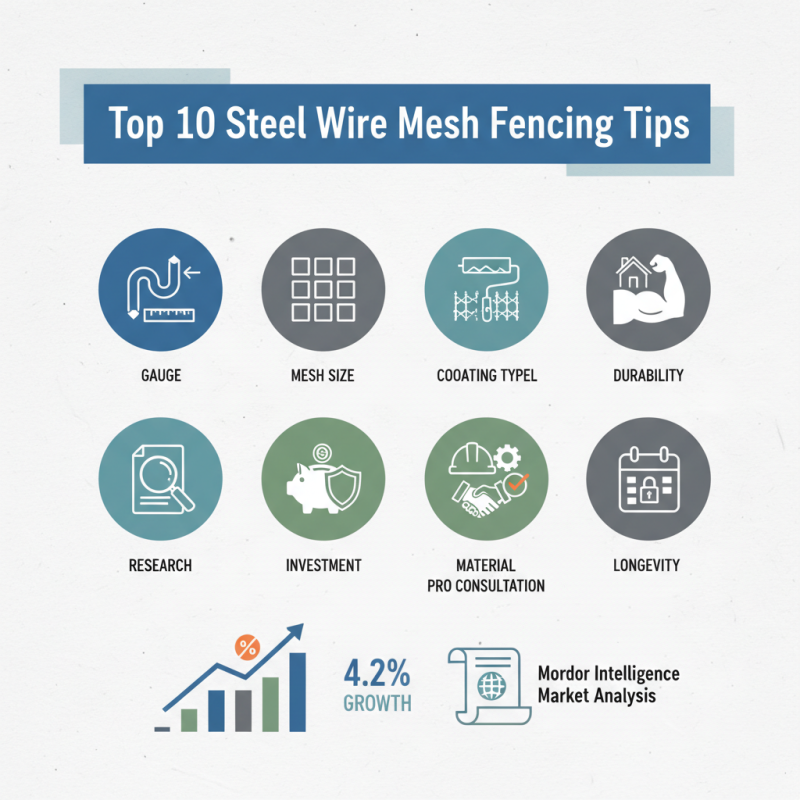
When considering steel wire mesh fencing, several factors come into play. This versatile fencing option has gained significant traction in many industries. According to a recent market analysis by Mordor Intelligence, the global wire fencing market is projected to grow by 4.2% annually. This growth reflects its rising popularity due to durability and security.
Choosing the right steel wire mesh fencing requires careful thought. Many buyers overlook essential aspects like gauge, mesh size, and coating types. For example, mesh size can drastically affect strength and visibility. A larger opening may deter some animals but might not provide sufficient security for your property.
Investing in quality fencing is critical. However, not all options deliver the same reliability. Conducting thorough research helps avoid costly mistakes. The right choice can enhance safety and longevity. Yet, this decision often leads to debate over which material best suits specific needs. Engaging with industry professionals can sometimes clarify these uncertainties.
Understanding the Different Types of Steel Wire Mesh Fencing
When selecting steel wire mesh fencing, understanding the various types available is crucial. There are welded wire mesh options, which offer durability and strength. They are often used in both residential and commercial applications. Then, there are woven wire mesh styles, known for their flexibility. This type is commonly found in agricultural settings. The choice between these types depends on your specific needs.
Consider coating options as well. Galvanized steel provides corrosion resistance, extending the lifespan of the fencing. Powder-coated finishes can also add aesthetic appeal while protecting against wear. However, color choices can fade over time under harsh sunlight.
Don’t overlook the gauge of the wire. Thicker wires offer better security but may cost more. Weaving patterns can affect visibility and light penetration, too. Some may want higher visibility, while others prefer a more solid option. Ultimately, assess your requirements, location, and intended use to make a more informed decision.
Top 10 Tips for Choosing Steel Wire Mesh Fencing
Assessing the Strength and Durability of Steel Wire Fencing Options
When selecting steel wire mesh fencing, assessing strength and durability is crucial. Steel wire fences often undergo rigorous testing. According to industry studies, a high-quality steel wire mesh can last over 30 years with proper maintenance. Factors like wire gauge, tensile strength, and coating determine durability.
Wire gauge affects how much weight the fence can bear. A thicker gauge offers greater strength. For example, a 6-gauge wire is more durable than an 11-gauge wire. However, thicker wires can be harder to install. The expected lifespan also hinges on environmental conditions. Corrosive environments can degrade steel faster, potentially leading to premature failure.
Coating matters too. Galvanized steel can resist rust better than bare steel. The process includes zinc coating, which improves longevity. Industry data indicates galvanized steel can extend life by up to 50%. However, not all coatings are equal. Some may wear off due to weather or UV exposure, undermining their effectiveness. Always analyze your specific needs and conditions before deciding. Don't overlook these details; they can make or break your fencing choice.
Evaluating the Cost Factors of Steel Wire Mesh Fencing
When considering steel wire mesh fencing, evaluating cost factors is crucial. Prices can vary significantly based on various elements. For instance, the type of steel used can influence durability and, ultimately, the cost. Galvanized options generally last longer, though they may require a larger initial investment.
Installation costs are another major aspect. Hiring professionals can add to your budget, but DIY may save money. Yet, consider the tools required. Inexperienced installers may face challenges, leading to unexpected expenses. The size and height of the fence also play roles. Larger areas naturally require more materials, and that drives up costs.
Maintenance is a hidden factor. Regular upkeep can prevent deterioration. If not maintained, rust can develop, leading to additional repairs. Lastly, be aware of local regulations. Permits or restrictions might affect your overall budget. Recognizing all these factors can lead to a more informed decision. Fencing should be both functional and cost-effective, so weigh your options carefully.
Top 10 Tips for Choosing Steel Wire Mesh Fencing - Evaluating the Cost Factors
| Tip | Consideration | Estimated Cost (per linear foot) |
|---|---|---|
| 1. Assess your needs | Determine purpose (security, garden, etc.) | $5 - $15 |
| 2. Gauge the wire thickness | Choose based on strength requirements | $10 - $20 |
| 3. Choose the right coating | Galvanized vs. PVC coatings | $7 - $18 |
| 4. Evaluate local regulations | Check zoning laws and HOA rules | N/A |
| 5. Consider installation methods | DIY vs. professional installation | $2 - $10 for DIY; $15 - $30 for professional |
| 6. Check for rust resistance | Long-term durability against elements | Varies with coating |
| 7. Analyze design options | Stock vs. custom designs | $10 - $25 for custom |
| 8. Look into warranties | Manufacturer's warranty offerings | N/A |
| 9. Compare suppliers | Get multiple quotes for best pricing | Varies |
| 10. Plan for maintenance | Regular checks and upkeep | $50 - $100 per year |
Selecting the Right Gauge and Wire Spacing for Your Needs
When selecting steel wire mesh fencing, gauge and wire spacing are critical factors. The gauge refers to the thickness of the wire. A lower gauge number indicates a thicker wire. For example, a 6-gauge wire is stronger than an 11-gauge wire. In high-stress environments, opting for a lower gauge ensures durability. Reports indicate that fences constructed with a 6-gauge wire last significantly longer than those made with thinner wire.
Wire spacing is equally important. It determines how secure your fencing will be. Typical spacing ranges from 1 to 4 inches. For smaller animals, a tighter spacing is essential. This prevents escapes and keeps out smaller predators. A study shows that fences with 2-inch spacing reduce animal intrusion by nearly 80%. If you're unsure, observe your needs before finalizing the spacing.
Choose the right combination based on your environment. For instance, if you live in an area prone to severe weather, stronger wires and tighter spacing will help. However, balancing cost and functionality can be challenging. Reflecting on your local wildlife and conditions might lead to better choices. Test different configurations to see what works best for your needs.
Considering Aesthetic and Functional Design Options for Fencing
When choosing steel wire mesh fencing, it's crucial to consider both aesthetics and functionality. A well-designed fence can enhance the visual appeal of your property. It can also serve practical purposes. According to a recent study, nearly 50% of homeowners prefer fencing that complements their landscape. This highlights the need for thoughtful design choices.
Tip one: Think about your environment. The material should blend with your home and garden. If you live in a lush area, go for a green or brown finish. If your surroundings are urban, gray or metallic tones might work better. The right color makes a big difference.
Tip two: Focus on durability as well. Steel wire mesh is strong but varies in quality. Research shows that stainless steel mesh can last over 30 years with proper maintenance. Some options rust sooner than you'd expect. This aspect could lead to higher costs if you need to replace it frequently.
Lastly, ensure your fence meets local regulations while reflecting your style. Many homeowners overlook this step. Customizing the height and layout can create a unique boundary while conforming to local rules. These design elements strike a balance between beauty and necessity.