
Top 10 Uses of Synthetic Mica Powder in Cosmetics and Industry?

synthetic mica powder has gained immense popularity in the cosmetics and industrial sectors. This versatile material offers unique properties that enhance products significantly. From cosmetics to paints, synthetic mica powder plays a vital role in various applications.

In cosmetics, it provides a shimmery finish to makeup. It helps in achieving that perfect glow, making products more appealing. Moreover, synthetic mica powder is non-toxic and safe for skin. This feature allows for its widespread use in beauty products.

In the industrial realm, synthetic mica powder is crucial for creating durable paints and coatings. It improves texture and enhances the longevity of products. However, the sourcing and production methods pose challenges. These factors require us to reflect on sustainability. Ultimately, synthetic mica powder represents both innovation and the need for responsible practices.
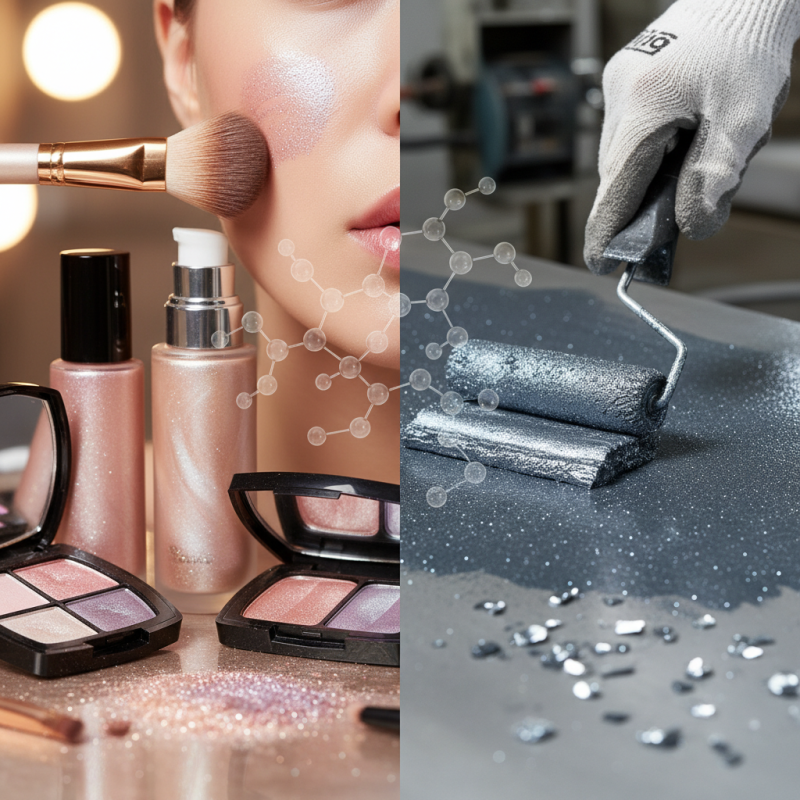
Top 10 Uses of Synthetic Mica Powder in Cosmetics and Industry?

Applications of Synthetic Mica Powder in Cosmetic Products

Synthetic mica powder finds extensive applications in cosmetics. It is renowned for adding shimmer and shine to various products. Makeup artists often use it in eye shadows and highlighters to create a luminous effect. Its light-reflecting properties enhance the overall appearance, making skin look radiant.

In addition to eye cosmetics, synthetic mica is commonly used in foundations and powders. It provides a soft-focus effect, helping to blur imperfections. Many formulations rely on its silky texture to improve spreadability. This allows products to glide smoothly over the skin. However, the quality of mica can vary. Some cheaper products may lack the desired shimmer or texture.

Tips: Choose products with a high percentage of synthetic mica for better results. Always check the label to ensure quality. Keep in mind that not all mica is created equal; some might be too dull for your needs.

Role of Synthetic Mica Powder in Skin Care Formulations

Synthetic mica powder has increasingly become a favorite in skin care formulations. Its unique properties offer light-reflecting effects and a smooth texture. According to recent industry reports, the global market for synthetic mica is projected to grow at a CAGR of 6.7% between 2023 and 2028. This growth is driven by its versatility in various formulations.

In skin care products, synthetic mica acts as a natural stabilizer and thickener. It improves the spreadability of creams and lotions, making them feel luxurious. Moreover, synthetic mica provides a soft-focus effect, blurring imperfections on the skin. A report from the Journal of Cosmetic Science highlights its effectiveness in enhancing product performance while maintaining a safe profile for consumers.

However, not all synthetic mica is created equal. Some formulations may lack the purity required for optimal performance. Impurities can cause inconsistencies in texture and effectiveness. Additionally, the sourcing and processing of synthetic mica must align with ethical practices to meet consumer expectations. Red flags in production can lead to distrust among consumers. It's essential to reflect on these aspects, ensuring that the benefits truly outweigh the drawbacks.

Benefits of Synthetic Mica Powder in Makeup and Color Cosmetics

Synthetic mica powder has become a popular ingredient in the beauty industry. This fine powder enhances the texture and appearance of makeup products. It provides a soft focus effect, making skin look smoother and more radiant. When applied, synthetic mica reflects light beautifully. This feature helps create that coveted glow without excessive shimmer.

In color cosmetics, synthetic mica is essential. It offers a range of shades and finishes. Makeup artists appreciate its versatility. However, it's worth noting that not all synthetic mica is created equal. Some formulations may cause skin irritation for sensitive individuals. Testing for compatibility is crucial. While many enjoy the aesthetic benefits, others might experience a range of reactions.

Beyond cosmetics, synthetic mica also finds uses in industrial applications. It is valued for its thermal properties and stability. Industries use it in paints and coatings for durability. However, these uses come with environmental considerations. The sourcing and production processes require careful management to avoid ecological harm. Awareness of these aspects can inspire the industry to seek sustainable solutions.

Industrial Uses of Synthetic Mica Powder in Non-Cosmetic Products

Synthetic mica powder has various industrial applications beyond cosmetics. In construction, it is used in paints and coatings. Its reflective properties enhance the aesthetic appeal of surfaces. Moreover, it can improve durability and resistance to wear. This makes it a sought-after ingredient in many building materials.

In the electronics industry, synthetic mica serves as an insulator. It helps prevent overheating in electrical devices. This powder is also found in adhesives and sealants. Its fine particle size contributes to better bonding and flexibility. However, sourcing high-quality synthetic mica remains a challenge. Quality control is often an afterthought in production processes. Manufacturers need to prioritize this to ensure consistent performance.

In the automotive sector, synthetic mica is used in plastics and composites. It provides strength and stability to lightweight materials. These materials are essential for fuel efficiency. Yet, the environmental impact of mica production is a concern. The focus should shift towards sustainable practices in extraction and usage. Balancing functionality with eco-friendliness requires ongoing effort and innovation.

Top 10 Uses of Synthetic Mica Powder in Cosmetics and Industry

Use Case Application Benefits
Cosmetics Face Powders Provides a silky feel and enhances adherence to skin.
Cosmetics Eyeshadows Improves blendability and offers shimmer effects.
Cosmetics Foundations Enhances coverage and controls oil.
Cosmetics Lip Products Adds a pearlescent finish and soft texture.
Cosmetics Nail Polishes Increases durability and provides shine.
Non-Cosmetic Paints and Coatings Improves adhesion and durability.
Non-Cosmetic Plastics Enhances strength and reduces wear.
Non-Cosmetic Ceramics Improves thermal stability and finish quality.
Non-Cosmetic Electronics Used for insulation and thermal protection.
Non-Cosmetic Glass Enhances strength and improves clarity.

Environmental and Safety Considerations of Synthetic Mica Powder Use

The use of synthetic mica powder in cosmetics and industry has gained traction. However, environmental and safety considerations are crucial. Synthetic mica is often marketed as a safer alternative to natural mica, which is associated with ethical issues like child labor and unsafe mining conditions. In fact, a report from the Guardian indicated that up to 20% of natural mica can be sourced from conflict zones.

Synthetic mica production also requires careful assessment. Reports estimate that the manufacturing process can produce significant amounts of industrial waste. This raises concerns about potential pollution and resource depletion. Critics argue that companies must address these environmental impacts instead of focusing solely on the cosmetic benefits.

Safety is another important aspect. While synthetic mica is generally considered safer than its natural counterpart, it's essential to evaluate potential health risks. Some studies indicate that inhalation of mica powder can cause respiratory issues. Regulations surrounding its use need to be strictly enforced to ensure worker and consumer safety. The industry faces a responsibility to establish sustainable practices addressing these concerns and not merely market synthetic mica as a risk-free substitute.