
What is Red Light Therapy and How Does It Work?

Red Light Therapy is gaining popularity in wellness circles. This therapeutic method uses low-wavelength red light for various health benefits. Many claim it aids in skin rejuvenation, pain relief, and even hair growth.

Research shows that Red Light Therapy penetrates the skin, stimulating cellular activity. Users often report improved mood and energy levels. A study indicated noticeable changes in skin clarity after consistent use. However, results can vary significantly between individuals.

While some enthusiasts swear by its efficacy, skepticism exists. Are the benefits as profound as claimed? More research is needed to understand fully. To achieve the best outcomes, one must approach Red Light Therapy with realistic expectations.
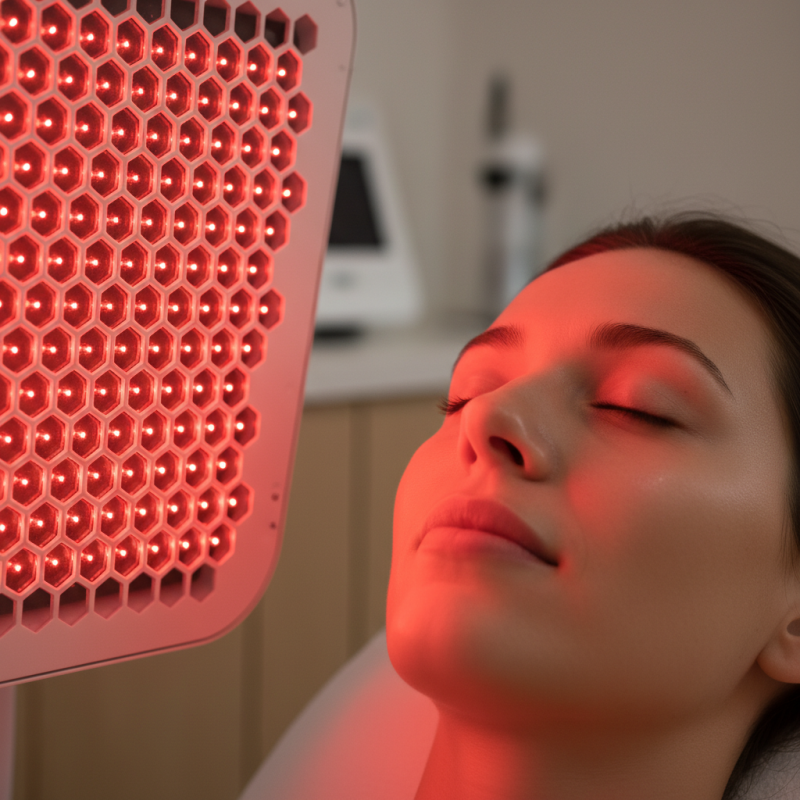
What is Red Light Therapy and How Does It Work?

What is Red Light Therapy?

Red light therapy (RLT) is gaining attention in wellness and medical communities. This treatment involves exposing the skin to low levels of red and near-infrared light. Researchers found that RLT can stimulate cellular function and promote healing. In fact, a 2018 study published in the journal Photomedicine and Laser Surgery noted that RLT significantly improved wound healing in patients.


The science behind red light therapy centers on its effect on mitochondria. These cell organelles produce adenosine triphosphate (ATP), which fuels cellular activity. A study from the National Institutes of Health indicated that RLT increased ATP production by up to 200%. However, while many users report improvements in skin tone and reduced inflammation, results can vary widely. Some individuals may see no benefits at all.


RLT is relatively safe, but it is essential to approach it with realistic expectations. Understanding individual response to therapy is crucial. Factors like skin type, treatment duration, and device quality can all play roles. The lack of uniformity in outcomes raises questions about its effectiveness for everyone. More studies are needed to establish standardized protocols and better understand who will benefit most from red light therapy.

Historical Background of Red Light Therapy

Red light therapy has an interesting historical background. It dates back to the early 20th century when scientists began exploring the effects of light on human health. Researchers discovered that certain wavelengths of light could stimulate cellular processes. This led to early experiments in medicine, mainly focusing on wound healing and tissue repair.

In the 1990s, interest surged as studies showed the benefits of red light for skin and muscle recovery. This period saw the connection between light exposure and increased collagen production becoming clearer. As athletes and wellness enthusiasts learned about its potential, red light therapy became more popular. Some questioned the scientific rigor behind early claims. Critics argued that more research was needed.

Despite skepticism, clinicians and researchers continued exploring red light therapy’s benefits. Today, its applications range from cosmetic procedures to pain management. However, even now, the full scope of its effects remains under investigation. Many professionals urge caution and encourage further studies to validate the results. The journey of red light therapy is complex and still unfolding.

How Red Light Therapy Works on a Cellular Level

Red light therapy is gaining attention for its potential benefits in various health areas. At a cellular level, this therapy enhances mitochondrial function. Mitochondria are the energy powerhouses of our cells. Improved mitochondrial efficiency leads to increased ATP (adenosine triphosphate) production. More ATP means more energy for cellular processes.


When cells receive red light, they absorb it at specific wavelengths. This absorption stimulates biological responses. For example, it can reduce inflammation and promote healing. Cells can become more efficient in repairing themselves. However, results can vary from person to person. Some may experience significant benefits, while others may notice little change.


The impact of red light therapy is still not fully understood. Research is ongoing, and the science is complex. There may be factors affecting how individuals respond to the treatment. Variables include skin type, age, and overall health. These inconsistencies leave room for further exploration and knowledge. It’s essential to approach this therapy with an open mind while considering its limitations and potential.

Benefits of Red Light Therapy for Skin and Health

Red light therapy (RLT) has gained attention for its potential benefits for skin and overall health. Research shows it can aid in healing skin conditions like acne and psoriasis. A study published in the *Journal of Clinical and Aesthetic Dermatology* highlights that 70% of participants reported improved skin texture after several RLT sessions. These findings suggest RLT might be an effective option for those seeking healthier skin.

Moreover, red light therapy can enhance collagen production. According to a report by the National Institutes of Health, increased collagen can lead to reduced wrinkles, making skin appear younger. Another study suggests that it may accelerate wound healing, with patients healing up to 20% faster than those who did not use RLT. The light penetrates the skin deeply, stimulating cellular activity.

Tips: If you're considering RLT, start with sessions of 10-20 minutes. Pay attention to your skin's response. Not everyone experiences the same results. Monitoring progress is essential. Remember to consult a healthcare professional before starting. This ensures you understand any personal limitations or needs.

Common Applications and Uses of Red Light Therapy

Red light therapy (RLT) has gained attention for its potential benefits across various fields. Studies suggest that RLT may enhance wound healing, reduce inflammation, and relieve pain. One study published in the Journal of Photochemistry and Photobiology reported a 40% increase in cellular energy production in just a few minutes of exposure to red light. This effect can accelerate recovery from injuries.

In dermatology, RLT is commonly used to treat acne and improve skin health. The therapy stimulates collagen production, leading to smoother skin texture. Research indicates that 70% of participants in a dermatological study noticed a reduction in fine lines after several weeks of treatment. However, the results can vary significantly among individuals. Some may see minimal improvement or require longer treatment sessions.

Athletes are also exploring red light therapy for performance enhancement. A report from the Journal of Athletic Training highlighted its use in muscle recovery. Participants experienced a noticeable decrease in muscle soreness after RLT sessions. Still, skepticism remains. Not every athlete experiences the same benefits, and consistent protocols are yet to be established. The variability in outcomes prompts further research to optimize usage.