
How to Identify and Use Muscovite Mica in Projects?
muscovite mica is an essential mineral widely used in various projects. Its unique properties make it valuable in industries like construction, electronics, and cosmetics. According to a market research report, the global mica market was valued at approximately $800 million in 2022, with muscovite mica accounting for a significant share due to its versatility.
Identifying muscovite mica can be challenging. Its appearance often resembles other mica varieties. A successful project hinges on using high-quality muscovite mica. Inaccurate identification can lead to suboptimal results, causing potential project setbacks. Studies show proper use of muscovite mica improves product performance, making it a sought-after material.
Working with muscovite mica requires careful consideration. Despite its benefits, challenges remain. Availability can fluctuate, impacting project timelines. Environmental concerns regarding mica extraction also raise questions. Addressing these issues is vital for sustainable practices in the mica industry. Emphasizing responsible sourcing can enhance project integrity while benefiting communities involved in production.
Understanding Muscovite Mica: Properties and Characteristics
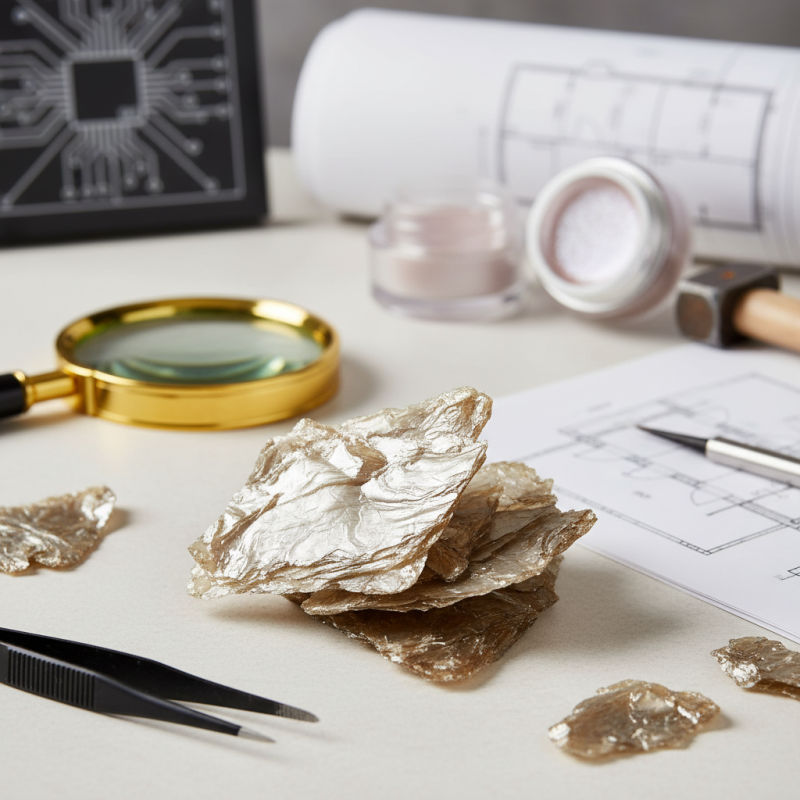
Muscovite mica is a fascinating mineral known for its distinct characteristics. It has a silvery or golden sheen, making it visually appealing. This mineral is a form of sheet silicate, which gives it unique layered structures. When you look closely, you'll notice its excellent transparency and ability to split into thin sheets. These qualities make it useful in various applications.
One key aspect of muscovite mica is its chemical stability. It resists heat and moisture, which allows it to endure harsh conditions. This property is valuable for construction and insulation projects. However, working with it can be tricky. Extracting thin sheets without breaking them requires skill. Many artists and DIY enthusiasts struggle with this process. Still, the effort can lead to stunning results in crafts and decor.
Additionally, muscovite mica's ability to reflect light can enhance projects. Its sparkly effect catches the eye and adds sophistication. Yet, it’s easy to overdo it. A subtle touch usually works best. Too much can overwhelm the design. Understanding how to balance its use is crucial for success.
Sources of Muscovite Mica: Where to Find It
Muscovite mica is a versatile mineral used in various projects. Knowing where to find it can enhance your work significantly. This mineral is primarily located in granite deposits. Regions in the United States, such as South Dakota and North Carolina, are rich in muscovite. Globally, significant sources include Russia and India, where large quantities are mined.
When searching for muscovite mica, consider visiting geological sites or mineral shows. Local rock shops may also carry specimens. Online marketplaces might offer pieces, although verify their authenticity before purchasing. According to industry reports, the mica market is expected to grow steadily, reaching a valuation of approximately $1.5 billion by 2025. This indicates a rising interest in the mineral.
Tips: Always check the texture and color before using mica. It should have a shiny appearance and be free of impurities. Be mindful of the environmental impact of mica mining. Some practices can be harmful to local ecosystems, so seek sustainable sources. Embrace imperfections in your projects. Sometimes, a rough edge adds character and uniqueness.
Techniques for Identifying Quality Muscovite Mica
Identifying quality Muscovite mica is crucial for various projects. This mineral is widely used in construction, electronics, and cosmetics. Quality assessment begins with visual inspection. Look for clear, transparent sheets that exhibit a glossy surface. Impurities often lead to a dull appearance, which diminishes its value.
The size and thickness of mica sheets also matter. High-quality Muscovite has large and well-defined sheets. Reports indicate that mica deposits in India and Brazil yield the best quality. They provide sheets that are often 0.5 mm thick or more. Testing for flexibility is another method. Good Muscovite can bend without breaking, maintaining its structure effectively.
Another important technique involves chemical analysis. A spectral analysis can determine the purity of Muscovite. It helps identify the percentage of unwanted elements. For many applications, a purity level of over 90% is ideal. Such precise measurements contribute to superior performance in end products. Misidentifying or using lower quality mica may lead to subpar results in projects and potential customer dissatisfaction.
Practical Applications of Muscovite Mica in Projects
Muscovite mica is widely used in various projects due to its unique properties. It has a high dielectric strength, making it ideal for electrical applications. According to a market research report, the global mica market is expected to grow at a CAGR of 6.5% from 2021 to 2026. This indicates a strong demand for muscovite mica in industries like electronics.
In construction, muscovite mica enhances durability and provides thermal insulation. It is often included in paints, coatings, and sealants. The reflective quality of muscovite mica also improves the aesthetic appeal of decorative items. However, sourcing high-quality muscovite can be challenging. There are inconsistencies in quality from various suppliers. This can lead to projects using subpar materials, affecting performance and longevity.
The cosmetics industry also benefits from muscovite mica. It adds shimmer to products while allowing moisture retention. Reports suggest that the demand for natural minerals in cosmetics is rising. Yet, companies must ensure responsible sourcing to avoid ethical issues. Research shows that transparency in supply chains increases consumer trust. By addressing these challenges, the full potential of muscovite mica in projects can be realized.
Practical Applications of Muscovite Mica in Projects
Safety Considerations When Working with Muscovite Mica
When working with muscovite mica, safety should be a top priority. This mineral is often used in insulation and cosmetics. However, it can produce fine dust that irritates the respiratory system. According to a report by the Occupational Safety and Health Administration (OSHA), exposure to silica can lead to serious health issues. Therefore, wearing a proper mask is essential when handling this material.
Tips: Always ensure adequate ventilation in your workspace to minimize dust accumulation. Regularly clean the area to prevent build-up.
Additionally, skin contact with muscovite can cause irritation for some people. Protective gloves and long sleeves are advisable. In one study, it was highlighted that 15% of workers experienced skin reactions when handling mica. Checking for allergies before starting a project may be wise.
Tips: Perform a patch test on a small area of skin to check for any adverse reactions. Don’t underestimate the importance of personal protective equipment. Pay attention to your body's responses.
How to Identify and Use Muscovite Mica in Projects? - Safety Considerations When Working with Muscovite Mica
| Property | Description | Safety Considerations |
|---|---|---|
| Color | Typically clear to light brown | Ensure proper dust control to avoid inhalation |
| Mica Structure | Layered crystalline structure | Wear protective gear when handling to prevent skin irritation |
| Typical Uses | Cosmetics, electrical insulators, construction materials | Follow local regulations for disposal and use |
| Natural Sources | Found in granitic and metamorphic rocks | Consider alternatives to mining where possible |
| Health Risks | Dust exposure can lead to respiratory issues | Use masks and ventilated areas during use |