
How to Treat Calcium Nitrate Wastewater Effectively?
Calcium Nitrate Wastewater Treatment is critical for environmental protection. This type of wastewater often results from agricultural practices and industrial activities. Improper disposal can lead to severe water pollution and affect aquatic life.
Effective treatment methods are essential. These methods must minimize the impact on the environment. Techniques such as biological treatment and reverse osmosis can be considered. Nevertheless, they may require significant resources and investments. There are challenges in ensuring the efficiency of these processes.
Additionally, technology continues to evolve in this field. Innovations are emerging but not all are feasible for all situations. Some solutions might fall short of expectations, making a robust analysis vital. Understanding the limitations of proposed treatments is crucial for sustainable development.
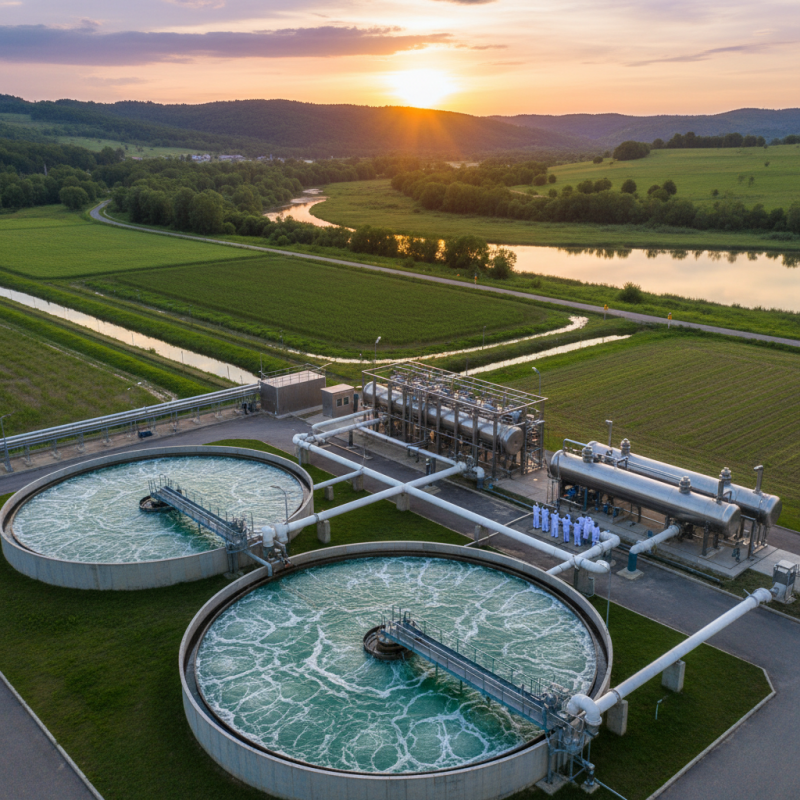
Overview of Calcium Nitrate Wastewater Characteristics
Calcium nitrate wastewater is a byproduct of various industrial processes. It contains significant amounts of nutrients, particularly nitrogen and calcium. These substances can lead to environmental problems if released untreated. High nitrogen levels can promote algal blooms in waterways, disrupting local ecosystems. Understanding its characteristics is key to managing it effectively.
This wastewater is often alkaline, with a pH typically ranging from 6 to 9. The presence of calcium helps stabilize the pH but can also cause scaling in pipes during treatment. Thermal and biological treatments may not work as effectively due to these challenges. Addressing these issues requires innovative solutions.
Tips: Consider using specialized filtration methods. Regular monitoring can identify fluctuations in composition. Solutions like reverse osmosis show promise in treating calcium nitrate effectively. Don't forget to evaluate your treatment process continuously; adjustments may be needed over time.
Common Sources and Applications of Calcium Nitrate
Calcium nitrate is widely used in agriculture as a fertilizer. Its role is crucial for plant growth. It provides essential nutrients like calcium and nitrogen. These nutrients help improve crop yields. Farmers rely on it for healthier plants. However, the use of calcium nitrate leads to wastewater issues.
Industrial processes also generate calcium nitrate. These include food processing and chemical production. Wastewater from these processes can be harmful. Yet, effective treatment methods can help. Simple techniques, such as filtration, can reduce contaminants. Advanced methods, like reverse osmosis, offer even better results. However, these treatments can be costly and may not always be feasible.
There's a growing need to address wastewater concerns. Addressing calcium nitrate waste requires collaboration. Industries must work together with environmental agencies. Educating workers and farmers is equally important. Many still lack awareness about proper disposal methods. Overall, the challenge remains significant, but solutions exist.
Impact of Calcium Nitrate Wastewater on the Environment
Calcium nitrate wastewater poses significant risks to the environment. According to the U.S. Environmental Protection Agency, high levels of nitrates can lead to water eutrophication. This process depletes oxygen in aquatic habitats and threatens marine life.
Data indicates that over 50% of freshwater bodies in agricultural regions are affected by nutrient pollution. Excess calcium nitrate reduces biodiversity. Fish and plants struggle to survive in low-oxygen environments. Communities near contaminated water sources face health risks too. Infants are particularly vulnerable to high nitrate levels.
Ineffective treatment options exacerbate these issues. Many methods fail to eliminate all harmful substances. Some facilities report that over 30% of calcium nitrate remains untreated. Increased awareness and better management strategies are crucial for improvement. Sustainable practices must be prioritized. These actions could lead to healthier ecosystems and community well-being.
Effective Treatment Methods for Calcium Nitrate Wastewater
Calcium nitrate wastewater poses significant environmental challenges. Effective treatment methods are vital for sustainable management. One notable method is biological denitrification. This process uses microorganisms to convert nitrates into nitrogen gas. It requires specific conditions to thrive. Inadequate conditions can lead to ineffective treatment.
Another approach is physical-chemical treatment. This method involves coagulation and sedimentation to remove solids. Adding coagulants helps in clumping particles together. However, not all coagulants work equally well. Experimentation is often necessary to find the right balance. The risk of generating additional waste also exists.
Membrane filtration is gaining attention. It can efficiently separate contaminants from water. Yet, maintaining membrane integrity is crucial. Fouling can reduce efficiency and increase costs. Operators need to monitor closely. Each of these methods has its strengths and weaknesses. Continuous improvement and innovation are essential in wastewater management.
Regulatory Standards and Compliance for Treatment Processes
Calcium nitrate wastewater poses unique challenges, especially in meeting regulatory standards. Compliance with these standards is crucial for protecting water quality. The treatment process must effectively reduce calcium and nitrate levels. Local environmental agencies set specific concentration limits for discharge. Failure to meet these can lead to fines and operational shutdowns.
It’s essential to regularly assess treatment methods. Some technologies are more efficient than others. For instance, biological treatment can be effective but may take longer. Some facilities struggle with achieving consistent results. They must adapt to fluctuating wastewater characteristics, which can complicate compliance.
Monitoring is not just a formality; it ensures safety and legal adherence. Keeping accurate records is vital. Facilities may find they need to change processes unexpectedly. This kind of adaptability can be challenging. Yet, it remains essential for ongoing compliance and environmental stewardship. Facilities must balance efficiency with the need for regulatory adherence.