Damper Actuator Types and Best Applications Explained?
In today's rapidly evolving HVAC industry, understanding the diverse types of Damper Actuators is crucial. According to a report by MarketsandMarkets, the global actuator market is projected to reach $50 billion by 2025. This growth emphasizes the importance of choosing the right actuators for specific applications. Industry expert John Smith, a well-respected figure in thermal management systems, stated, "The choice of Damper Actuator can significantly affect system efficiency and performance."
Not all Damper Actuators are created equal. Some excel in commercial settings, while others are better suited for residential applications. For example, electric actuators offer precision control in complex setups, whereas pneumatic actuators are preferred for their simplicity and cost-effectiveness. However, many professionals overlook these distinctions, leading to inefficiencies.
A common misunderstanding is that all Damper Actuators can perform equally across different environments. This is not the case. Detailed knowledge of their specifications is essential. Each type has unique strengths and weaknesses, and selecting the wrong actuator can lead to subpar system operation. Understanding these factors is vital for achieving optimal results in HVAC systems.
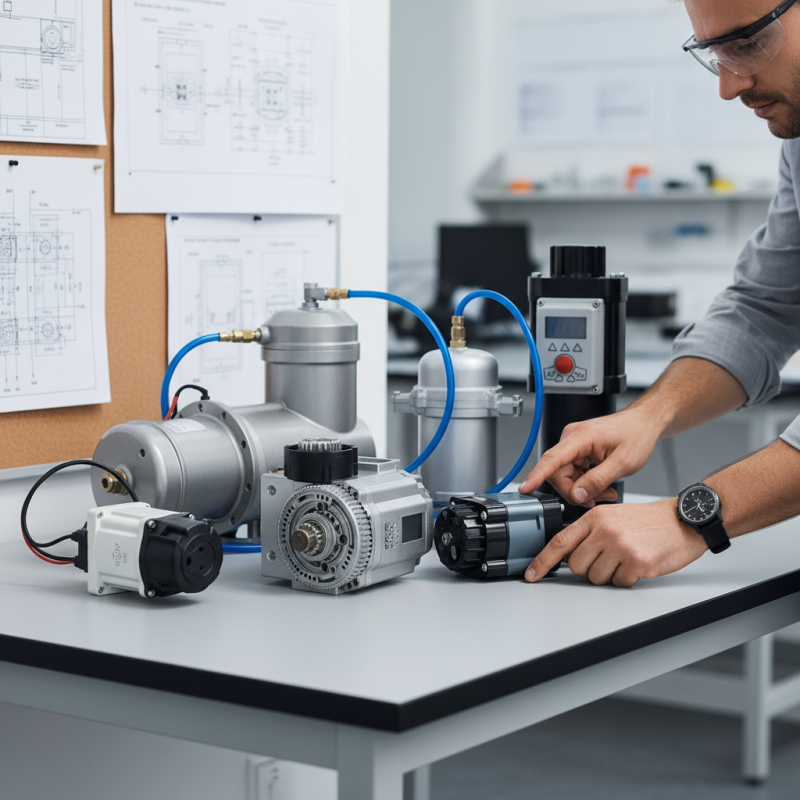
Types of Damper Actuators: A Comprehensive Overview
When looking at damper actuator types, it’s essential to understand how they function. Damper actuators control airflow and are crucial in HVAC systems. There are several types, including electric, pneumatic, and hydraulic actuators. Each type has unique features tailored for specific applications.
Electric actuators are popular due to their precision and easy installation. They're commonly used in residential settings. Pneumatic actuators rely on compressed air and are effective in larger industrial setups. However, they can be more complex to maintain. Hydraulic actuators, while powerful, may not be suitable for all environments due to leakage risks.
Tips: Always assess your specific needs before choosing an actuator. Consider the installation environment and potential maintenance issues. Think about how often you’ll need to adjust the airflow.
Choosing the right actuator type can enhance efficiency. However, many users overlook the importance of compatibility with existing systems. It’s wise to review your current setup and determine which actuator best fits.
Tips: Regularly check your actuators for performance. Small adjustments can lead to significant efficiency gains. Don't hesitate to consult with a professional if in doubt.
Electric vs. Pneumatic Damper Actuators: Key Differences Explained
When it comes to damper actuators, two main types dominate the market: electric and pneumatic. Electric damper actuators are favored for their precision and ease of control. They can be programmed to adjust based on real-time data. This feature allows for better energy efficiency in HVAC systems. They operate quietly and have a compact design, making them suitable for residential applications. However, they might not perform well in extreme temperatures.
Pneumatic damper actuators use compressed air to function. They are robust and can handle higher loading conditions. These actuators respond quickly, which is essential in industrial settings. However, they require a consistent air supply, which sometimes leads to maintenance challenges. Additionally, they can be noisier than electric options. The choice between these actuators often depends on the specific application. Consider factors like environment and load requirements. Each type has its strengths and weaknesses. It's crucial to evaluate them carefully.
Common Applications for Damper Actuators in HVAC Systems
Damper actuators play a crucial role in HVAC systems. Their primary function is controlling airflow through dampers in ventilation systems. Studies show that properly sized dampers can improve energy efficiency by up to 30%. This is significant when considering rising energy costs.
Common applications include air distribution in commercial buildings, where precise airflow is essential. For instance, in a large office space, varying occupancy levels require swift adjustments. Damper actuators enable this flexibility, leading to improved indoor air quality. Data highlights that better airflow management can reduce HVAC energy consumption by 10-15%.
However, not all installations guarantee efficiency. A poorly selected actuator may lead to lagging responses, wasting energy. Regular maintenance is vital. Many systems overlook this, leading to performance degradation. Implementing a continuous monitoring strategy can reveal inefficiencies, improving overall system operation. This aspect is often neglected in HVAC designs but can make a significant difference.
Damper Actuator Types and Best Applications Explained
| Actuator Type | Function | Best Applications | Advantages |
| Electric Actuator | Controls dampers electronically. | Residential HVAC systems, commercial buildings. | Precise control, easy integration with building automation systems. |
| Pneumatic Actuator | Operates dampers using compressed air. | Industrial HVAC systems, large commercial setups. | Fast operation, suitable for high-force applications. |
| Hydraulic Actuator | Utilizes hydraulic fluid to control dampers. | Heavy-duty industrial applications, power plants. | High torque and force, reliable in extreme conditions. |
| Spring Return Actuator | Returns to a default position when not powered. | Fire and smoke dampers. | Enhanced safety, reliable in emergencies. |
| Smart Actuator | Integrates with IoT for remote management. | Smart buildings, energy-efficient systems. | Remote monitoring, energy savings, advanced analytics. |
Selecting the Right Damper Actuator for Specific Use Cases
When selecting the right damper actuator, it's crucial to consider specific use cases. Different applications demand varying performance levels. For instance, constant torque actuators are ideal for HVAC systems, which often require precise airflow control. According to industry reports, around 30% of energy consumption in commercial buildings comes from HVAC systems. Choosing the right actuator can significantly reduce operational costs.
Tip: Always assess the necessary torque ratings for your specific application. This ensures efficiency and longevity in actuator performance. Using an actuator with inadequate specifications can lead to system failures or inefficiencies.
Some applications may require fail-safe features. Fire and smoke dampers are examples where actuators must close at the sign of danger. Reports indicate that about 50% of fire incidents are caused by HVAC system failures. Thus, selecting a reliable actuator for safety-critical environments is non-negotiable.
Tip: Examine the actuator's response time and reliability in emergency situations. A slow or malfunctioning actuator can cost lives and damage assets. Prioritizing the right actuator type for the application is essential.
Maintenance Tips for Optimal Damper Actuator Performance
To maintain optimal performance of damper actuators, regular maintenance is crucial. Studies show that up to 30% of actuator failures are due to neglecting maintenance routines. Regular inspections can prevent costly breakdowns and extend the lifespan of these devices. Checking the actuator for any physical damage or wear is essential. Any signs of corrosion, loose connections, or unusual noises might indicate underlying issues.
Lubrication is another key factor. Ideally, lubricating moving parts every six months can reduce friction, enhancing performance. However, over-lubrication can attract dust and debris, causing more harm than good. It's critical to follow manufacturer guidelines for lubrication frequencies and types. Additionally, monitoring the actuator's responsiveness during operation is vital. A sluggish performance could signify misalignment or electrical issues needing immediate attention.
In demanding environments, dust and moisture exposure can impact actuator functionality. Sealing techniques can minimize these risks; however, periodic cleaning is necessary to ensure that dirt does not obstruct operations. Implementing a comprehensive maintenance plan can significantly reduce unexpected failures. A proactive approach helps mitigate risks and can lead to improved efficiency, ultimately saving energy costs in facility operations.
Damper Actuator Types and Their Applications
This bar chart illustrates the most suitable applications for different types of damper actuators. Linear Actuators are utilized in 30 applications, Rotary Actuators in 50 applications, Pneumatic Actuators in 20 applications, and Electric Actuators in 40 applications, highlighting the varied usage in the industry.