How to Choose the Best Permanent Hair Removal Machine?
Choosing a Permanent Hair Removal machine is not a beauty purchase alone. It is a decision about technology, operator skill, and the people receiving treatment. A glossy screen and a long list of settings do not prove that a device is suitable. Wavelength, cooling, spot size, and adjustable energy levels all matter. So does the clinic’s process for assessing skin tone and hair color. Small details count. A test spot, clear treatment records, and protective eyewear can tell you more than a polished brochure.
Dermatologist Dr. Tina Alster has emphasized the importance of matching laser treatment to a person’s skin and hair characteristics. That principle should guide every comparison. Ask what technology the machine uses, which hair and skin types it is intended to treat, and what training operators receive. Check the manufacturer’s technical documentation, service support, and maintenance requirements. A machine that works well on dark hair may be less effective on very light hair. Results also vary between people. Be realistic.
The phrase “permanent hair removal” can sound absolute, but long-term hair reduction is a more careful expectation. This guide will explain how to compare device types, evaluate safety features, and assess practical costs. It will also flag claims that deserve a second look. No machine is best for everyone. That is the inconvenient part. A thoughtful choice starts with evidence, qualified assessment, and honest limits—not the biggest promise.
Understand the Main Technologies Used in Permanent Hair Removal Machines
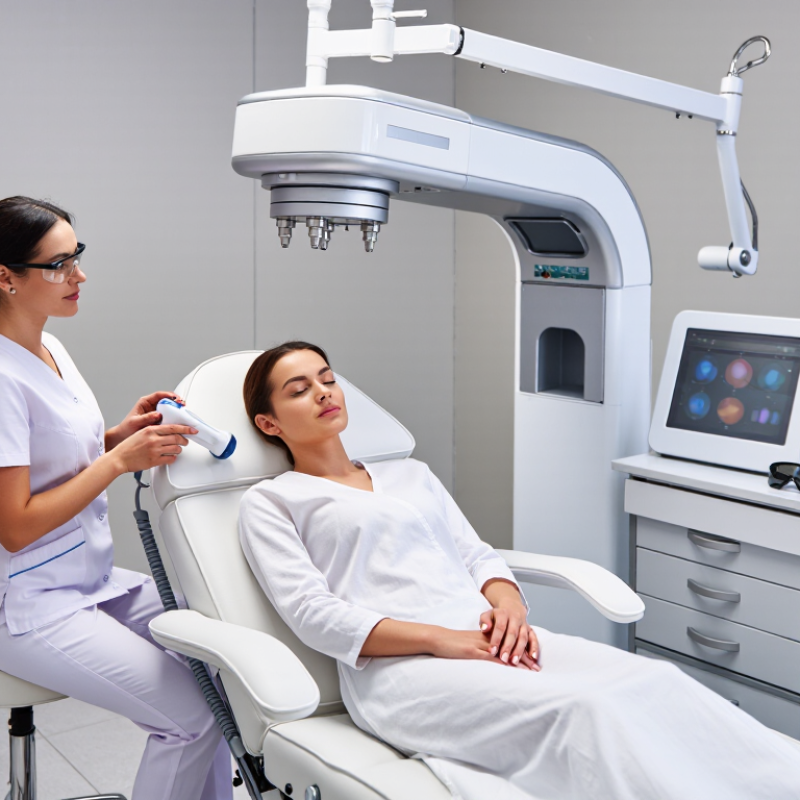
Permanent hair-removal machines mainly use lasers, intense pulsed light (IPL), or electrolysis. Laser devices deliver a focused wavelength that targets pigment in the hair follicle. IPL uses filtered, broad-spectrum light instead, so results depend heavily on filters, settings, and skin–hair contrast.
Darker skin tones need careful wavelength and energy selection to reduce burn risk. Gray, blonde, and red hair may respond less because they contain less target pigment.
The American Academy of Dermatology reports that laser treatment often reduces hair by 10% to 25% after one session; several sessions are usually needed.
The FDA describes laser outcomes as “permanent hair reduction,” not guaranteed removal: some hairs may regrow. That wording matters.
Electrolysis treats follicles individually with electrical current, making it an option for hair with little pigment, but larger areas take time.
I still find “permanent” easy to overread. Compare the device’s wavelength, cooling system, adjustable settings, and suitability for your skin and hair with a qualified practitioner. A machine’s headline power alone says little about its real-world performance.
Define Your Treatment Needs and Intended Use
Before comparing a permanent hair removal machine, define who will use it and where treatments will take place. A clinic treating several clients daily needs different throughput, cooling, and service support than a device intended for occasional use. Map the treatment zones, expected appointments, and available room time. Small details matter, like whether the handpiece can reach the underarms without awkward wrist angles.
Set realistic expectations for results. The American Academy of Dermatology advises that many patients need two to six laser treatments, with outcomes influenced by hair color, skin tone, and treatment area. The American Society of Plastic Surgeons’ 2023 Procedural Statistics Report recorded about 3.3 million laser hair removal procedures in the United States. That figure signals substantial use, but it does not prove that one device suits every client. Ask suppliers for treatment guidance across skin tones and hair types, and check whether published evidence supports their claims.
Think about the people you expect to treat. Dark, coarse hair may respond differently from fine, light hair, while sensitive areas can require careful adjustment and cooling. Review training requirements, maintenance intervals, consumable costs, and what happens when a device needs service. I would not choose by speed alone. A fast session is less useful if settings are difficult to reproduce or clients need repeated visits. An honest treatment plan may be less impressive on paper. It is usually more useful in practice.
How to Choose the Best Permanent Hair Removal Machine? - Define Your Treatment Needs and Intended Use
| Treatment Need or Intended Use | Technology to Consider | Hair and Skin Considerations | Typical Treatment Pattern | Key Machine Features to Check |
|---|---|---|---|---|
| Professional treatment of large areas, such as legs, back, or chest | Laser or intense pulsed light (IPL) | These methods work best when the hair contains pigment that can absorb light. Results depend on skin tone, hair color, device settings, and operator skill. | Usually requires a series of treatments spaced several weeks apart, followed by maintenance if regrowth occurs. | Adjustable settings, suitable spot size, effective skin-cooling system, clear skin-tone guidance, and documented safety features. |
| Targeted treatment of dark, coarse hair | Laser or IPL, selected for the individual’s skin tone and hair characteristics | Dark, coarse hair often responds better than fine, light-colored hair. Treatment parameters must be chosen carefully to reduce the risk of burns or pigment changes. | Multiple sessions are generally needed because light-based treatments are most effective on hairs in an active growth phase. | Skin-tone assessment guidance, test-spot protocol, adjustable pulse and energy settings, and appropriate wavelength or filter options. |
| Very light, white, gray, red, or blond hair | Electrolysis is often the option to discuss | Light-based methods may be less effective when hair has little or no melanin. Electrolysis treats individual follicles and can be used across a wider range of hair colors. | Requires repeated appointments; the number and duration depend on the area, hair density, and individual response. | For professional use, check for precise current controls, hygienic probe handling, operator training requirements, and appropriate regulatory clearance. |
| Home use for gradual reduction of unwanted hair | Home-use IPL or another specifically authorized home-use device | Follow the device’s stated skin-tone and hair-color limits. Many home light-based devices are unsuitable for very dark skin tones or light-colored hair. | Follow the manufacturer’s schedule exactly; results are gradual and periodic maintenance may be needed. | Skin-contact or skin-tone sensors, clear contraindications, accessible instructions, safety lockouts, and confirmation that the device is intended for home use. |
| Treatment of a small, sensitive, or hard-to-reach area | Electrolysis for follicle-by-follicle treatment, or a suitable light-based device where appropriate | Area suitability varies. Avoid treating near the eyes unless the device is specifically designed and cleared for that use and protective instructions are followed. | Small areas may still need repeated sessions because not all hairs are in the same growth phase at once. | Small treatment tip or probe options, precise control, clear eye-safety guidance, and instructions for sensitive areas. |
| Use on a range of skin tones in a professional setting | A professional laser system selected for the patient’s skin type; suitability should be assessed individually | Some laser wavelengths are used for darker skin tones, but settings and operator expertise are critical. No light-based device is suitable for every person or situation. | Session intervals and settings should be individualized by a qualified practitioner; maintenance treatments may be required. | Appropriate wavelength options, reliable cooling, adjustable parameters, treatment documentation, and practitioner training and safety protocols. |
| Long-term reduction rather than treatment of individual follicles | Laser or IPL | These methods generally provide long-term hair reduction, not a guarantee that every hair will be permanently removed. Regrowth and maintenance needs vary. | Plan for a course of treatments and possible follow-up sessions rather than expecting a one-session result. | Realistic outcome information, treatment tracking, suitable service support, and transparent guidance on maintenance and contraindications. |
Selection note: “Permanent hair removal” is often used broadly. Laser and IPL are generally described as methods for long-term hair reduction, while electrolysis treats individual follicles. Check local regulatory requirements and consult a qualified clinician or trained practitioner before treatment, especially if you have a skin condition, take photosensitizing medication, are pregnant, or have recently tanned skin.
Compare Machine Specifications, Safety Features, and Certifications
When choosing a permanent hair removal machine, compare the specifications that affect treatment, not just the headline power rating. Check the wavelength or light spectrum, adjustable energy settings, pulse duration, and treatment spot size. These determine how energy reaches the hair and how quickly an operator can cover an area. Cooling matters, too. A cold contact window or integrated cooling can make treatment more comfortable, but it does not replace correct settings or training.
Look for built-in safeguards such as skin-tone sensing, contact detection, an emergency stop, and clear error alerts. Confirm that protective eyewear is suitable for the machine’s light output, and check whether the manual explains test patches and maintenance. Small details count. Ask for calibration records and service guidance; a machine that cannot be maintained reliably may become a poor choice, even if its specifications look impressive.
Review certification documents for the exact model, and verify what each certificate covers. Electrical safety and quality-management documentation can support confidence, but a certificate alone does not prove results for every skin tone or hair type. Ask the supplier for clinical evidence, contraindications, and operator training materials. I would not treat “permanent” as a promise of zero regrowth; results vary, and that distinction deserves a closer look.
Assess Operating Costs, Training, and Supplier Support
The purchase price is only one part of a permanent hair removal machine’s cost. Estimate annual servicing, replacement handpieces, cooling supplies, and electricity before comparing quotes. Ask how often key parts need inspection and what common repairs cost. A low upfront price can become expensive if the device sits idle. Downtime adds up.
Training affects both service quality and daily workflow. Ask whether instruction includes hands-on practice, skin assessment, device settings, and maintenance routines. Staff should know when to pause treatment and seek clinical guidance. Check whether new employees can receive training later, and whether materials are clear enough to use between sessions. A short demonstration may not be enough. I would compare training plans carefully, even if that delays a purchase.
Supplier support matters when a warning appears mid-session or a handpiece needs repair. Confirm support hours, expected response times, warranty terms, and access to replacement parts in writing. Ask who handles troubleshooting and whether remote help is available. Specific answers are useful. Vague promises are not. Consider keeping a simple record of service calls and repair costs; it may reveal whether the quoted support matches real operating needs.
Select a Machine That Fits Your Requirements and Budget
Choosing a permanent hair removal machine starts with your actual needs, not the largest feature list. Decide whether it will serve a clinic or personal use, which body areas it must treat, and how many users will operate it. Skin tone and hair color matter: laser systems do not suit every combination, and light-colored hair may respond poorly. Electrolysis is another option for permanent removal, but it treats follicles individually. Fit matters.
Budget for more than the purchase price. Include training, maintenance, replacement parts, protective eyewear, and service support. The American Society of Plastic Surgeons’ 2023 Procedural Statistics Report recorded more than 3 million laser hair removal procedures in the United States. That figure shows substantial clinical use, but it does not prove that every machine or treatment plan suits every client. Ask suppliers for evidence on performance across relevant skin tones, written warranty terms, and a live demonstration. Compare the full cost per treatment, not just the equipment quote.
Tips: List your must-haves before requesting quotes. Check the machine’s intended use and safety documentation, then confirm who will train operators. Ask how downtime affects appointments. A low-priced device can become costly if service is slow. I would also leave room in the budget for unexpected repairs; estimates rarely capture every real-world snag.
How to Choose the Best Permanent Hair Removal Machine?
Compare the nominal wavelengths used by three common laser technologies. Choose equipment based on your clients’ skin and hair types, treatment needs, training requirements, and budget—not wavelength alone.
Typical reference wavelengths are approximately 755 nm for alexandrite, 800–810 nm for diode, and 1064 nm for Nd:YAG lasers. Actual specifications vary by device, and wavelength alone does not determine suitability or results. Verify device specifications, safety features, service support, and applicable regulations before purchasing.