
How to Choose the Best LED Screen for Your Business Needs?
In today's digital landscape, the demand for LED Screens is skyrocketing. According to a recent market report by Fortune Business Insights, the global LED display market is expected to reach USD 63.18 billion by 2027, growing at a CAGR of 12.5%. This growth indicates that businesses recognize the importance of high-quality display solutions.
Selecting the right LED screen can greatly influence your brand's visibility and engagement. High-resolution displays attract customers and enhance the overall experience. However, not all LED screens are created equal. Consider factors such as brightness, size, and resolution. Poor choices can lead to wasted resources and diminished impact.
Moreover, understanding your specific business needs is crucial. An ill-fitting screen may not deliver the desired results. Businesses must evaluate their location, audience, and content type. Making informed decisions can significantly improve return on investment. Thus, take the time to reflect on your options before finalizing your LED screen choice.
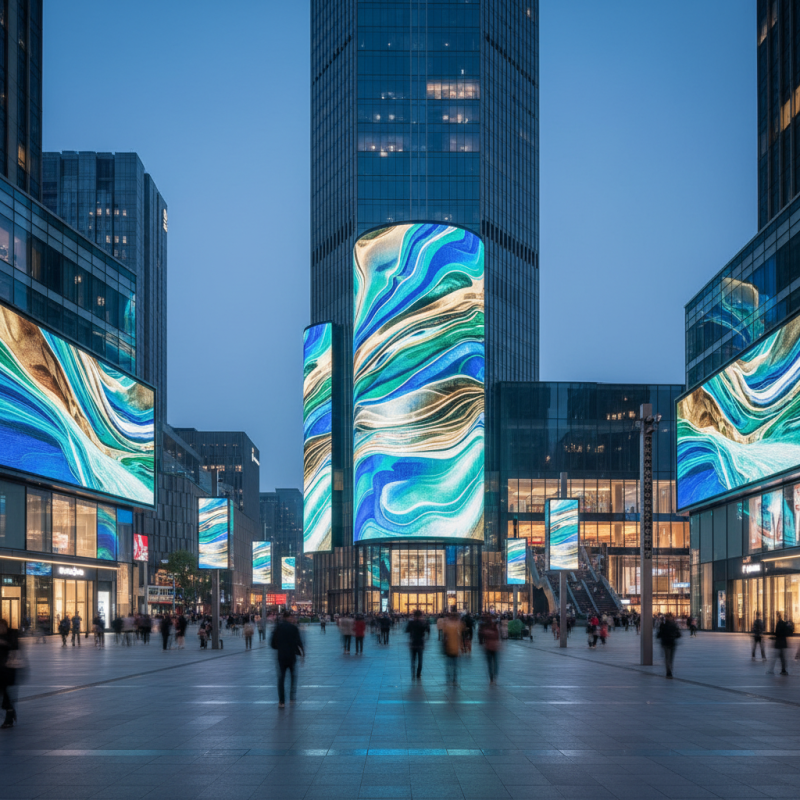
Identifying Your Business Requirements for an LED Screen
When selecting an LED screen for your business, understanding your specific requirements is crucial. Consider the environment where the screen will be placed. Indoor screens typically use lower brightness levels. Outdoor displays need higher brightness to battle sunlight and weather conditions. The average outdoor LED screen brightness ranges from 5,000 to 10,000 nits. Meanwhile, indoor screens usually operate between 300 to 1,500 nits.
Next, evaluate the purpose of the screen. If you aim for advertising, consider high-resolution displays. A report by the Display Industry Association states that clearer visuals can boost engagement by up to 30%. For presentations, choose a screen with good color accuracy and wider viewing angles. The viewing distance also matters; screens placed further away require different pixel pitch than those viewed up close.
Finally, budget constraints will affect your decision. Premium models may offer better longevity and features. However, some businesses find it challenging to balance cost with functionality. A recent analysis found that 40% of businesses regret not investing more in display quality. It’s essential to weigh these factors carefully and reflect on your needs before making a purchase.
Understanding Different Types of LED Screens Available on the Market
When selecting an LED screen, businesses must understand the various types available. Common options include indoor, outdoor, and rental LED screens. Each type serves different needs and environments. For instance, outdoor screens are built to withstand harsh weather while offering higher brightness. According to recent industry reports, the outdoor LED market is expected to reach $27 billion by 2025.
Rental LED screens cater to events and temporary setups. They provide flexibility but can be costlier in the long run. Businesses should weigh the pros and cons carefully. Some reports suggest that rental screens can be up to 30% pricier than purchase options over time. If the need is frequent, investing in a permanent solution may prove more economical.
Tips: Before making a decision, assess your environment and audience size. Consider where the screen will be placed and how it will be used. Also, explore warranties and maintenance options. Making these evaluations can significantly enhance your LED screen experience. Always keep future business needs in mind; flexibility is key in a rapidly changing tech landscape.
Evaluating Key Features: Brightness, Resolution, and Size
When selecting an LED screen for your business, three key features are essential: brightness, resolution, and size. Brightness is measured in nits. A brighter screen ensures visibility in diverse lighting conditions. If your business operates outdoors or brightly lit spaces, aim for at least 2500 nits. However, an overly bright screen might be harsh on the eyes. Finding a balance is crucial.
Resolution affects clarity and detail. Higher resolution displays, like Full HD or 4K, provide sharper images. This is particularly important for presentations and advertisements. Yet, a high-resolution screen can lead to higher costs. Assess your audience’s distance from the display. You don't always need 4K resolution for viewers who stand several meters away.
Screen size matters too. A larger screen captures attention, but it can overwhelm smaller spaces. Consider the layout of your business. A big screen might look impressive in an open area, but it can dominate a cramped space. Make sure the screen fits well within your environment. It should enhance, not distract from, your overall design and purpose. Reflect on these features to make an informed choice.
Assessing Budget and Cost-Effectiveness for Your Business
When selecting an LED screen for your business, evaluating the budget is crucial. Start by determining the initial cost of the screen. Don't forget to factor in installation expenses. Some providers may charge extra for setup. This can sometimes double your budget. A clear budget helps in narrowing down options effectively.
Cost-effectiveness is as important as the price tag. Consider the long-term return on investment. A more expensive LED screen may have better durability and energy efficiency. This could lower maintenance and electricity bills over time. Look for reviews and feedback to gauge reliability. Remember, cheaper options may save money upfront. However, they could lead to higher costs later.
Explore financing options if needed. Spreading the cost can ease cash flow. And don't hesitate to reflect on your needs. Consider the screen's purpose and the environment where it will be used. A high-quality image in a bright space may require a brighter screen, which can be pricier. Balancing your business needs with your budget is essential for making a sound investment.
How to Choose the Best LED Screen for Your Business Needs?
| Screen Size (inches) | Resolution | Brightness (nits) | Cost (USD) | Warranty (years) |
|---|---|---|---|---|
| 32 | 1920 x 1080 | 300 | 400 | 2 |
| 55 | 3840 x 2160 | 500 | 900 | 3 |
| 75 | 3840 x 2160 | 700 | 1500 | 4 |
| 86 | 3840 x 2160 | 800 | 2500 | 5 |
| 100 | 7680 x 4320 | 1000 | 5000 | 6 |
Exploring Installation and Maintenance Considerations for LED Screens
When considering LED screens for your business, installation and maintenance are crucial. The installation process can vary significantly based on screen size and location. For instance, outdoor screens require weatherproofing, while indoor screens face different spatial constraints. According to a recent report by MarketsandMarkets, the global LED display market is anticipated to reach $27.7 billion by 2025, underscoring the growing demand for efficient installation processes. Businesses need to assess building structures carefully. Poor installation can lead to performance issues and increased repair costs.
Maintenance is another significant aspect of LED screens. Regular upkeep ensures longevity and optimal performance. Typically, LED screens require inspection every three to six months. This includes checking for burnt-out pixels and cleaning the surface to prevent dust buildup. Research shows that routine maintenance can extend the life of LED displays by up to 50%. However, many businesses overlook this, thinking infrequent use suffices. Regular maintenance can be time-consuming but is essential for a reliable display.
Not all companies have in-house expertise for installation and maintenance. Outsourcing these tasks to professionals can save time. Yet, this may introduce additional costs. Evaluating the total cost of ownership, including installation and maintenance, is vital. Businesses must weigh the benefits against the potential challenges. Making informed decisions is the key to maximizing your investment in LED technology.