
Why Choose Synthetic Mica Powder for Your Products?
synthetic mica powder has become a key ingredient across various industries. The global mica market is projected to reach USD 8 billion by 2026, with synthetic mica gaining traction due to its superior properties. Unlike natural mica, synthetic mica powder offers greater consistency and purity, making it ideal for cosmetic and industrial applications.
Many brands are concerned about sourcing natural mica, often linked to ethical issues and supply chain complexities. In contrast, synthetic mica powder provides a reliable alternative. It is derived from high-purity materials and undergoes rigorous quality control. This ensures that manufacturers can deliver products that meet high standards.
Additionally, synthetic mica powder is known for its excellent heat resistance and shine. These qualities enhance products like makeup and coatings. However, some manufacturers remain hesitant. They may worry about production costs or market acceptance of synthetic alternatives. Indeed, the transition requires reflection and a strategic approach. This is crucial for maintaining competitive advantage in an evolving marketplace.
Benefits of Synthetic Mica Powder in Cosmetic Formulations
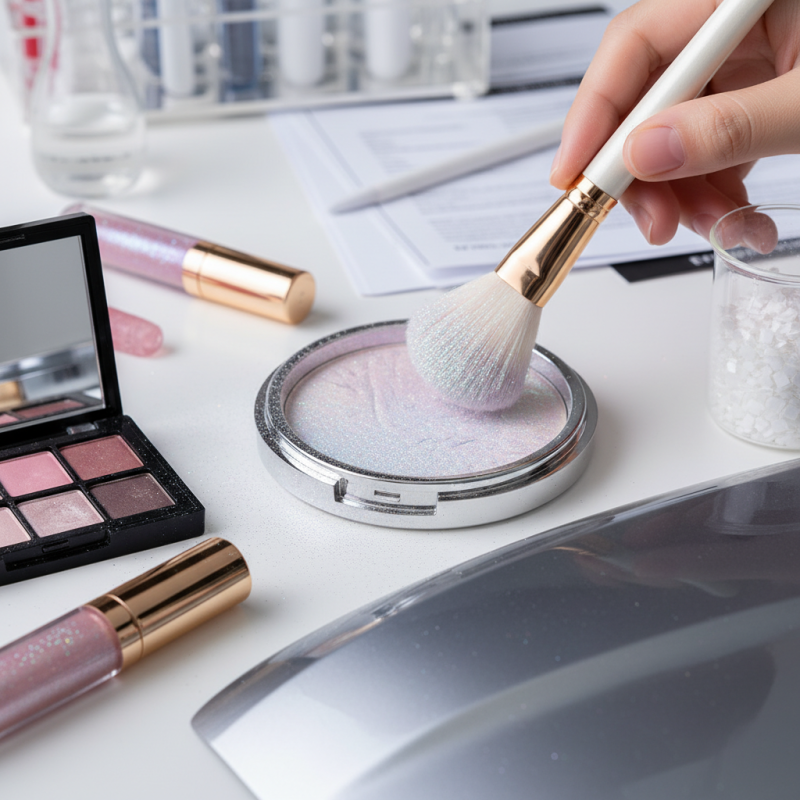
Synthetic mica powder has become increasingly popular in cosmetic formulations. Its shimmering effect adds depth and dimension to products. This powder is versatile, making it suitable for foundations, eye shadows, and even lip products.
One significant benefit is its excellent stability. Synthetic mica is less prone to contamination than natural mica. This means it maintains its quality over time. Additionally, it provides a smooth texture that enhances application. Users appreciate how easily it blends with other ingredients. However, there can be concerns about consumer perception. Some individuals prefer natural ingredients, sensing authenticity in their cosmetics.
Another important aspect is its customizable nature. Manufacturers can create various particle sizes and colors. This allows for creative formulations without compromising safety. Yet, the production process may raise questions regarding environmental impact. Transparency and sustainable practices in sourcing are becoming essential. Brands must reflect on these issues while promoting their products to ensure alignment with consumer values.
Benefits of Synthetic Mica Powder in Cosmetic Formulations
Comparative Analysis: Synthetic Mica vs. Natural Mica
When comparing synthetic mica to natural mica, several key factors emerge. Synthetic mica is crafted through controlled methods, ensuring uniformity in size and shape. This consistency leads to enhanced performance in various applications, especially in cosmetics. According to industry reports, synthetic mica can produce a smoother texture and improved shine when used in makeup products.
Natural mica, while beautiful, often faces supply chain issues. The extraction process can be harrowing, raising ethical concerns. Additionally, natural mica can contain impurities and varying particle sizes. A study from the Cosmetic Ingredient Review found that synthetic mica often shows more stability in formulations, reducing the risk of clumping and ensuring smoother application.
Tips: Consider the type of product you create. For cosmetic applications, synthetic mica is more reliable. Perhaps reassess your current suppliers. Ensure they uphold ethical practices, especially if you use natural mica. Quality and consistency should always guide your choices. Balancing aesthetics and ethics is crucial.
Why Choose Synthetic Mica Powder for Your Products? - Comparative Analysis: Synthetic Mica vs. Natural Mica
| Feature | Synthetic Mica Powder | Natural Mica |
|---|---|---|
| Source | Man-made, synthesized in a controlled environment | Naturally occurring mineral |
| Purity | High purity with consistent quality | Variable purity; often contains impurities |
| Color Consistency | Consistent and customizable colors | Color varies widely between sources |
| Environmental Impact | Lower impact; ethical, sustainable production | Can involve harmful mining practices |
| Application Versatility | Highly versatile across a range of products | Limited due to natural characteristics |
| Cost | Generally more cost-effective in the long run | Prices can fluctuate based on mining conditions |
Environmental Impact of Synthetic Mica Production
Synthetic mica powder has gained attention for its unique properties and applications. However, it's essential to consider the environmental impact of its production. This material is created in controlled environments, reducing the ecological footprint often associated with natural mica mining. Mica mining can lead to significant habitat destruction and biodiversity loss. Synthetic production offers a more stable alternative.
The main production method employs non-toxic chemicals, which minimizes soil and water pollution. In contrast, natural mica extraction often involves hazardous conditions. Yet, the synthetic process is not without drawbacks. The manufacturing phase generates waste and requires energy. Ensuring sustainable practices in synthetic mica production is crucial. Efforts to recycle and reduce emissions during production are ongoing challenges.
Communities near synthetic mica facilities may still face issues. There might be noise pollution and disruptions to local life. Balancing industrial needs with environmental sustainability is ongoing. Transparency in production practices is vital to fostering trust. As consumers, we must reflect on our choices. Supporting sustainable synthetic mica can lead to better outcomes for the planet.
Applications of Synthetic Mica Powder in Various Industries
Synthetic mica powder is gaining traction across several industries due to its versatile applications. In cosmetics, it adds shimmer to products like eyeshadows and highlighters. Its light-reflecting properties create a beautiful glow, enhancing the aesthetic appeal of makeup. Many brands utilize synthetic mica powder instead of natural mica, as it offers a consistent texture and quality, minimizing the issues linked to sourcing.
In the paint and coatings sector, synthetic mica powder improves durability. It helps create a stronger barrier against weathering, scratches, and fading. This results in longer-lasting finishes for buildings and vehicles. Additionally, its unique platy structure provides better dispersion in paints, which can lead to more uniform color application.
The plastics industry also benefits from synthetic mica powder. It enhances strength while reducing weight, making products more efficient. However, manufacturers must be cautious about the balance of additives. Overuse can compromise flexibility and performance, leading to challenges in product effectiveness. Understanding this balance is crucial for creating high-quality products.
Cost-Effectiveness of Synthetic Mica for Manufacturers
Synthetic mica powder is becoming a popular choice for manufacturers. Its cost-effectiveness is a major selling point. Compared to natural mica, synthetic mica offers significant savings. Data from industry reports suggest that manufacturers can save up to 30% on material costs by switching to synthetic alternatives. This is crucial in today's competitive market.
Synthetic mica also ensures consistent quality. Natural mica can have impurities that affect product performance. In contrast, synthetic mica is uniform in color and composition. This uniformity leads to better application in makeup and coatings. Consumers appreciate high-quality products, and manufacturers can meet this demand without overspending.
Tip: Always evaluate the total cost of ownership. While synthetic mica may have a higher initial price, its durability and performance often balance the investment.
Another consideration is sustainability. Synthetic mica is derived from non-toxic materials. This can appeal to eco-conscious brands. However, manufacturers must be aware of the long-term environmental impact. Regular assessments can help in making responsible choices.
Tip: Conduct regular audits to ensure sourcing practices are aligned with sustainability goals. This not only boosts brand reputation but also attracts a loyal customer base.