
How to Choose the Right Carbon Fiber Pipe for Your Needs?

Choosing the right Carbon Fiber Pipe is crucial for various applications, from aerospace to automotive industries. Recent reports indicate that the carbon fiber composites market is projected to grow significantly, reaching $32 billion by 2025. This growth emphasizes the importance of selecting high-quality carbon fiber products tailored to specific needs.

According to Dr. Emily Harper, a renowned materials scientist, "The performance of a carbon fiber pipe lies in its manufacturing process and material composition." Her expertise reflects the critical factors in selecting the right carbon fiber pipe. Properties such as weight, strength, and corrosion resistance dictate which pipe suits a particular use.

Moreover, buyers face challenges when navigating numerous options. Some may prioritize cost over quality, risking performance issues. Understanding the specific requirements of your project is essential. Evaluating factors like load capacity and environmental exposure will lead to smarter decisions. Selecting the appropriate carbon fiber pipe can make a significant difference in performance and longevity.
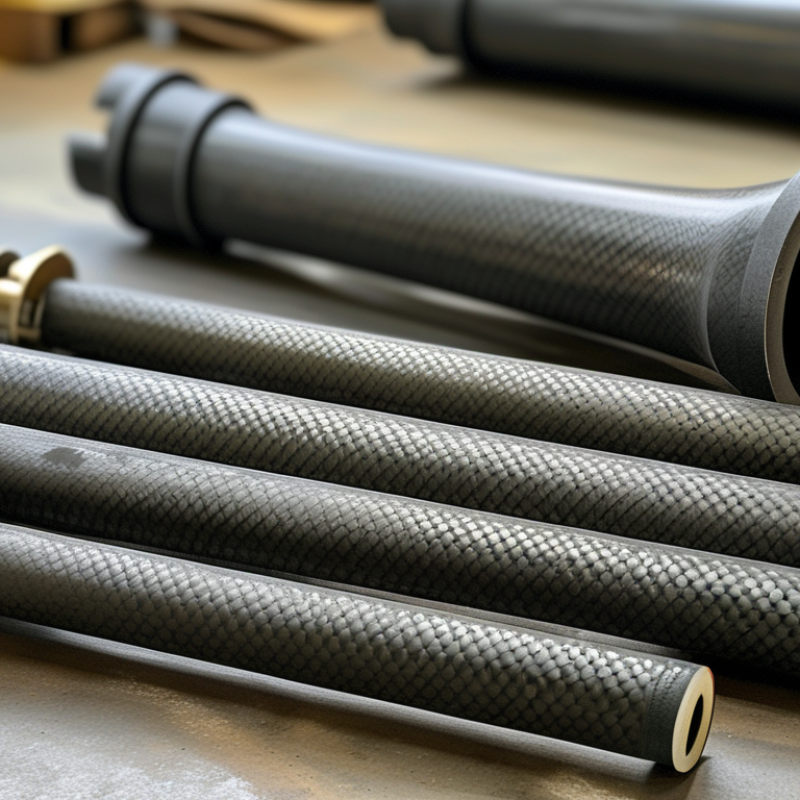
How to Choose the Right Carbon Fiber Pipe for Your Needs?

Understanding Carbon Fiber Pipe Materials and Their Properties

When selecting a carbon fiber pipe, understanding the material's properties is essential. Carbon fiber offers a unique combination of strength and lightweight characteristics. It has a tensile strength significantly higher than most metals. This makes it ideal for applications needing structural integrity without added weight. The fibers’ orientation also impacts their performance. A unidirectional layout excels in tensile strength, while a woven fabric design provides excellent multidirectional stability.


Another crucial aspect is the matrix material. Most carbon fiber pipes utilize epoxy resin, known for its durability and resistance to environmental factors. However, the choice of resin can affect flexibility and impact resistance. Customization options are available, influencing design and performance. Considering these factors helps ensure the selected pipe meets specific needs.


Nevertheless, not all carbon fiber is created equally. Low-quality composites might compromise performance and durability. Researching reputable suppliers and reviewing material specifications is wise. Users should weigh factors such as cost versus performance. A thorough understanding enhances decision-making.

Identifying Your Specific Applications and Performance Requirements

When selecting a carbon fiber pipe, understanding your specific applications is crucial. Different projects demand varying levels of strength, stiffness, and weight. For instance, aerospace applications require lightweight materials, while industrial uses might emphasize durability. Knowing these parameters will guide you toward the right choice of pipe.

Performance requirements also play a critical role. Consider factors like temperature resistance and chemical stability. In environments facing extreme conditions, the right specifications can make a significant difference. The balance between flexibility and rigidity must match your project’s demands closely.

Reflecting on your needs can highlight overlooked aspects. Are you prioritizing cost efficiency over performance? Testing prototypes in real situations may reveal unexpected weaknesses. This process of trial and reflection ensures that your choice aligns with both performance and application requirements effectively.

Carbon Fiber Pipe Selection Criteria

Comparing Different Types of Carbon Fiber Pipes Available

When selecting the right carbon fiber pipe, it is crucial to understand the different types available. Carbon fiber pipes vary in design, weight, and strength. Some are designed for high-pressure applications, while others suit lightweight purposes. The choice depends on the specific needs of your project.

One popular type is the standard seamless carbon fiber pipe, known for its excellent strength-to-weight ratio. It offers durability and flexibility, making it suitable for various applications, including automotive and aerospace.

Another option is the braided carbon fiber pipe. This type provides additional reinforcement, which can withstand greater stress, ideal for racing or high-performance equipment.

Tips: Assess the pressure levels of your application. Use a pipe that exceeds those levels to ensure safety. Always consider the environmental conditions, as temperature and humidity can affect performance. Lastly, consult with experts if in doubt about which type best suits your needs; their insights are invaluable. Selecting the appropriate carbon fiber pipe may require adjustments based on specific project demands.

Keep an open mind during this process.

Evaluating Cost Factors and Budget Constraints for Selection

When evaluating the cost factors of carbon fiber pipes, it's crucial to understand your specific needs. Different applications can significantly affect the price. Lightweight options designed for high strength may come at a premium. Consider how you will use the pipe. Is it for structural integrity or aesthetic appeal? Each purpose has its own price implications.

Budget constraints are another vital aspect. Make sure to calculate your total expenditure, including installation and maintenance costs. A cheaper option might initially seem appealing, but it may lead to higher maintenance costs later. Inadequate choices can result in unsafe situations or frequent replacements. Always remember that investing a little more upfront can prevent costly repairs.

Seek expert advice if you're unsure. Professionals can guide you toward the right choices within your budget. It's important to reflect on how long you plan to use the pipe. Will it meet your long-term needs? This extra consideration can save you money in the bigger picture.

How to Choose the Right Carbon Fiber Pipe for Your Needs? - Evaluating Cost Factors and Budget Constraints for Selection

Pipe Diameter (mm) Weight (kg/m) Max Pressure (MPa) Cost ($/m) Applications
20 0.5 20 150 Aerospace components
30 0.8 25 200 Automotive parts
40 1.2 30 250 Sports equipment
50 1.5 35 300 Industrial applications
60 1.8 40 350 Marine applications

Assessing Manufacturer Reputation and Quality Assurance Standards

When selecting a carbon fiber pipe, the manufacturer's reputation is crucial. A trusted manufacturer typically adheres to strict quality assurance standards. This commitment ensures the pipes meet industry requirements. Look for testimonials and reviews from previous customers. Their experiences can provide insight into the product's reliability and durability.

Tips: Always verify the manufacturer's certifications. For example, ISO standards can indicate high-quality production practices. Additionally, you might want to inquire about their testing procedures. Consistency in quality control is a positive sign.

A quality assurance program demonstrates a manufacturer's dedication to excellence. However, not all manufacturers provide transparent information. Look for those who openly share details about their testing results. This transparency fosters trust and lets you make a more informed decision. If you find discrepancy in quality claims, take a step back and analyze your options.