
How to Choose Restroom Stall Walls for Your Facility?

Choosing the right Restroom Stall Walls is crucial for any facility. These walls affect privacy, durability, and overall aesthetics. A recent report by the National Institute of Standards and Technology shows that restroom design impacts user satisfaction significantly. Proper selections can enhance user experience and reduce maintenance costs.

Expert in restroom design, Mark Thompson, states, "The right restroom stall walls can transform an ordinary space into a comfortable experience." When deciding on materials and styles, factors such as water resistance, vandalism potential, and ease of cleaning should be prioritized. Material options include plastic laminate, solid plastic, and metal. Each has distinct pros and cons that can influence your choice.

Consider the specific needs of your facility when choosing restroom stall walls. Spaces with high traffic might require the toughest materials available. In contrast, a luxury setting could benefit from stylish options. This choice isn't just practical; it's also a reflection of your facility’s brand and commitment to user comfort. Making a well-informed decision can lead to a surprisingly positive shift in user satisfaction.
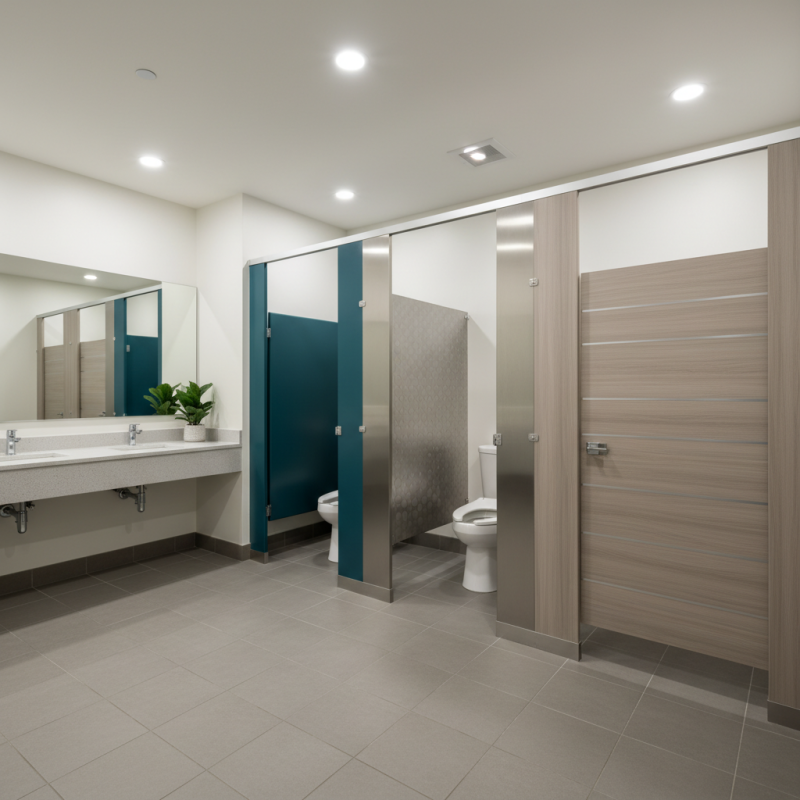
How to Choose Restroom Stall Walls for Your Facility?

Factors to Consider When Selecting Restroom Stall Wall Materials

When selecting restroom stall wall materials, several key factors impact the decision. First, durability is essential. According to industry reports, materials like stainless steel and solid plastic are highly durable and resistant to wear. They endure heavy use, preventing costly repairs or replacements. However, some facilities opt for less durable materials to cut costs, which may lead to long-term issues.

Another vital factor is hygiene. The choice of materials affects cleanliness and maintenance. Reports indicate that non-porous surfaces, such as fiberglass and high-density polyethylene, offer excellent hygiene standards. They are easier to clean and resistant to mold. In contrast, porous materials may harbor bacteria, increasing health risks. Many facilities overlook this aspect, leading to potential public health concerns.

Aesthetic appeal cannot be ignored. Colors and designs impact user experience. Many reports show that well-designed stalls improve visitor satisfaction. However, prioritizing aesthetics over functionality can lead to regret. Some facilities choose stylish options that prove impractical. Balancing beauty and practicality is crucial. Choosing restroom stall wall materials is complex but essential for creating a safe and pleasant environment.

Choosing Restroom Stall Wall Materials

This chart illustrates the popularity of different restroom stall wall materials based on a preference survey. As seen, Plastic Laminate is the most favored option, followed by Metal and Wood.

Comparison of Common Materials: Laminate, Solid Plastic, and Metal

When selecting restroom stall walls, material choice is crucial. Laminate, solid plastic, and metal are common options, each having unique characteristics. According to industry reports, laminate surfaces are popular due to affordability. However, they can be prone to chipping and peeling, especially in high-traffic areas. This compromises not only aesthetics but also hygiene, as chips can harbor bacteria.

Solid plastic offers durability and water resistance, making it suitable for wet environments. Reports suggest that over 70% of facilities prefer this option for its longevity and maintenance ease. Its non-porous surface resists stains and odors, but in some cases, it may lack the sleek look of laminate or metal. It’s essential to evaluate if the investment aligns with the facility’s image.

Metal finishes, such as stainless steel, present a modern appearance. They are robust but can be susceptible to dents and scratches, leading to potential rust issues over time, according to studies. Additionally, they might create a colder feel, which may not be ideal for every environment. Balancing aesthetics, maintenance needs, and user comfort is vital. Each material presents benefits and drawbacks, and careful consideration is necessary before making a choice.

Impact of Durability and Maintenance on Stall Wall Lifespan

When choosing restroom stall walls, durability and maintenance are crucial factors. The right materials can make a significant difference in the lifespan of stall walls. Options like plastic laminate or stainless steel provide strong resistance to wear and tear. These materials can withstand moisture and daily usage. They also allow easy cleaning, which is important in high-traffic restrooms.

However, even the most durable materials require some maintenance. Over time, scratches and dents can accumulate. Regular inspections help identify these issues early. Simple touch-ups can prevent larger problems from developing. It’s essential to choose materials that are easy to repair. Otherwise, wear and tear might lead to costly replacements.

While aesthetics are important, they should not overshadow durability. Many facilities overlook this aspect and regret it later. A beautiful stall wall that cannot withstand daily use is a poor investment. Balancing style with practicality is vital for long-term satisfaction. Reflecting on this can guide better purchase decisions.

Understanding Privacy Ratings and Their Importance in Design

When selecting restroom stall walls, privacy ratings play a crucial role in the design. They determine how effectively users feel sheltered during their time in the stall. Different materials offer varying levels of opacity. A higher privacy rating often means thicker walls or innovative designs that block sightlines. Looking at different options and understanding these ratings can be quite overwhelming, yet essential.

It’s not just about privacy; aesthetics matter too. The color and finish of the walls can enhance or detract from the restroom's atmosphere. A stark white wall might feel sterile, while warm colors can create a more inviting space. Sometimes, the balance between style and function is hard to strike. You might choose a beautiful design but sacrifice some privacy. That’s a critical thing to reflect on when planning your facility.

Additionally, consider maintenance in your choice. Some materials may look great but require more upkeep than anticipated. This might lead to future issues that can impact user experience. Make sure to weigh the long-term effects of your choices. Each aspect counts significantly in creating comfortable restroom spaces.

Cost Analysis: Budgeting for Restroom Stall Wall Installation and Upkeep

Budgeting for restroom stall wall installation can be tricky. Costs vary based on materials and design. You might consider options like laminate, solid plastic, or stainless steel. Each choice comes with its own price tag. Laminate may be cheaper, but it wears out quickly. Stainless steel looks modern but has higher upfront costs.

Maintenance is another crucial factor. Regular cleaning and repairs can add up over time. You should set aside funds for these unexpected expenses. An effective budget includes both installation and ongoing upkeep. Take time to assess potential long-term costs, not just initial ones. This can prevent budget overruns later on.

Reflect on the trade-offs between durability and cost. Cheaper materials might save money at first but could lead to higher costs later. Evaluate how often your stalls are used. High-traffic areas may require more robust solutions. Understanding your facility's specific needs is essential for making the right choice.