
How to Choose the Best Industrial Panel PC for Your Business?
Choosing the right Industrial Panel PC is crucial for any business aiming to enhance operational efficiency. According to Thomas Smith, a known expert in industrial computing, “Selecting the right hardware can be the difference between success and failure in automation.” This highlights the significance of making informed choices.
Industrial Panel PCs serve as the backbone for various applications, from manufacturing to logistics. Businesses need a system that not only integrates seamlessly but also withstands demanding environments. A robust design and versatile features are key. Often, what seems perfect on paper might not align with real-world needs. It’s important to evaluate specifications versus practical use.
Investing time in understanding different models is vital. Many businesses overlook critical factors, such as compatibility with existing systems and future scalability. It’s easy to assume that a higher price guarantees quality, yet this isn’t always true. As the industry evolves, so do the options available, making it essential to stay updated and reflective in your choices.
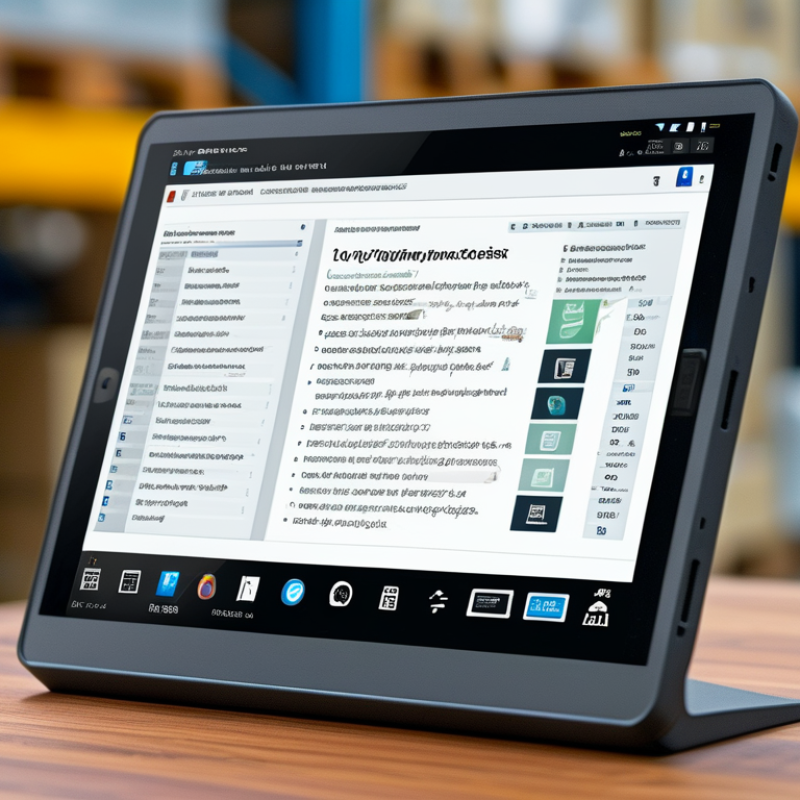
Understanding Your Business Needs for an Industrial Panel PC
Choosing the right industrial panel PC is crucial for optimizing your business operations. Understanding specific business needs is essential. Start by evaluating your working environment. Will it face high temperatures, moisture, or dust? A robust design is mandatory for harsh settings. According to a recent study by MarketsandMarkets, the industrial panel PC market is expected to grow at a CAGR of 7.3%. This highlights the increasing reliance on these devices in various sectors.
Next, consider the required functionality. Do you need touch capabilities or a larger display? Touchscreen interfaces enhance user interaction and efficiency. Data from Grand View Research indicates that 60% of respondents favor touchscreens for their ease of use. Additionally, think about software compatibility. Many industries require specific applications, and ensuring your panel PC can support them is vital. Compatibility issues can lead to frustration and hinder productivity.
Another important aspect is the computing power. If your tasks involve complex data processing, selecting a unit with adequate processing capabilities is essential. Industry reports suggest that businesses struggle with slower devices, which can lead to operational delays. Reflect on your current and future requirements. This assessment can prevent costly mistakes. Investing time in understanding your business needs will ultimately yield a more effective solution.
Key Features to Look for in an Industrial Panel PC
When choosing an industrial panel PC, consider the display quality. A high-resolution screen enhances visibility. This is crucial in environments with varying lighting. Look for touchscreens that support multi-touch capabilities. This allows for smoother interaction, crucial for productivity.
Next, evaluate processing power. A strong CPU means faster data handling. This is particularly important in industrial settings where real-time data processing is vital. Ensure the PC has adequate RAM. Insufficient memory can lead to delays and inefficiencies in operations.
Durability is essential. Industrial panel PCs should be robust and able to withstand harsh conditions. Factors like temperature range and resistance to dust and moisture are vital. Choose a model with a solid casing and certified ratings. These features ensure reliability over time. Additionally, consider expandability options. Ports and slots for future upgrades are important for longevity.
Evaluating Performance Specifications and Compatibility
When evaluating industrial panel PCs, performance specifications play a pivotal role. Look at the CPU power, RAM capacity, and storage options. A robust processor ensures smooth operation for demanding tasks. Meanwhile, sufficient RAM enhances multitasking capabilities. A solid-state drive is often preferable for faster data access. These elements can impact the efficiency of your operations significantly.
Compatibility is equally crucial. Ensure your panel PC can integrate seamlessly with existing systems. Check compatibility with software applications you plan to use. It’s wise to assess peripheral connections. Ports for USB, HDMI, and Ethernet are essential for connectivity. In some cases, manufacturers may not provide clear compatibility information. This lack of clarity can lead to frustration down the line. Always consult technical specifications and document reviews before making a decision.
Many businesses overlook the importance of environmental factors, too. For instance, does the panel PC meet your workspace requirements? You may need a model that withstands dust, moisture, or extreme temperatures. Each detail can affect long-term performance. Assessing these specifications carefully can lead to better investment choices and improved operational efficiency.
Assessing Durability and Environmental Resistance Requirements
When choosing an industrial panel PC, assessing durability and environmental resistance is crucial. A study by the International Electrotechnical Commission highlighted that around 40% of industrial equipment failures stem from environmental factors. These can include temperature extremes, humidity, dust, and vibrations. Industrial panel PCs must withstand harsh conditions to ensure longevity and reliability.
Consider a panel PC's ingress protection (IP) rating. A rating of IP65 or higher indicates resistance to dust and water, which is essential for manufacturing environments. Additionally, look for devices that meet MIL-STD-810G standards. This military standard ensures that the equipment can endure shock, vibration, and temperature variability common in industrial settings.
Durability doesn't just mean surviving physical stress. It’s also about operating efficiently. A report from the Gartner Group found that equipment that fails to operate reliably can cost companies up to $200,000 annually in downtime. Choosing the right industrial panel PC could mitigate these risks. Reflecting on the specific needs of your environment can lead to informed decisions. Balancing performance and durability is key.
Durability and Environmental Resistance of Industrial Panel PCs
Budget Considerations and Return on Investment Analysis
When choosing an industrial panel PC, budget considerations are vital. It's essential to analyze not just the purchase cost, but long-term expenses too. Consider the initial investment, maintenance, and potential upgrades. These factors can significantly impact your total expenditure.
Tips: Evaluate your company's specific needs before making a decision. Identify critical features, such as processing power and durability, to avoid overspending on unnecessary components.
Return on investment (ROI) can be tricky to estimate. Calculate the impact of efficiency improvements on your operations. A well-chosen industrial panel PC may streamline tasks and reduce downtime. However, ensure that you account for training costs and potential integration issues.
Tips: Gather feedback from end-users to ensure the panel PC fits seamlessly into existing workflows. This can help avoid costly missteps and ensure effective utilization.
Choosing the right industrial panel PC requires careful budgeting and an assessment of ROI. Balancing cost with functionality will lead to better decisions that positively affect your business's productivity. Be mindful of potential pitfalls in quality or specifications that may surface later.