
How to Choose the Best Bluetooth RFID Watch Reader?
Choosing the right Bluetooth RFID Watch Reader can significantly impact your experience. These devices offer convenience and versatility in managing various RFID applications. However, with numerous options available, making the best choice may seem overwhelming.
Understanding specific features is crucial. Look for compatibility with your devices. Battery life, read range, and data security are essential factors. A good reader should offer ease of use but also robust performance. Focus on models that have positive user reviews to ensure reliability.
Additionally, consider the brand's reputation. Established brands often provide better support and warranties. However, some emerging brands may offer unique features at lower prices. Doing thorough research can prevent regret later, as the wrong choice can lead to frustration and inefficiency. In this guide, we will help you navigate these decisions intelligently.
Understanding Bluetooth RFID Technology and Its Applications
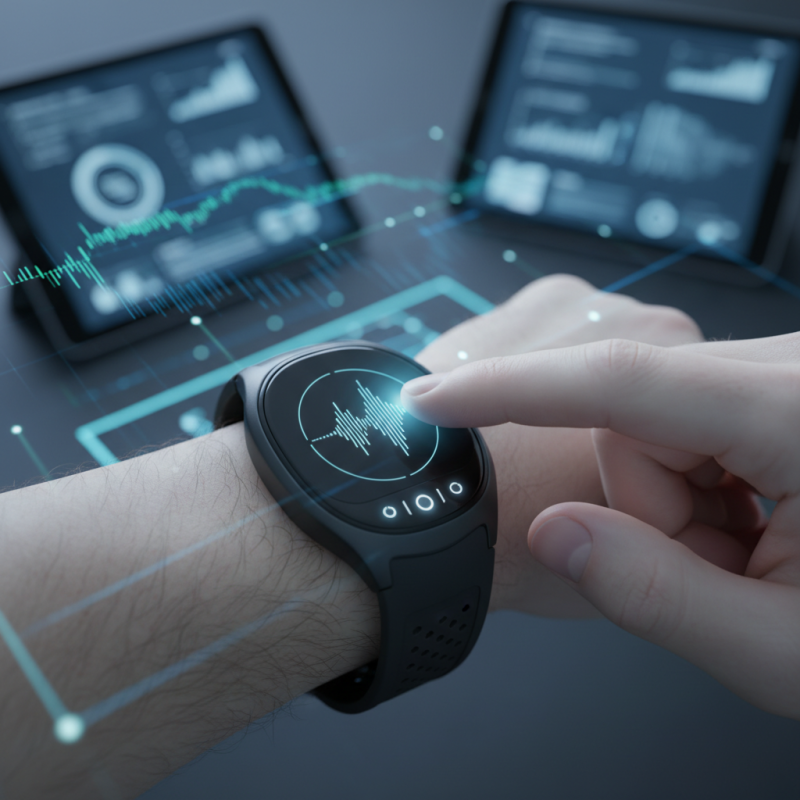
Bluetooth RFID technology is revolutionizing various sectors, from retail to security. RFID, or Radio Frequency Identification, uses electromagnetic fields to automatically identify and track tags attached to objects. When combined with Bluetooth, this system enhances connectivity and efficiency. This integration allows for wireless data transfer between RFID tags and devices, streamlining operations.
Consider how Bluetooth RFID readers can be used in inventory management. These devices enable quick scanning of multiple items, improving accuracy. Users can receive real-time data on stock levels, making it easier to manage supplies. However, the technology can sometimes face connectivity issues or interference in crowded environments. A clear understanding of your specific needs and potential limitations is crucial.
Security applications also benefit from Bluetooth RFID readers. For instance, they can control access to restricted areas. By granting permissions based on RFID tags, organizations enhance safety. Yet, challenges remain. Ensuring user privacy and safeguarding data are vital. Trust in this technology requires ongoing evaluation and adaptation to evolving threats.
Key Features to Look for in a Bluetooth RFID Watch Reader
When selecting a Bluetooth RFID watch reader, it’s vital to consider key features that enhance functionality and user experience. One of the most important aspects is connectivity range. Most reliable devices offer a range of at least 10 meters. This range ensures that the reader can effectively scan RFID tags without requiring close proximity, which is essential in various applications.
Battery life is another critical feature. Average Bluetooth devices last between 10 to 20 hours on a single charge. Devices with long-lasting batteries reduce the need for frequent recharging, which can be cumbersome in busy environments. Look for options that support fast charging technology as well. This adds convenience in scenarios where time is of the essence.
User feedback is invaluable. According to a survey conducted by TechRadar, over 70% of users prioritize ease of use and setup. Devices that come with comprehensive manuals and provide adequate customer support tend to rank higher in user satisfaction. Additionally, the durability of materials used in the watch reader can affect its performance. Waterproof and shockproof designs can significantly extend the device’s lifespan, making them more reliable in challenging environments.
How to Choose the Best Bluetooth RFID Watch Reader? - Key Features to Look for in a Bluetooth RFID Watch Reader
| Feature | Description | Importance |
|---|---|---|
| Bluetooth Range | Effective distance for communication with devices, usually between 10-100 meters. | Critical for usage in various environments. |
| Battery Life | Duration the device can operate on a single charge, ideally lasting several days to weeks. | Essential for minimizing downtime and convenience. |
| Compatibility | Ability to work with different RFID standards and protocols, such as ISO 14443 or ISO 15693. | Important for flexibility in applications. |
| Weight and Design | Overall weight and aesthetic design, impacting wearability and user experience. | Affects user comfort and appeal. |
| Data Security | Security measures in place to protect transmitted data, including encryption standards. | Crucial for safeguarding sensitive information. |
| User Interface | Ease of use, including how intuitive the features are for the user. | Impacts overall user satisfaction and functionality. |
Comparing Popular Bluetooth RFID Watch Reader Models
Choosing the right Bluetooth RFID watch reader requires careful consideration of various models. Popular options differ in features and performance. When comparing these devices, it's vital to pay attention to their reading range, battery life, and compatibility with existing systems. According to a recent industry report, the average reading distance for these devices ranges from 1 to 10 meters, significantly affecting usability in different environments.
Battery life is another critical factor. Some models boast over 30 hours of continuous use, while others require more frequent charging. This discrepancy can impact your workflow if the device isn't reliable. Compatibility is essential, too, especially when integrating into a larger RFID system. Ensure that the reader works seamlessly with your existing infrastructure.
Evaluating Battery Life and Connectivity Options
When selecting a Bluetooth RFID watch reader, battery life is a vital consideration. A longer battery life ensures you can rely on the device throughout the day. Look for models that boast at least 10 hours of continuous use. Devices that require frequent charging can disrupt your schedule. Opt for watches that come with energy-efficient technology, as this can significantly enhance longevity.
Connectivity options also play a key role in your decision. A seamless connection between the watch and your smartphone is critical. Prioritizing watches that support both Bluetooth Low Energy (BLE) and traditional Bluetooth can optimize flexibility. These features allow for faster data transfers and easier compatibility with various devices. It’s worth considering how these connections impact your user experience in diverse environments. Reflect on your daily routine and the range of devices you use. Sometimes, a watch with fewer connections can lead to frustration, especially when you are on the move.
Assessing Compatibility with Other Devices and Software
When selecting a Bluetooth RFID watch reader, compatibility with other devices and software is crucial. A compatible device ensures smooth operations and maximizes functionality. Consider the types of devices it will connect to, such as smartphones, tablets, or computers. Ensure the watch reader supports various operating systems. A reader that works seamlessly with both Android and iOS devices is ideal for flexible use.
**Tip**: Check the device's Bluetooth version. Newer versions offer improved connectivity and range.
Look at the software integration as well. The watch reader should be compatible with apps and platforms you already use. This will make data management easier. If you plan on using the reader for specialized tasks, verify that it supports relevant software. It’s a bummer to find out later that the reader doesn't work with your preferred applications.
**Tip**: Always read user reviews on compatibility features. They can reveal hidden issues.
Don’t overlook potential drawbacks. Sometimes, even a seemingly perfect match may have quirks. Look for community feedback on compatibility issues. A robust user community can be an asset. If you face challenges, learning from others' experiences makes a difference.