
Why Choose Rechargeable Lithium Batteries for Your Business?

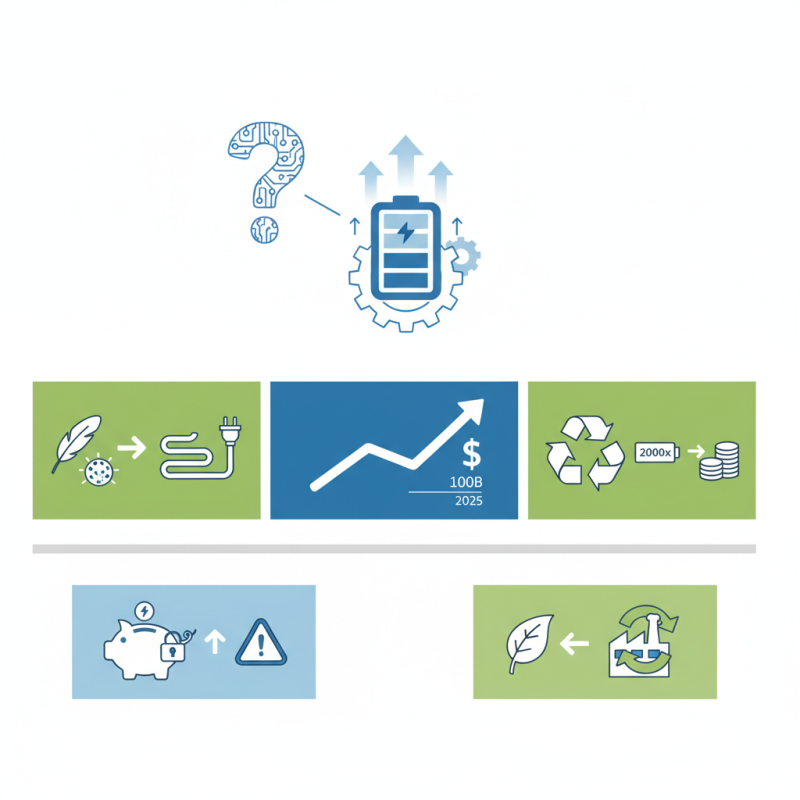
In today’s fast-paced business environment, the choice of power sources can significantly impact operations. Rechargeable Lithium Batteries have emerged as a superior option for many industries. According to a report by the International Energy Agency, the market for lithium batteries is expected to grow exponentially, reaching over $100 billion by 2025. This growth is driven by their efficiency and reliability.

Rechargeable Lithium Batteries offer numerous advantages. They are lightweight and provide high energy density. This means businesses experience longer-lasting power without the bulk of traditional batteries. Furthermore, a study from the Battery University indicates that lithium batteries can be recharged up to 2,000 times. This longevity reduces waste and often results in overall cost savings.

However, choosing rechargeable lithium batteries also comes with considerations. The initial investment is higher than conventional batteries. Maintenance and proper recycling are important to ensure compliance and sustainability. Businesses must weigh these factors against the benefits. As industries shift towards greener alternatives, understanding the role of rechargeable lithium batteries becomes crucial.
Why Choose Rechargeable Lithium Batteries for Your Business?

Benefits of Rechargeable Lithium Batteries for Business Applications

Rechargeable lithium batteries are transforming business operations. They provide significant benefits across various applications. Their longevity is a key advantage. These batteries last much longer than traditional options. This can lead to lower replacement costs over time. This aspect is crucial for businesses looking to manage expenses effectively.

Another benefit is their lightweight design. Lithium batteries are typically lighter than other types. This makes them ideal for portable devices and equipment. The reduced weight can improve efficiency and ease of use. However, businesses must also consider the initial investment. While costs are decreasing, they can still be higher than non-rechargeable options.

Sustainability is an important factor too. As businesses strive to reduce their environmental impact, rechargeable options are essential. They generate less waste and can be recycled. This aligns well with corporate responsibility goals. Yet, safe disposal methods remain a challenge. Businesses should invest time in learning best practices for recycling and disposal. Balancing costs, benefits, and sustainability requires careful consideration.

Cost Efficiency: Analyzing Long-Term Savings of Lithium Batteries

Lithium batteries are gaining traction in various industries due to their significant cost efficiency. They offer longer life cycles compared to traditional batteries. This longevity means fewer replacements and less waste. Businesses that invest in lithium batteries often find reduced operational costs over time.

Initial costs may seem high, but the long-term savings are hard to ignore. Businesses save on replacement expenses and maintenance costs. For instance, a company using conventional batteries may need to replace them every year. In contrast, lithium batteries can last up to five years or more. This durability leads to significant savings in both time and money.

There is a need for caution, though. Transitioning to lithium technology requires an upfront investment. Some businesses hesitate due to this initial cost. Additionally, it's crucial to have proper charging and handling procedures to maximize the batteries' lifespan. Understanding these factors can greatly impact overall savings.

Environmental Impact: Sustainability Advantages of Using Rechargeable Batteries

Rechargeable lithium batteries are revolutionizing the way businesses approach sustainability. These batteries are designed to be reused multiple times, reducing the need for single-use options. This shift not only conserves resources but also lowers waste. The environmental impact is significant; less waste means fewer landfills and lower pollution levels.

By transitioning to rechargeable batteries, companies can contribute to a circular economy. The materials used in these batteries are often less harmful than those found in traditional options. However, not all rechargeable batteries are created equal. It's essential to choose high-quality options to ensure durability and performance. Businesses must be aware that poor choices can lead to inefficiencies.

Implementing rechargeable lithium batteries is a step toward a greener future. Some may overlook the initial investment, but long-term savings and environmental benefits are profound. The transition can be challenging, requiring training and adjustments. But the rewards, both for the planet and the business, are worth the effort. It’s crucial to stay informed and make choices that truly support sustainability.

Performance Comparison: Lithium Batteries vs. Traditional Battery Types

When comparing lithium batteries to traditional battery types, significant differences emerge. Lithium batteries offer longer life cycles, lasting up to five times longer than alkaline batteries. This durability translates into fewer replacements, which reduces waste. However, initial costs may seem daunting. It's crucial to weigh these costs against long-term savings.

Efficiency is another key area. Lithium batteries maintain stable voltage levels for a longer period. This stability ensures that devices operate optimally, reducing downtime. Traditional batteries can suffer from sudden power drops, affecting performance. Yet, some industries may find traditional batteries easier to source, despite their drawbacks.

Charging times also reveal distinct advantages. Lithium batteries charge faster, allowing businesses to keep operations running smoothly. In contrast, traditional batteries require disposal and can create environmental concerns. Some users may hesitate to adopt lithium technology, fearing technical challenges. Nevertheless, embracing rechargeable lithium batteries often leads to better business outcomes. The transition may be imperfect, but the benefits are compelling.

Applications: Common Business Uses for Rechargeable Lithium Batteries

Rechargeable lithium batteries are becoming increasingly popular in various business applications. Their lightweight design and high energy density make them ideal for portable devices. Small electronics, such as laptops and smartphones, rely on these batteries for extended use. Many businesses benefit from reduced downtime and improved efficiency when using them.

In manufacturing, rechargeable lithium batteries power tools and machinery. These batteries provide a long-lasting performance, decreasing downtime due to charging. Beyond this, industries like healthcare use them in medical devices. Pacemakers and portable diagnostic equipment often depend on their reliability. However, some businesses face challenges in selecting the right battery for specific needs. Understanding different capacities and output requirements is not always straightforward.

Logistics and transportation sectors also see benefits from these batteries. Electric forklifts are gaining traction due to the efficiency of lithium batteries. They require less maintenance than lead-acid batteries, but businesses must consider the initial investment. Moreover, the charging infrastructure can be a hurdle. Overall, while rechargeable lithium batteries offer significant advantages, careful planning is crucial for optimal integration into business operations.