
How to Choose the Best DC High Pressure Pump for Your Needs?

Choosing the right Dc High Pressure Pump can be daunting. With a variety of options available, it’s essential to assess your specific needs. Each application, whether for industrial uses or home maintenance, demands different features.

Understanding the pump's specifications is vital. Factors like pressure range, flow rate, and power source play crucial roles. Different brands may offer varying degrees of reliability and efficiency. It’s wise to compare these key elements before making a decision.

Experience and knowledge in this field provide a solid foundation. Seek advice from professionals or read user reviews. Gathering insights helps in identifying the most suitable DC High Pressure Pump for your situation. Reflecting on your requirements will guide you in selecting a product worth investing in.
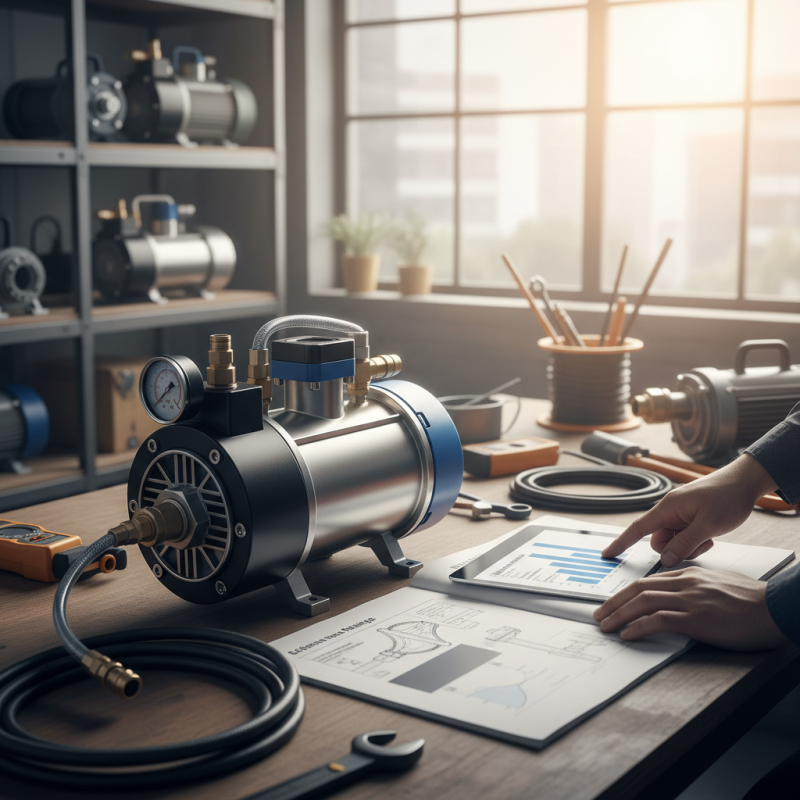
How to Choose the Best DC High Pressure Pump for Your Needs?

Factors to Consider When Selecting a DC High Pressure Pump

When selecting a DC high-pressure pump, several factors merit your attention. Start with the pump's flow rate. This defines how much liquid the pump can move in a given time. Too low a flow rate can hinder efficiency, while too high can waste energy. Consider your application needs. Are you using it for agricultural irrigation, vehicle washing, or something else? Each use case has distinct flow requirements.

Next, look at the pressure rating. This indicates the maximum pressure the pump can generate. Ensure the rating aligns with your application. Insufficient pressure may lead to operational issues. Pay attention to the pump's build materials as well. For instance, pumps constructed from corrosion-resistant materials last longer in harsh environments.

Don’t overlook compatibility with your power source. A proper match prevents operational failures and can increase the pump's lifespan. Also, think about installation and maintenance ease. A complex setup can frustrate users and lead to more downtime. Sometimes, simplicity is key. Reflecting on your specific needs helps in making an informed choice, avoiding costly mistakes down the line.

Types of DC High Pressure Pumps Available on the Market

When selecting a DC high pressure pump, various types are available in the market. Each pump serves different applications, so understanding these types is crucial. There are diaphragm pumps, which are ideal for transferring liquids within a specific pressure range. They are known for their reliability and ease of maintenance. These pumps work by creating a vacuum that draws liquid into a chamber, making them popular in various industries.

Another type is the gear pump. Gear pumps can efficiently handle viscous fluids and are often chosen for their quiet operation. They use two gears that rotate to move fluid, providing a consistent and steady flow. However, they might require careful consideration of their compatibility with certain fluids. Lastly, there are centrifugal pumps. These pumps are great for larger volumes but may not achieve the same pressure as diaphragm or gear pumps. They rely on impellers to push the fluid, which may not suit all applications.

Choosing the right pump can feel overwhelming. Each type has its pros and cons, and potential users may find it challenging to match the pump to their needs. Some may overlook important factors like fluid compatibility or the required pressure range. This leads to performance issues or even equipment failure. It’s essential to conduct thorough research before making a decision. Understanding specific requirements can prevent costly mistakes and ensure efficiency.

Key Specifications to Evaluate for Optimal Performance

When selecting a DC high-pressure pump, focus on essential specifications. Flow rate is a primary factor. It determines how much fluid the pump can move. Consider your application’s requirements. A mismatch can lead to inefficiency. For instance, using a pump with too low a flow rate could cause system failures.

Pressure rating is equally crucial. This measurement impacts the pump's ability to handle different applications. High pressure suits demanding tasks, while lower ratings might suffice for simpler projects. Additionally, construction materials matter. Look for robust options that resist corrosion and wear. This aspect ensures longer service life and consistent performance.

Efficiency ratings provide insights into energy consumption. A more efficient pump reduces operational costs. However, be wary; overly efficient models can sometimes compromise performance in real-world scenarios. Some pumps may boast high ratings but struggle with varied fluid types. It's vital to balance efficiency with reliability. Evaluating each specification thoroughly aids in making an informed decision. Each choice impacts both short-term outcomes and long-term performance.

Maintenance Tips for Longevity of Your DC High Pressure Pump

Maintaining a DC high-pressure pump is crucial for its longevity. Regular checks on its components can prevent unexpected breakdowns. Inspect hoses and fittings for wear. A small crack can lead to major performance issues. Keep the pump clean and free of debris; dirt can harm internal mechanisms.

Changing the fluid regularly is vital. Ensure you use the right type of fluid as specified in the manual. Monitor the motor's performance and listen for unusual noises. Any odd sound may indicate an underlying problem. Regularly replacing worn parts can also extend the pump's lifespan.

Understand that a high-pressure pump is not foolproof. Users must be wary of overworking the pump; this can lead to overheating. Operators should have a basic knowledge of the pump's operations. Frequent use can cause wear, so consider this when planning activities. Small adjustments can make a big difference.

Common Applications and Use Cases for DC High Pressure Pumps

DC high pressure pumps are versatile tools, used in various applications. Their compact design and efficient operation make them ideal for numerous industries. One common application is in automotive cleaning systems. These pumps deliver high pressure, helping remove dirt and grime effectively.

Another area where DC high pressure pumps shine is in agricultural applications. They assist with irrigation systems, ensuring water reaches crops efficiently. Precise control is crucial here. Farmers must choose pumps that match their specific irrigation needs. Consider flow rates and pressure requirements carefully.

**Tips:** Focus on durability when selecting a pump. Look for materials that can withstand harsh conditions. Regular maintenance is key to longevity. Also, assess your power source. Some pumps run on batteries, which can limit run time. Ensure your choice fits your operational requirements.