
Why Choose a Gate Valve for Your Piping System?
When selecting components for a piping system, the Gate Valve stands out for its unique advantages. Gate valves are designed for on-off control of flow. Their simple mechanism allows for quick operation. Many industries rely on them for their durability and efficiency. However, not all installations call for a gate valve.
In specific applications, the gate valve may perform inadequately under constant flow. For instance, potential issues with pressure drops can occur. Users must be cautious about choosing this type. The design style might not fit every project requirement. Moreover, if installed incorrectly, it can lead to premature wear.
Despite these challenges, a well-chosen gate valve can enhance system performance. It is essential to evaluate your specific needs. Making informed choices leads to better long-term solutions. In the end, careful consideration of a gate valve can result in smooth operation. The right decision can improve the system's overall reliability.
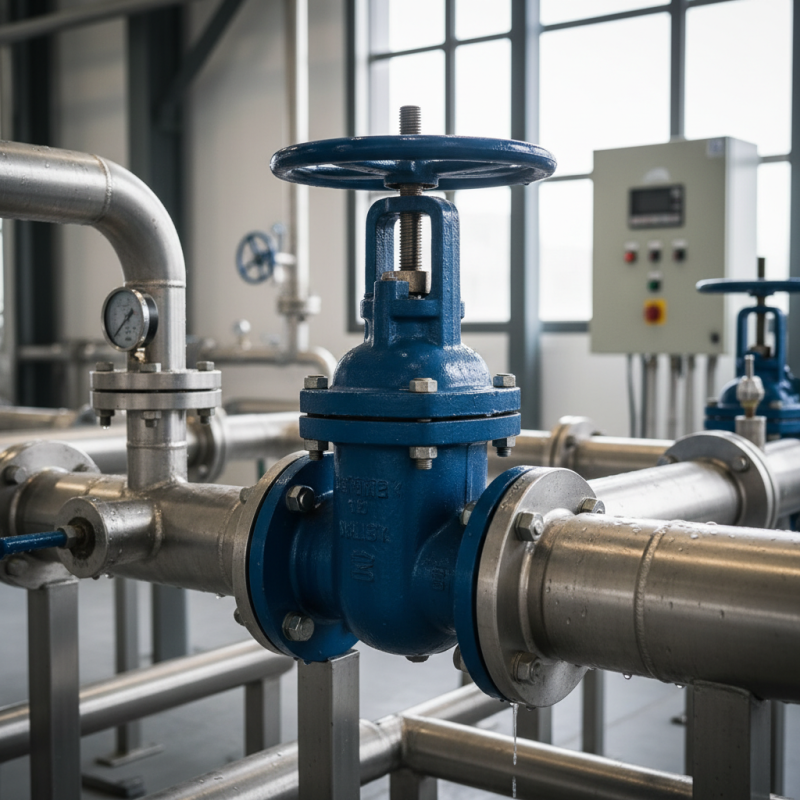
Understanding Gate Valves: Key Features and Benefits
Gate valves are essential components in many piping systems. They provide a reliable way to regulate flow. Understanding their key features can highlight their benefits. These valves are designed for on/off control. They work well in high-pressure applications. According to industry data, gate valves can handle pressures up to 800 psi. This capability makes them suitable for various operations.
One major advantage of gate valves is their minimal pressure drop when fully opened. This characteristic allows for efficient flow, reducing energy costs in the long run. Additionally, they have a simple design with fewer moving parts. This simplicity often leads to lower maintenance needs. However, an improper installation can lead to leaks or failures. Always ensure proper alignment during installation.
Tip: When selecting a gate valve, consider the material. Stainless steel and cast iron are common choices. Each material has unique properties affecting corrosion resistance and durability. Regular inspections can catch potential issues early. This proactive approach can extend the lifespan of your gate valves, ensuring optimal system performance.
Applications of Gate Valves in Industrial Piping Systems
Gate valves are essential in various industrial piping systems. They are designed to provide a straight line of flow with minimal pressure drop. Their predominant use includes isolation services. Specific sectors like water treatment, oil and gas, and chemical processing heavily rely on gate valves. According to a recent report by the Global Industrial Valve Market, gate valves account for approximately 25% of the total valve market share.
In water treatment facilities, gate valves help manage flow rates effectively. They can withstand high pressure, which is crucial for these applications. A study by Research and Markets notes that the demand for gate valves in this sector will grow by 4% annually. This growth is driven by increasing investment in infrastructure worldwide. However, installation can sometimes be challenging. Proper alignment is necessary to prevent leaks.
Moreover, gate valves are not always the first choice for throttling services. They are primarily designed for on/off control. In some situations, they can cause issues if not operated correctly. Friction can lead to wear and tear over time. It’s essential to evaluate their performance in specific applications continually. Investing in regular maintenance can mitigate these risks and ensure reliability in industrial settings.
Why Choose a Gate Valve for Your Piping System? - Applications of Gate Valves in Industrial Piping Systems
| Application Area | Functionality | Advantages | Common Size Range |
|---|---|---|---|
| Water Treatment | Control flow of water | Minimal pressure drop, durable | 2" - 24" |
| Oil and Gas | Isolation of pipelines | Reliable sealing, easy maintenance | 2" - 48" |
| Chemical Processing | Transport of corrosive fluids | High reliability, wide chemical compatibility | 1" - 30" |
| Power Generation | Control steam flow | High temperature resistance, efficient | 3" - 36" |
| Mining | Manage slurry fluids | Robust construction, high wear resistance | 6" - 42" |
Comparing Gate Valves with Other Valve Types
When evaluating valve options for a piping system, gate valves present unique advantages over other valve types. Their design allows for minimal resistance to flow when fully open, contrasting sharply with globe valves. A study indicated that gate valves can minimize head loss by up to 50% compared to globe valves. This feature is crucial in systems requiring high flow rates.
However, gate valves are not without limitations. They may struggle with throttling applications. Their primary function is either fully on or fully off, which limits versatility. A report from the American Society of Mechanical Engineers highlights that throttling with gate valves can lead to increased wear and tear on the valve seat, potentially affecting longevity.
In comparison with ball valves, gate valves tend to be bulkier and can require more space in installation. While ball valves can provide tighter seals, gate valves excel in handling high pressures and temperatures. This performance trade-off is essential to consider depending on system requirements. A comprehensive analysis reveals that 60% of engineers prefer gate valves for applications that prioritize flow rate over control. However, a keen eye on application specifics ensures optimal valve selection.
Installation and Maintenance Considerations for Gate Valves
When considering gate valves, installation and maintenance are key factors. Proper installation ensures optimal performance. The valve should be installed in a straight section of the pipeline. This allows for minimal turbulence. Make sure to align the valve correctly to avoid strain. Misalignment can lead to leaks and premature wear.
Regular maintenance is crucial for longevity. Industry reports indicate that a significant percentage of failures stem from lack of upkeep. Checking for leaks and corrosion should be routine. Disassemble the valve periodically for thorough inspections. This can reveal underlying issues. Many professionals recommend a yearly maintenance check for gate valves.
However, even with the best practices, some problems may arise. Issues like poor sealing can occur over time. The rubber seals degrade, leading to inefficiency. Keeping a maintenance log can help track performance issues. This aids in identifying patterns that need addressing. Regular observation and proactive measures are vital for sustaining efficiency in your piping system.
Common Problems and Solutions Associated with Gate Valves
Gate valves are popular choices for many piping systems. However, they have common issues that users should consider. One problem is leaking. This can occur if the valve seat wears out over time. Regular inspections and proper maintenance can help identify these leaks early.
Another issue is that gate valves can become stuck. This happens when debris accumulates or if the valve is not operated frequently. Inspecting the valve regularly can prevent this. Sometimes, operators may forget to open or close the valves completely. This can lead to incomplete flow or increased pressure. Operators should get into the habit of checking valve positions routinely.
Lastly, gate valves may not offer a tight seal when fully closed. In high-pressure applications, this can be problematic. Replacing aging valves with newer models can help ensure better performance. Users must reflect on their specific needs and the potential issues linked to gate valves. They must take proactive measures to mitigate these risks for efficient operations.