Who Is the Best Natural Raffia Bags Supplier in China?

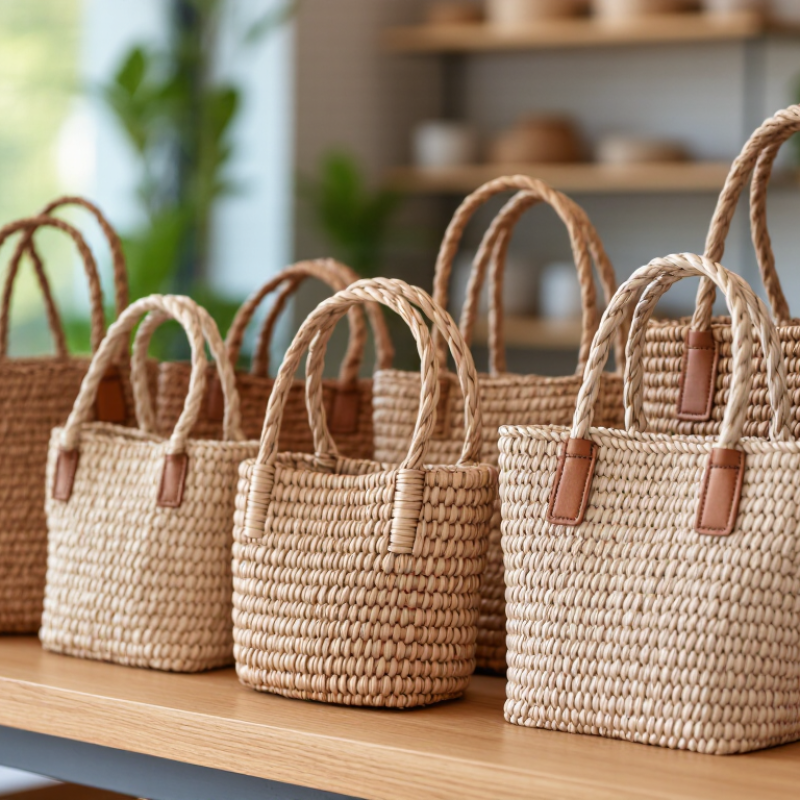
Choosing the best Natural Raffia Bags supplier in China takes more than comparing prices or polished catalog photos. Raffia is a plant-based fiber, and its natural variation can affect color, texture, and finish. A careful buyer should inspect physical samples, not rely on images alone. Check the weave for loose ends, the handles for secure attachment, and the seams where the bag carries the most weight. Small details matter.

Craft and textile designer William Morris offered a useful standard: “Have nothing in your houses that you do not know to be useful, or believe to be beautiful.” His words are not specific to raffia, but they capture the balance buyers seek: a bag should look considered and work well in daily use. Still, appearance cannot prove durability. That is one gap worth acknowledging.

A credible supplier should explain fiber selection, sample development, production checks, and realistic lead times in plain language. Ask how color differences are handled between batches, what inspection records are available, and how defects are resolved. Compare the answers with the sample in your hands. For larger orders, request references or examples of comparable work, while respecting client confidentiality. The strongest partner may not offer the lowest quote. It should offer clear evidence, consistent communication, and a process you can verify. That is where a meaningful supplier comparison begins.
Who Is the Best Natural Raffia Bags Supplier in China?

What Defines a Natural Raffia Bag? Verify Fiber Origin and 100% Material Claims

A natural raffia bag should use fiber from raffia palm leaves, not paper strips or plastic raffia made to look similar. Ask the supplier to identify the fiber source, harvesting region, and processing method. Specific answers are more useful than a vague “eco-friendly” description.

Check what “100% raffia” means. It may describe only the woven body, while the lining, sewing thread, handles, or coating use other materials. Request a written material breakdown and compare it with a physical sample. Look closely at the weave: natural strands often vary slightly in width and color. That variation is a clue, not proof.

Keep records. Match the sample description, product specification, and production batch details before placing a larger order. If the claim matters commercially, consider independent fiber testing; photographs alone cannot confirm composition. One detail is easy to miss: a natural fiber bag may still contain synthetic parts. Ask the supplier to name them clearly. I would not treat a “100% natural” label as self-explanatory. It needs a defined scope, and suppliers do not always define it consistently.

Who Is the Best Natural Raffia Bags Supplier in China? - What Defines a Natural Raffia Bag? Verify Fiber Origin and 100% Material Claims

Verification Dimension What to Verify Useful Evidence to Request Practical Check
Botanical fiber identity Raffia is a plant fiber obtained from the leaves or leaflets of raffia palms. Ask the supplier to identify the fiber used and distinguish it from paper raffia, raffia-look paper yarn, and synthetic plastic strands. A written material specification, fiber description, and clear photographs or samples of the raw fiber and finished weave. Compare the raw material with the finished bag. Do not rely on the word “raffia” alone, since it can also describe a look or style.
Fiber origin and traceability Confirm the country or region where the plant fiber was harvested. This may differ from the country where the bag was woven, assembled, exported, or shipped. A batch-linked origin declaration supported, where available, by supplier records, purchase documents, or other traceability records connecting the fiber to the production lot. Check that the stated origin refers specifically to the fiber, and that documents relate to the same batch as the samples or order.
Meaning of “100% natural raffia” Clarify whether “100%” applies to the visible woven body, the raffia yarn, or the entire bag. A finished bag may also contain lining, thread, handles, labels, coatings, adhesives, or metal fittings. A component-by-component bill of materials stating the material and approximate or measured content of each part, with any exclusions clearly listed. Look for precise wording such as “raffia outer body; cotton lining; metal clasp” rather than an unqualified whole-product claim.
Synthetic or substitute fibers Check whether any strands, core yarns, binding, or decorative elements are made from polypropylene, polyester, paper, or other materials. A full material declaration and, if the claim is commercially important, an independent laboratory report suitable for identifying suspected synthetic polymers. Inspect cut edges and internal seams as well as the visible surface. A laboratory result may help identify material type but does not, by itself, establish geographic origin.
Dyes, coatings, and finishes Natural plant fiber may be dyed, treated, or coated. These treatments do not automatically make the fiber synthetic, but they affect what a “natural” or “untreated” claim means. A finish and dye declaration identifying whether the raffia is natural-colored, dyed, coated, or otherwise treated. Compare the declaration with the color, surface feel, odor, and finish of a production sample; request clarification for glossy or unusually uniform surfaces.
Sample-to-order consistency Confirm that the approved sample and bulk order use the same stated fiber type, construction, and component materials. An approved reference sample, purchase-order material specifications, and production-lot inspection records. Check random finished units against the approved sample and written specifications before shipment.
Claim wording and supporting records Ensure product descriptions distinguish verified facts from broad marketing terms. No single document should be treated as proof of every material, origin, or environmental claim. Consistent specifications, origin records, component declarations, and relevant test reports, all linked to the applicable product or batch. Prefer specific, document-supported statements over vague claims such as “eco-friendly,” “pure raffia,” or “100% natural” without a defined scope.

Buyer note: Assess suppliers using batch-specific documentation, sample inspection, and clearly defined material claims. Fiber origin, bag manufacturing location, and finished-product composition are separate facts and should be verified separately.

How to Score Suppliers: Compare Quality, Capacity, Compliance, Cost, and Traceability

Who Is the Best Natural Raffia Bags Supplier in China?

How to Score Suppliers: Compare Quality, Capacity, Compliance, Cost, and Traceability

A useful supplier scorecard should weigh more than the quoted price. I would assign 30 points to quality, 20 to capacity, 20 to compliance, 15 to cost, and 15 to traceability. Ask for samples from several production batches. Check fiber consistency, weave tension, handle attachment, lining, and edge finishing. Ask to see it. A polished sample may not reflect bulk production.

For capacity, compare monthly output with your order size and request a production schedule, not just a verbal promise. UNCTAD’s Review of Maritime Transport 2024 reported that global maritime trade grew 2.4% in 2023. Shipping shifts can affect delivery plans, so confirm lead times and quote validity in writing. For compliance, request relevant product and facility records, then verify that names, dates, and scopes match.

Traceability deserves its own score. Record the stated fiber origin, processing location, and key subcontractors, and ask for supporting documents. The World Bank’s 2023 Logistics Performance Index assessed 139 economies, including tracking and tracing as a performance dimension. That is a useful reminder: documented visibility matters. Still, paperwork is not proof by itself. A tidy file can hide gaps, and small workshops may need clearer record-keeping. Build in a practical review rather than treating every missing form as a final verdict.

How to Inspect Workmanship: Use ISO 2859-1 AQL 2.5 as a Benchmark

AQL 2.5 is a practical benchmark for checking natural raffia bags, but it is not a promise that every bag will be flawless. Under ISO 2859-1, the sampling plan depends on lot size and inspection level. Agree on these details before production, along with clear definitions for critical, major, and minor defects. AQL does not mean that exactly 2.5 percent of a shipment may be defective; it sets acceptance criteria for a sample.

Inspect bags selected randomly from different cartons, not just the easiest pieces to reach. Look closely at the weave for open gaps, broken strands, and uneven tension. Pull gently at handle bases and seams, where weak stitching may show. Check measurements, lining, closures, and loose raffia ends against the approved sample. Natural fibers vary in shade and texture, so define acceptable variation with photos or a signed reference. Small differences can be normal. A weak handle is not. Record defects with clear photos and counts, then compare the results with the agreed sampling plan. AQL helps structure judgment, though it cannot replace careful product standards.

Which Textile Tests Matter? ISO 139 Conditions of 20 ± 2°C and 65 ± 4% RH

For a natural raffia bag supplier in China, ask how samples are conditioned before textile tests. ISO 139 specifies a standard atmosphere of 20 ± 2°C and 65 ± 4% relative humidity. These conditions help reduce moisture-related variation during testing. Raffia can respond to humidity, while linings, sewing threads, and woven straps may respond differently.

A practical test plan should match the bag’s construction. Tensile or seam-strength tests can check whether handles stay attached under load. Abrasion testing may reveal wear on corners and frequently touched areas. If the bag includes dyed textile components, colorfastness tests can assess color transfer from rubbing or moisture. The chosen method matters; request the test standard, specimen details, and conditioning record, not just a pass statement.

Look for consistent sample preparation and traceable reports. Ask whether testing was done after the specimens reached the required atmosphere, following the relevant method’s instructions. Small details matter. A lab result cannot fully predict how every handmade raffia panel will behave, because natural fibers vary in thickness and weave. That limitation deserves discussion, not concealment. Compare test results with finished-bag inspections, including handle stitching and the feel of the lining.

Who Is the Best Natural Raffia Bags Supplier in China? — Which Textile Tests Matter?

ISO 139 standard conditioning atmosphere for textile testing

ISO 139 specifies a standard atmosphere of 20 ± 2 °C and 65 ± 4% relative humidity for conditioning and testing textiles. The chart shows each permitted range as a percentage of its tolerance around the target; it does not represent supplier test results or a product pass/fail rating.

Reference: ISO 139, Textiles — Standard atmospheres for conditioning and testing.

How to Verify Export Readiness: Check REACH, CPSIA, MOQ, and Lead-Time Records

A reliable natural raffia bag supplier should be able to show more than attractive product photos. Ask for recent test reports tied to the exact bag, lining, dye, and trims you plan to order. REACH-related checks may apply to chemical substances in materials sold into Europe; CPSIA requirements matter when products are intended for children in the United States. These are not interchangeable documents. Check the product description, test date, issuing laboratory, and sample details. A polished PDF alone proves little.

Then check whether the supplier can actually ship your order. Request written MOQ terms by style, color, and customization level; a low sample MOQ may not apply to bulk production. Compare promised lead times with dated records from previous orders, including sample approval, production start, inspection, and dispatch. Ask how seasonal raffia supply or hand-weaving capacity affects the schedule. Small details matter.

Look for evidence, not just confident replies. A clear order timeline, consistent invoice terms, and recent shipment records help reveal how the supplier manages export work. Confirm who prepares packing lists and shipping documents, and ask what happens if inspection finds uneven weaving or loose handles. Some records may be incomplete. That deserves a follow-up, not an automatic rejection. Request a written explanation and a realistic corrective plan before paying a deposit.