
2026 Best Electric Forklift Battery for Efficient Warehousing?
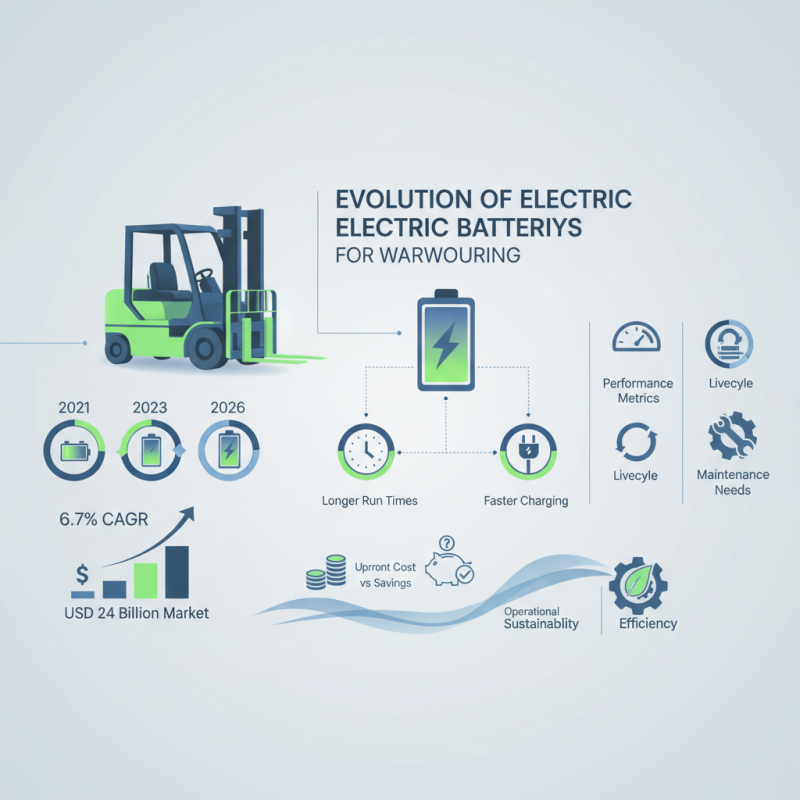
As the logistics sector evolves, the demand for efficient warehousing solutions intensifies. In this context, the role of an Electric Forklift Battery cannot be overstated. Recent reports indicate that by 2026, the global electric forklift market is expected to reach USD 24 billion, growing at a CAGR of 6.7% from 2021. This growth is driven by the need for sustainable and cost-effective solutions in material handling.
Electric Forklift Batteries are crucial for enhancing productivity and reducing operational costs. Advanced battery technologies, such as lithium-ion, have shown remarkable performance improvements. For instance, lithium-ion batteries provide longer run times and faster charging. However, the high initial investment remains a barrier for some companies. Understanding the trade-offs between upfront costs and long-term savings is essential for informed decision-making.
Choosing the right Electric Forklift Battery involves careful consideration of performance metrics, lifecycle, and maintenance needs. While some companies opt for cheaper options, the long-term reliability and efficiency of premium batteries often justify the investment. As the industry moves forward, the evolution of battery technologies will continue to shape warehousing efficiency and operational sustainability.
Types of Electric Forklift Batteries Available in 2026
In 2026, electric forklift batteries have evolved significantly. Various types are available, tailored for specific warehousing needs. Lithium-ion batteries are becoming popular. They are lightweight and charge quickly. Their longer lifespan reduces replacement costs. However, they can be pricier upfront.
Lead-acid batteries remain a classic choice. They are widely used in many warehouses. They are affordable and reliable. While they may not last as long as lithium-ion options, they are still effective for many operations. Regular maintenance is essential, though. Neglecting this can lead to decreased efficiency.
New technologies are emerging, such as solid-state batteries. These promise greater energy density and faster charging times. They are still in development, but their potential is exciting. It’s crucial to weigh the pros and cons. Invest time into understanding each battery type. Consider your specific operational needs and limitations, but remember, no one solution fits all.
Battery Types and Their Capacity in 2026
Factors to Consider When Choosing an Electric Forklift Battery
Choosing the right electric forklift battery is pivotal for optimizing warehouse operations. Some key factors need careful consideration. Battery capacity is crucial. A higher capacity often means increased efficiency. For instance, a battery with 600 Ah capacity can power operations for longer shifts. This ensures fewer downtime moments for recharging.
Cycle life significantly impacts your investment too. Batteries with more cycles can offer long-term savings. A deep-cycle battery typically lasts up to 2,000 cycles. This longevity translates to a lower cost per use over time. It's also essential to evaluate charging times. Rapid chargers can increase productivity by minimizing the time the forklift is idle.
Consider the maintenance requirements as well. Some batteries require regular servicing, while others are maintenance-free. Choosing a maintenance-free option can save labor costs and time. It's not just about initial investment. Analyze the total cost of ownership over several years. This will give a clearer picture of which battery suits your warehousing needs best.
Top Features of Efficient Electric Forklift Batteries
When choosing an electric forklift battery, understanding key features is essential for efficient warehousing. A high energy density is crucial. Batteries with superior energy density can provide more power without requiring excessive space. This allows warehouses to maximize their storage capacity while maintaining optimal performance.
Another important feature is charge time. Fast-charging capabilities can significantly reduce downtime. Operators can quickly recharge during breaks, ensuring that forklifts are ready to work when needed. Additionally, battery lifespan matters. A longer lifespan means fewer replacements and lower overall costs. This can be vital for tight budgets.
There’s also the aspect of environmental impact. Efficient batteries should minimize emissions and energy waste. While some technologies showcase impressive features, they may not always be the most practical choice for every warehouse. Each operational environment is unique. Evaluating specific needs is vital for making the best decision. It’s worth exploring different options, even if it means extensive research and testing.
Comparative Analysis of Leading Battery Brands for Warehousing
When it comes to warehousing, choosing the right battery for electric forklifts is crucial. Different battery types offer varying advantages. Lithium-ion batteries are known for their fast charging and longer lifespans. Lead-acid batteries, on the other hand, are more traditional and cost-effective. Each option has its strengths and weaknesses, leading to important considerations during selection.
Efficiency is often linked to a battery's maintenance needs. Lithium-ion batteries require less frequent upkeep compared to lead-acid options. However, their initial cost can be higher. This poses a dilemma for some warehouses, especially those operating on tight budgets. Balancing upfront costs against long-term savings is not always straightforward.
Another factor to consider is environmental impact. Some batteries pose recycling challenges. Others may have a smaller ecological footprint. Warehouse managers must weigh these factors carefully. The battery choice impacts not only operational efficiency but also sustainability goals. It's a complex decision that requires thorough analysis and reflection.
Maintenance Tips for Prolonging Battery Life in Electric Forklifts
Maintaining the battery of an electric forklift is crucial for efficient warehousing operations. Proper care can enhance performance and longevity. Regularly check the water levels in lead-acid batteries. If levels are low, fill them with distilled water. This small act prevents sulfate buildup and prolongs battery life.
Temperature plays a significant role too. Keep batteries in a cool, dry place. High heat can lead to faster degradation. Always avoid overcharging. This not only wastes energy but also damages the battery cells. A smart charging system can help in managing this effectively.
Inspect terminals and connections frequently. Clean any corrosion you find. A clean connection ensures efficient energy transfer. It’s also wise to perform regular load tests. This can reveal potential issues early. Always consult the battery manual for specific maintenance guidance. A proactive approach is key. Small habits now lead to better performance later.
2026 Best Electric Forklift Battery for Efficient Warehousing - Maintenance Tips for Prolonging Battery Life in Electric Forklifts
| Battery Type | Capacity (Ah) | Voltage (V) | Weight (lbs) | Expected Life (Years) | Maintenance Tips |
|---|---|---|---|---|---|
| Lead Acid | 400 | 48 | 600 | 5 | Regular watering & equalization charges |
| Lithium-ion | 500 | 48 | 400 | 8 | Avoid deep discharges & high temperatures |
| Nickel Cadmium | 300 | 36 | 500 | 6 | Full charge before storing & cycling |
| Gel Cell | 350 | 48 | 550 | 5-7 | Keep upright & avoid overcharging |