What Are the 2026 Best Commercial Lighting Fixtures?
Choosing the best Commercial Lighting Fixtures for 2026 requires more than comparing brightness, price, or appearance. A successful specification must balance energy efficiency, visual comfort, smart controls, durability, and maintenance needs. In a retail store, this may mean narrow-beam LEDs that sharpen product colors. In a warehouse, it may require high-bay fixtures with occupancy sensors and reliable performance in dusty conditions.
Dr. Mariana Figueiro, a leading lighting researcher and former director of the Lighting Research Center, stated, “Light is the most powerful synchronizer of the human circadian system.” Her observation matters because commercial lighting now affects more than visibility. It can influence alertness, comfort, and the perceived quality of an interior. Tunable-white systems, low-glare optics, daylight sensors, and wireless controls are becoming practical choices for offices, healthcare spaces, schools, and hospitality venues.
Still, no fixture is perfect. A highly efficient product can create uncomfortable glare. A smart system can also become difficult to operate. I have seen specifications favor impressive lumen output while overlooking ceiling height, viewing angles, cleaning schedules, and replacement access. That is a costly mistake. The best Commercial Lighting Fixtures should fit the building, not merely the catalog. This guide examines 2026’s strongest options through performance data, installation experience, control compatibility, color quality, and long-term value. Some recommendations may need reconsideration as standards, prices, and building technologies change. That uncertainty deserves attention.
What Makes a Commercial Lighting Fixture the Best in 2026
What Are the 2026 Best Commercial Lighting Fixtures?
The best commercial lighting fixture in 2026 is not simply the brightest. It should deliver efficient light, visual comfort, reliable controls, and easy maintenance. The IEA’s Energy Efficiency 2023 report estimates that lighting uses about 15% of global electricity. That makes efficiency important, but it is only one part of the decision.
A strong fixture should provide high lumens per watt, low glare, stable color quality, and minimal flicker. It should also support dimming, occupancy sensing, daylight response, and open control protocols. The DesignLights Consortium’s SSL Technical Requirements emphasize performance, controllability, and verified product quality. These requirements help buyers compare products beyond attractive specification sheets. In real facilities, poor commissioning can reduce expected savings. A high efficacy number can still disappoint. This is where professional audits and on-site testing matter.
Tips: Check the photometric file before purchasing. Confirm light levels at desks, aisles, and loading areas. Review driver replacement access and warranty terms. Measure flicker, glare, and standby power, not only wattage. The U.S. Department of Energy’s solid-state lighting research also highlights improved efficacy, controls, and lifetime reliability as key development areas. Still, no fixture is perfect. A sensor may save energy in one warehouse but frustrate workers in another. Test a small zone first, then adjust the specification.
What Are the 2026 Best Commercial Lighting Fixtures?
In 2026, the strongest commercial lighting fixtures combine high efficacy, long service life, suitable color quality, and reliable control compatibility. The chart compares representative performance values commonly found in current commercial LED specifications.
Values shown are representative market benchmarks for commercial LED fixture categories: efficacy is measured in lumens per watt, rated life in hours, and color quality as minimum CRI. Actual performance varies by model, optics, operating temperature, and control configuration.
The Main Types of Commercial Lighting Fixtures
Commercial lighting fixtures are selected by ceiling height, task demands, operating hours, and environmental conditions. High-bay fixtures suit warehouses, factories, and sports halls with ceilings above roughly 20 feet. They deliver strong downward light across wide areas. Low-bay fixtures serve lower ceilings, where excessive output can create glare and wasted energy.
Troffers and flat panels fit suspended ceilings in offices, schools, and clinics. Their broad, even distribution helps reduce dark patches around desks. Linear strip fixtures work well in corridors, workshops, and retail back rooms. For focused work, adjustable task lights can improve visibility without brightening the entire room. I have found that workers often prefer layered lighting over one powerful ceiling fixture.
Outdoor areas need more specialized forms. Wall-pack fixtures illuminate building edges, while canopy fixtures cover entrances, loading zones, and covered walkways. Floodlights provide wider exterior coverage, but poor aiming can disturb nearby windows. Wet or dusty locations may require suitable ingress protection ratings. Check those ratings carefully.
Good commercial planning also considers color rendering, color temperature, glare control, dimming, occupancy sensors, and maintenance access. A high color rendering value can help inspectors notice surface defects or product differences. However, brighter is not always better. I have seen offices become uncomfortable because designers measured light levels but overlooked reflections on screens. Even careful layouts can miss changing daylight, furniture movement, or uneven ceiling heights. A small on-site test area can reveal problems before full installation.
What Are the 2026 Best Commercial Lighting Fixtures? - The Main Types of Commercial Lighting Fixtures
| Fixture Type |
Common Applications |
Typical Wattage |
Typical Light Output |
Typical Efficacy |
Typical CCT |
Recommended CRI |
Mounting and Key Features |
| LED Troffer |
Offices, schools, healthcare facilities, and grid ceilings |
25–50 W |
3,000–7,000 lm |
110–160 lm/W |
3500–5000 K |
80+; 90+ for visual tasks |
Recessed 2×2 or 2×4 ceiling installation; diffused, low-glare, dimmable options |
| LED Flat Panel |
Modern offices, classrooms, clinics, and retail interiors |
25–50 W |
3,000–7,000 lm |
100–150 lm/W |
3000–5000 K |
80+ |
Recessed, surface-mounted, or suspended; uniform appearance and broad light distribution |
| Linear LED Pendant |
Open-plan offices, conference rooms, hospitality areas, and architectural spaces |
30–100 W |
3,500–14,000 lm |
90–150 lm/W |
3000–4000 K |
80+; 90+ for hospitality |
Suspended from the ceiling; direct, indirect, or direct/indirect illumination with glare control |
| LED High-Bay |
Warehouses, distribution centers, manufacturing plants, and sports facilities |
100–300 W |
15,000–45,000 lm |
130–190 lm/W |
4000–5000 K |
70–80+ |
Suspended or surface-mounted at high ceilings; narrow, medium, or wide beam distributions |
| LED Low-Bay |
Workshops, retail stockrooms, garages, and industrial areas with lower ceilings |
50–150 W |
7,000–22,000 lm |
120–175 lm/W |
4000–5000 K |
70–80+ |
Surface-mounted or suspended; optimized for mounting heights generally below high-bay applications |
| LED Downlight |
Retail stores, restaurants, hotels, offices, and corridors |
8–40 W |
600–4,500 lm |
75–120 lm/W |
2700–4000 K |
80+; 90+ for merchandise |
Recessed ceiling installation; selectable beam angles, adjustable trims, and dimming options |
| LED Canopy Light |
Gas stations, parking garages, covered walkways, and building overhangs |
40–150 W |
5,000–20,000 lm |
100–160 lm/W |
3000–5000 K |
70–80+ |
Surface-mounted to ceilings; sealed housing, impact resistance, and occupancy-sensor compatibility |
| LED Wall Pack |
Building perimeters, loading docks, service entrances, and security lighting |
20–100 W |
2,500–15,000 lm |
100–160 lm/W |
3000–5000 K |
70–80+ |
Wall-mounted; full-cutoff and asymmetric optics help direct light toward paths and walls |
| LED Floodlight |
Building façades, construction sites, sports areas, yards, and outdoor security zones |
50–500 W |
6,000–75,000 lm |
100–170 lm/W |
3000–5000 K |
70–80+ |
Wall, pole, or trunnion mounting; adjustable aiming and multiple beam-angle options |
| LED Vapor-Tight Fixture |
Food-processing areas, car washes, workshops, tunnels, and damp industrial spaces |
25–100 W |
3,000–15,000 lm |
100–150 lm/W |
4000–5000 K |
80+ |
Surface-mounted or suspended; sealed enclosure with water and dust protection, commonly IP65 or higher |
| Emergency Lighting Fixture |
Exit routes, stairwells, corridors, assembly spaces, and commercial buildings |
1–10 W |
Varies by photometric design |
Application-specific |
3500–6500 K |
Typically 70–80+ |
Ceiling or wall-mounted; battery backup, self-testing, and code-compliant emergency duration are important |
Selection note: Wattage, lumen output, efficacy, beam angle, ingress protection, and emergency performance vary by fixture size and configuration. Final selection should be based on a photometric layout, ceiling height, required illuminance, glare limits, operating conditions, local energy codes, and applicable safety standards.
How to Match Fixtures to Different Commercial Spaces
In 2026, the best commercial lighting fixture is rarely the brightest one. It is the fixture that suits the task, ceiling, and people using the room. In a retail aisle, narrow-beam linear fixtures can highlight shelves without washing out labels. A warm-neutral color temperature often makes materials look inviting. I would test samples beside actual products, because catalog images can mislead.
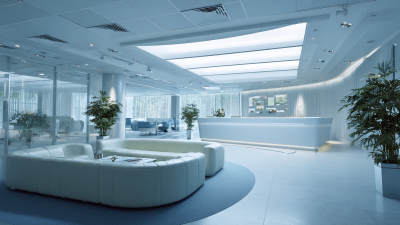
Open offices need soft, wide distribution rather than sharp points above every desk. Recessed panels with low-glare optics can reduce reflected brightness on monitors. Add dimming and occupancy controls where daylight changes during the day. Meeting rooms need adjustable light for video calls, presentations, and handwritten notes. A few discreet wall-washing fixtures can make faces appear less shadowed. Too much automation can frustrate staff, though.
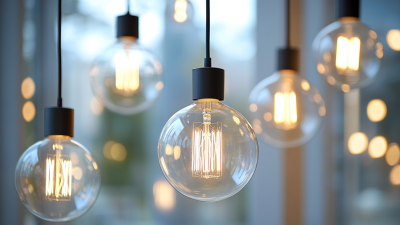
In restaurants, decorative pendants may create atmosphere, but they should not leave tables in uneven pools of light. Use focused downlights over dining surfaces and concealed illumination near service areas. Warehouses require durable high-bay fixtures with clear vertical visibility between aisles. Check mounting height, dust exposure, maintenance access, and emergency requirements before choosing. Healthcare spaces demand careful glare control and accurate color rendering. I have seen attractive layouts fail because cleaning teams could not reach the fixtures safely. That detail deserves attention. Maybe the perfect specification is still imperfect in practice.
How to Compare Costs, Controls, Efficiency, and Maintenance
What Are the 2026 Best Commercial Lighting Fixtures?
How to Compare Costs, Controls, Efficiency, and Maintenance
Choosing the best commercial lighting fixture in 2026 means comparing the complete operating system. Purchase price is only the visible line. Build a five-year cost model covering installation, electricity, controls, cleaning, driver replacement, and disposal. The U.S. Department of Energy reports that LED products can use up to 75% less energy and last up to 25 times longer than incandescent lamps. Commercial comparisons still require caution because existing fluorescent systems perform differently.
Efficiency matters, but the highest lumen-per-watt figure should not automatically win. The DOE’s 2024 solid-state lighting research reports laboratory LED efficacy above 200 lumens per watt. Real fixtures lose output through optics, drivers, thermal limits, and dirt. Check delivered lumens, wattage, glare control, color consistency, and lumen maintenance. A bright ceiling can still create uncomfortable reflections. Not always.
Controls matter. DOE guidance indicates occupancy controls can reduce lighting energy use by roughly 10% to 90%, depending on space activity. Daylight dimming can produce additional savings near windows. Specify sensors with clear commissioning procedures, accessible settings, and manual override options. Poor commissioning wastes the promised efficiency. That is imperfect. Maintenance teams should also review driver access, spare-part availability, warranty terms, and remote fault alerts. I would question any payback model that ignores lift rentals, labor rates, or tenant disruption.