
What are the Benefits of Using Smart Potentiometers?
Smart Potentiometers have become essential in modern electronics. They provide advanced functionality and precision in controlling electrical signals. Unlike traditional potentiometers, smart potentiometers offer digital communication capabilities. This feature is essential for applications requiring accurate data transmission and real-time adjustments.
Incorporating smart potentiometers can enhance equipment performance significantly. They can reduce the size and complexity of devices. These components enable robust design flexibility, catering to diverse applications from audio equipment to robotics. However, some engineers may face challenges when integrating them into existing systems. Understanding the nuances of digital interfaces is crucial for optimal performance.
Adopting smart potentiometers involves a learning curve. Not every design project will benefit from their complexity. Yet, when used appropriately, they provide unmatched convenience and precision. Balancing ease of use with functional demands is vital. The transition toward smart potentiometers reflects the industry's trend toward smarter, more efficient technologies.
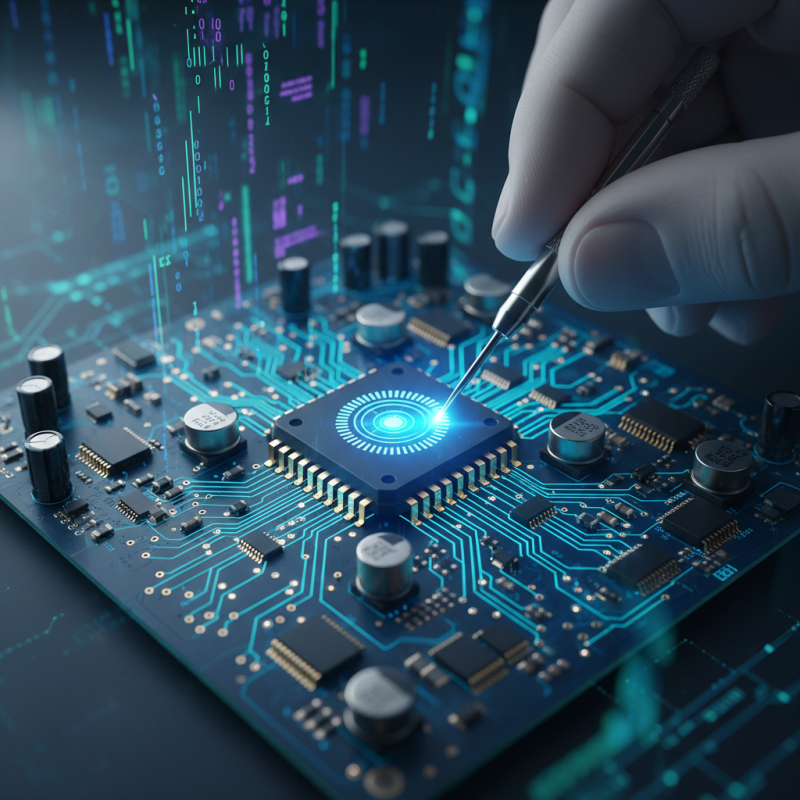
Understanding Smart Potentiometers and Their Functionality
Smart potentiometers play a critical role in modern electronic devices. They offer precise control over electrical signals through digital interfaces. Unlike traditional potentiometers, smart variants provide real-time feedback and adjustability. This enhances user experience in applications such as audio equipment and industrial automation.
According to a report by MarketsandMarkets, the global smart potentiometer market is projected to grow significantly, reaching USD 1.5 billion by 2026. Their ability to reduce manual calibration errors is a key factor driving this growth. Smart potentiometers can be programmed for various functionalities, offering versatility in design. They can include features like digital outputs, which improve communication between components.
Despite these advantages, challenges remain. Calibration settings might not always align perfectly due to environmental factors. Additionally, the integration of smart potentiometers into existing systems can introduce complexity. This indicates that there is a learning curve associated with their implementation. In some cases, expertise is needed to leverage their full potential effectively.
Key Advantages of Smart Potentiometers in Modern Electronics
Smart potentiometers are crucial in modern electronics. They offer enhanced features that traditional potentiometers cannot match. One major advantage is their digital control capabilities. Users can precisely adjust resistance using microcontrollers. This allows for improved accuracy in devices like audio equipment and robotics.
Another benefit is their ability to interface with software. Smart potentiometers can store settings and recall them when needed. This means fewer manual adjustments. Some models even provide real-time data on usage. Such information is valuable for both engineers and end-users. This level of integration increases overall efficiency in electronic designs.
However, reliance on technology can lead to limitations. For example, smart potentiometers might have a steeper learning curve. Users need to familiarize themselves with programming aspects. Additionally, their complexity may lead to higher costs. This can be a challenge for projects with tight budgets. Balancing performance with practicality is essential for successful implementation.
Comparative Analysis: Smart Potentiometers vs. Traditional Potentiometers
Smart potentiometers are revolutionizing the way we control electronic devices. Unlike traditional potentiometers, they feature advanced digital functionality. This digital approach enhances precision and responsiveness, making them ideal for modern applications.
Traditional potentiometers often suffer from wear and tear. Their mechanical components can degrade over time, leading to inconsistent performance. In contrast, smart potentiometers utilize sensors that provide real-time digital feedback. This technology significantly improves reliability and performance longevity.
Moreover, smart potentiometers allow for remote adjustments and integration with various systems. This flexibility is unmatched by conventional alternatives. However, the initial investment may be higher. Users should weigh the benefits against costs. Choosing the right type depends on project requirements. As technology evolves, smart potentiometers may become the norm rather than the exception.
Applications of Smart Potentiometers in Various Industries
Smart potentiometers have gained traction across multiple industries due to their versatility and functionality. In automotive applications, they enhance user interface technology by enabling precise control over audio systems and climate settings. According to a recent industry report, the automotive sector is projected to see a 25% increase in smart potentiometer adoption by 2025, reflecting the demand for improved user experiences.
In the realm of consumer electronics, smart potentiometers facilitate intuitive device interactions. They are commonly used in products like smartphones and smart home devices. Their ability to adjust settings with linear feedback contributes to a seamless user experience. Data indicates that the consumer electronics market will reach a value of $3 trillion by 2025, with a significant share attributed to these innovative components.
Tip: When selecting smart potentiometers, consider the required resolution and bandwidth for your application. Evaluate whether digital connectivity can enhance your project. Ensuring compatibility with existing systems can save time and resources.
In industrial automation, smart potentiometers play a critical role in optimizing control systems. Many manufacturers report a reduction in maintenance costs by 20% after implementing these components. However, transitioning to smart solutions is not without challenges. Organizations must evaluate compatibility and the learning curve associated with new technologies.
Challenges and Considerations in Implementing Smart Potentiometers
Implementing smart potentiometers comes with distinct challenges. Firstly, integration into existing systems can be complex. Compatibility issues may arise, impacting performance. It’s crucial to assess the current technology before making a switch. Additionally, the learning curve for engineers can hinder effective usage.
Despite these hurdles, there are efficient ways to navigate them. Regular training sessions ensure that all team members understand the devices. Collaborating with experts during implementation can help troubleshoot unexpected issues. Don’t hesitate to ask for guidance; it can save time.
Choosing the right environment for smart potentiometers is equally important. High humidity or dust can affect their reliability. It’s wise to invest in protective housing. Testing components in real-world scenarios prior to full deployment can reveal potential drawbacks. Adjustments can then be made to enhance functionality. Always be prepared for iterations along the way.