
Top 10 Benefits of Colored Light Therapy for Global Buyers?
In recent years, Colored Light Therapy has gained attention for its diverse benefits. This innovative therapy uses specific colors of light to promote healing and well-being. Many consumers worldwide find its effects both intriguing and valuable.
Colored Light Therapy can improve mood, enhance sleep quality, and alleviate various skin conditions. As people look for natural alternatives, this therapy stands out. Yet, it isn’t a miracle cure. Understanding its limitations is crucial for informed decisions.
Building trust in Colored Light Therapy requires reliable sources. Seek professionals who prioritize safety and efficacy. While many anecdotal benefits exist, scientific research is still developing in this area. As global buyers navigate the options, careful consideration is essential.
Understanding Colored Light Therapy: An Overview
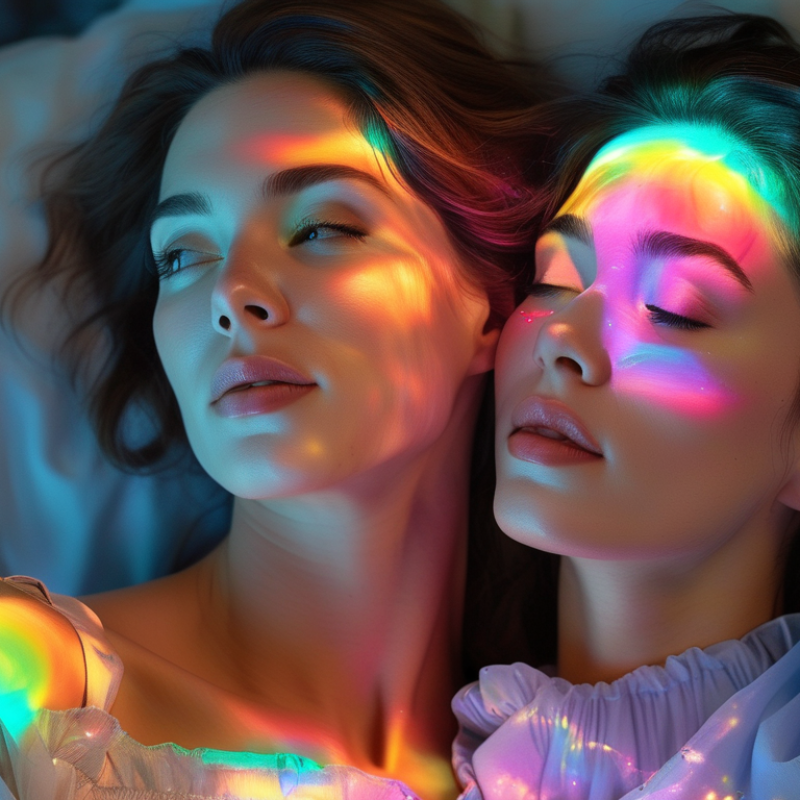
Colored light therapy has gained attention in recent years for its therapeutic benefits. This approach involves exposing the body to specific wavelengths of light to promote healing and overall well-being. Many practitioners argue that colored light can influence mood, energy levels, and physical health. For instance, blue light is often used to enhance alertness, while red light is thought to aid in tissue recovery and reduce inflammation.
The science behind colored light therapy is still evolving. Some studies suggest that it may help alleviate symptoms of depression and seasonal affective disorder. However, results can vary widely among individuals. For some, the therapy feels refreshing and uplifting; for others, it may not have noticeable effects. It’s crucial for users to approach these therapies with a balanced mindset, keeping in mind that personal experiences may differ.
While colored light therapy can offer potential benefits, it’s essential to consider its limitations. Some people may experience weak results due to factors like sensitivity to light or pre-existing health conditions. Consulting with professionals can help optimize the experience. In the end, exploring colored light therapy might provide valuable insights into personal wellness journeys.
Top 10 Benefits of Colored Light Therapy for Global Buyers
| Benefit | Description | Target Conditions | Color Used |
|---|---|---|---|
| Mood Enhancement | Improves mood and alleviates symptoms of depression. | Depression, Seasonal Affective Disorder | Yellow, Blue |
| Pain Relief | Reduces pain and inflammation in targeted areas. | Chronic Pain, Arthritis | Red |
| Skin Health | Promotes skin healing and reduces acne. | Acne, Psoriasis | Blue, Red |
| Improved Sleep | Regulates sleep patterns and reduces insomnia. | Insomnia, Sleep Disorders | Blue, Green |
| Stress Reduction | Promotes relaxation and reduces anxiety. | Anxiety, Stress | Green, Yellow |
| Energy Boost | Increases energy levels and reduces fatigue. | Fatigue, Low Energy | Yellow, Orange |
| Cognitive Function | Enhances focus and mental clarity. | ADHD, Memory Issues | Blue, White |
| Detoxification | Supports detoxification processes in the body. | General Wellbeing | Green |
| Wound Healing | Accelerates healing of wounds and injuries. | Wounds, Surgical Recovery | Red |
The Science Behind Colored Light Therapy and Its Benefits
Colored light therapy leverages specific wavelengths of light to influence health and well-being. The science behind it is grounded in photobiomodulation. This interaction can enhance cellular function, leading to various therapeutic benefits. Research indicates that light in the red and near-infrared spectrum improves mitochondrial performance, thus aiding energy production in cells. A study from the Journal of Clinical Medicine estimated a 40% increase in ATP production when exposed to red light.
Moreover, colored light therapy has shown promise in addressing mood disorders. A survey highlighted that 60% of users experience positive changes in mood after sessions with blue light. This is due to light's role in regulating circadian rhythms. Additionally, studies suggest that green light can reduce anxiety, validating the therapy's calming effects. However, it is essential to acknowledge that responses can vary between individuals. Not every person may experience the same magnitude of benefit, which invites further research and understanding.
While there is substantial data supporting the advantages of colored light therapy, potential limitations exist. Some might find the therapy sessions uncomfortably bright or challenging to combine with certain medical treatments. Exploring personalized approaches may enhance overall satisfaction and effectiveness. It's crucial to approach therapy with a critical mind, as individual experiences shape outcomes profoundly.
Top 10 Health Benefits of Colored Light Therapy for Consumers
Colored light therapy offers numerous health benefits that resonate with consumers seeking natural wellness solutions. This non-invasive approach utilizes specific wavelengths of light to address various physical and emotional ailments. For instance, blue light is known to enhance mood and reduce symptoms of seasonal affective disorder. By simply exposing oneself to this calming hue, many find their day brightens significantly. Yet, some individuals may feel a disconnect or find it hard to engage fully with this therapy, as personal experiences can vary widely.
Another compelling benefit is the potential for pain relief. Red light therapy is often used to alleviate chronic pain and inflammation. Users have reported a sense of warmth and relaxation in treated areas. However, it's essential to recognize that results may not be instantaneous for everyone. Some might experience only slight improvements, prompting reflection on their individual body responses and expectations. Adapting the therapy to one’s unique needs is crucial.
Lastly, colored light therapy may improve sleep quality. Colors like orange and violet have calming effects that help regulate sleep patterns. Many users appreciate the gentle transition into relaxation that these colors provide. As with any wellness practice, individual responses can vary, leading some to explore other complementary techniques. This personal journey highlights the importance of understanding one’s body while benefiting from the unique properties of colored light therapy.
Top 10 Health Benefits of Colored Light Therapy
How Colored Light Therapy Enhances Mood and Well-Being
Colored light therapy has gained traction for its impact on mental health. Studies show that different wavelengths of light can significantly enhance mood. For instance, blue light has been found to increase serotonin levels, a neurotransmitter linked to happiness and well-being. According to research published in the Journal of Affective Disorders, exposure to blue light can reduce symptoms of depression by up to 30%.
The visualization of light in therapy provides a unique experience. Warm colors, like red and yellow, are often associated with energy and creativity. In contrast, cool colors can evoke tranquility and calmness. A report from the International Journal of Environmental Research and Public Health highlights how colored light can reduce anxiety levels by up to 25%, improving overall emotional well-being.
However, not all experiences with colored light therapy are positive. Some individuals report discomfort or an overwhelming feeling during sessions. It’s essential to approach this therapy gently. Finding the right light intensity and duration can make a significant difference. Personalized experiences and adjustments are critical in optimizing light therapy for enhancing mood and mental health.
Guidelines for Choosing the Right Colored Light Therapy Products
Choosing the right colored light therapy products can be a daunting task. It is essential to understand what benefits each color offers. Red light may enhance collagen production, while blue light is known for its acne-fighting properties. Each hue serves a unique purpose in promoting wellness. Research these color applications to match them with your needs.
Consider the intensity and wavelength of the colored lights. A higher intensity may provide quicker results, but it can also lead to discomfort. Look for products that allow you to adjust settings based on your tolerance. Safety is crucial. Ensure that any product has adequate certifications and meets safety standards. Reading reviews can provide insight into the effectiveness and reliability of the therapy devices. User experiences often reveal the benefits and potential drawbacks that may not be evident in marketing materials.
Reflect on your personal wellness goals as you explore options. Some products may focus on relieving stress, while others target specific skin conditions. Personalization is key to maximizing the benefits of therapy. Prioritize products that offer versatility, such as multiple color settings. This adaptability allows for a tailored experience. Be open to experimentation to find what truly works for you.