
What is an Automatic Fire Shutter and How Does It Work?

In today's world, safety is a paramount concern, particularly in commercial buildings. The "Automatic Fire Shutter" is a crucial innovation in fire prevention. Industry expert John Adams, a fire safety engineer, once stated, "Automatic Fire Shutters can save lives and property when installed correctly." These devices serve as a barrier during a fire, preventing flames and smoke from spreading.

Automatic Fire Shutters operate by deploying on detection of heat or smoke. They are made from heat-resistant materials, ensuring they endure extreme temperatures during a fire. Their design allows for quick activation, often within seconds. However, improper installation can turn these life-saving devices into liabilities. Regular maintenance is essential to ensure they function correctly.

Despite their importance, many facilities overlook the significance of Automatic Fire Shutter systems. This negligence puts lives at risk. Investing in quality equipment and installation can make a significant difference. Awareness and education about these systems are key. Fire safety should never be taken lightly.
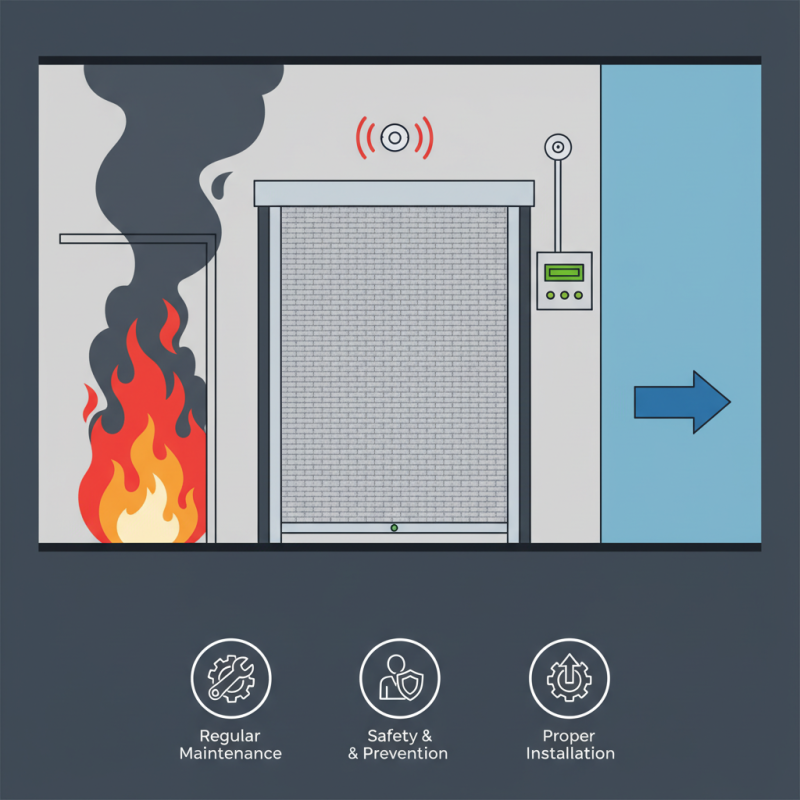
What is an Automatic Fire Shutter and How Does It Work?

Definition and Purpose of an Automatic Fire Shutter

An automatic fire shutter is a critical safety device designed to prevent the spread of fire and smoke in buildings. Its primary purpose is to compartmentalize areas, effectively containing a fire to its origin point. This minimizes damage and provides occupants more time to escape. When activated, these shutters descend quickly to seal off areas, blocking fire from advancing.

The automatic activation usually relies on smoke detectors or heat sensors. These devices detect increased temperatures or smoke presence, triggering the shutter mechanism. Often, these shutters are made of fire-resistant materials. They can withstand high temperatures, adding an extra layer of safety. However, sometimes they may malfunction. Regular maintenance is crucial for ensuring they operate as intended. Neglect can lead to failures when they are needed the most.

Fire shutters can be complex to install. Proper placement is essential for maximizing their effectiveness. They should be strategically located in hallways and doorways. In some instances, building designs may limit their use. This can lead to vulnerability in certain areas. While automatic fire shutters offer significant advantages, they require careful consideration. Balancing safety with practicality is key to their successful implementation.

Automatic Fire Shutter Performance Metrics

This bar chart illustrates the key performance metrics of automatic fire shutters, including their response time, closure speed, heat resistance, and compliance rate. These factors are crucial for understanding the effectiveness of fire safety measures.

How Automatic Fire Shutters Activate During a Fire Incident

Automatic fire shutters play a crucial role in fire safety. They help contain fires, preventing them from spreading across a building. These shutters are designed to respond automatically when a fire is detected. But how exactly do they activate during an incident?

When smoke or heat is detected, the fire alarm triggers the shutter. This can occur through thermal sensors or smoke detectors. Often, you might not notice them until a fire happens. The quick response helps limit damage and protect occupants. Once activated, the shutter descends rapidly, blocking the path of flames and smoke. This function is vital in large commercial spaces or complex structures.

However, there are challenges to consider. Sometimes, the sensors may not activate due to malfunction or false alarms. Regular maintenance is essential, yet it often gets overlooked. Ensuring that the shutter operates properly during a fire can save lives. Yet, many buildings still lack adequate testing schedules. It’s crucial to address these gaps in safety measures and reinforce the importance of automatic fire shutters.

Components and Mechanics of Automatic Fire Shutter Systems

Automatic fire shutters are essential for enhancing fire safety in various buildings. Their primary function is to restrict the spread of smoke and flames. The components of these systems include the shutter itself, sensors, and control mechanisms. The shutter is typically made of robust materials, providing effective barriers during a fire incident.

Smoke detectors are a crucial feature in automatic fire shutter systems. They detect the presence of smoke, triggering the shutter to close. Many buildings rely on these systems for adherence to safety regulations. According to fire safety reports, effective ingress protection can reduce fire and smoke damage by up to 70%. However, not all installations function flawlessly due to poor maintenance. It’s vital to regularly check these systems for any wear or malfunction.

When considering an automatic fire shutter, a proper installation is key. It must align correctly with surrounding structures. Any gaps could render it ineffective. Regular training for personnel on these systems is equally important. They must know how to react when the shutters engage and where emergency exits are located. It’s easy to overlook these points, yet they are critical for saving lives.

Installation Requirements and Best Practices for Fire Shutters

When installing automatic fire shutters, several requirements must be met. The area where the shutters will be installed should be assessed for structural integrity. Proper dimensions are crucial. Fire shutters must fit the opening correctly to ensure effectiveness. Materials used should be fire-resistant and compliant with local safety codes. It's also essential to include sensors that can detect smoke or heat.

Regular maintenance is critical for fire shutters. Inspect them at least twice a year to ensure functionality. Dust and debris can hinder their operation. Training staff on how to operate the shutters manually is also advisable. There should be clear signage indicating their location. This helps in emergencies, so people know where to go.

Installation often brings unexpected challenges. Finding the right contractor can be tough. Not every installer has experience with fire safety measures. Sometimes, existing building structures complicate installation. It’s important to keep open communication with the installer. This prevents misunderstandings that could impact safety.

Maintenance and Testing Procedures for Automatic Fire Shutters

Automatic fire shutters are critical for enhancing safety in commercial and industrial buildings. However, their effectiveness relies heavily on proper maintenance and testing procedures. Regular inspections should be conducted at least twice a year. These checks ensure the shutters perform optimally when needed. In a study by the National Fire Protection Association, approximately 70% of fire shield failures stem from improper maintenance.

Testing procedures should follow specific guidelines. Each shutter should be tested for its closing mechanism, opening speed, and response to fire alarms. It’s essential to document these tests. The documentation creates a record that can be critical during fire safety audits. Some facilities might neglect this aspect, leading to increased risks.

Physical wear and tear can occur over time. Frequent use may result in malfunction. It’s vital to lubricate moving parts and check electrical components regularly. Ignoring such details can lead to unpredictable shutter operation during an emergency. A recent industry report indicated that nearly 35% of all fire safety devices are not correctly maintained. Buildings must prioritize these protocols for greater safety.