2026 Top Commercial Hood Light Trends for Global Buyers?
In the evolving landscape of restaurant design, "Commercial Hood Light" has emerged as a critical element. The global market for these fixtures is projected to grow by over 6% annually, according to a recent report by MarketsandMarkets. Expert Sarah Johnson, a lighting consultant, emphasizes this point: “The right hood lighting not only enhances visibility but also improves the overall kitchen environment.”
As culinary demands become more sophisticated, the trends in Commercial Hood Lights are also changing. Features such as energy efficiency and smart technology integration are gaining popularity. Restaurant owners are looking for innovative solutions that comply with safety standards while providing adequate illumination. However, some may overlook the importance of aesthetic appeal in these functional fixtures.
While many buyers focus solely on cost, it’s essential to consider long-term benefits. Investing in quality Commercial Hood Lights can lead to better work performance and safety. Failing to choose wisely in this area may result in increased maintenance costs or inadequate lighting. Balancing cost and quality is a challenge yet crucial for a well-functioning kitchen space.
2026 Overview of Commercial Hood Light Innovations and Trends
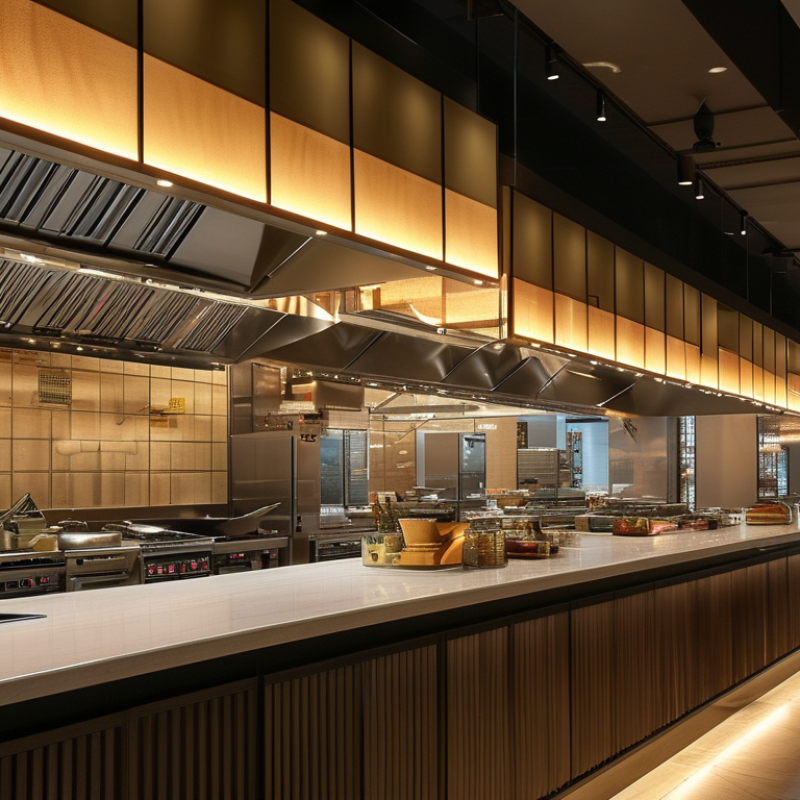
In 2026, the commercial hood light industry is set to experience significant innovations. LED technology is at the forefront. It provides brighter illumination and improved energy efficiency. Many establishments are opting for hood lights that offer adjustable brightness levels. This empowers users to customize their environment based on various needs. Notably, sensors are becoming more common. They can automatically adjust light intensity according to the surrounding conditions.
Design will play a vital role in this year’s trends. Streamlined, modern designs enhance aesthetics in commercial kitchens. Sleek finishes and minimalistic styles are gaining popularity. Additionally, integrating smart technology is on the rise. Lights that can be controlled via smartphone or voice commands are increasingly in demand. However, the challenge remains in ensuring compatibility with older systems.
Another concern within the industry is maintenance. While new materials are more durable, they may come with higher initial costs. Adequate training for staff on managing these new systems is essential. Mismanagement can lead to reduced efficiency and increased operational costs. Focusing on user experience, however, can illuminate pathways for better design and functionality. Future buyers must consider practicality alongside innovation when choosing hood lights.
Key Design Elements Influencing Hood Light Market Demand in 2026
As we approach 2026, several key design elements are set to shape the demand for hood lights. A focus on energy efficiency is paramount. Buyers are increasingly seeking lights that minimize energy consumption while maximizing brightness. This trend caters to a growing environmental awareness among consumers and businesses alike.
Another important factor is the adaptability of options. Flexible designs that fit various kitchen styles are in demand. Modular systems allow for easy customization and installation. This versatility appeals to global buyers looking for solutions that blend seamlessly into their spaces.
Tips: Consider fixtures that offer adjustable brightness. This can enhance both functionality and ambiance. Pay attention to materials; durable, easy-to-clean options are preferable. They improve longevity and ease of maintenance. Lastly, think about color temperature; warmer tones can create a cozy atmosphere, while cooler lights are ideal for task-oriented zones.
Reflecting on these aspects can lead to more informed purchasing decisions. Staying attuned to these trends will ensure that choices align with evolving market demands.
Sustainable Materials and Energy Efficiency in Commercial Hood Lighting
As the world moves toward sustainability, commercial hood lighting is evolving. Many buyers now seek solutions that prioritize eco-friendliness. Sustainable materials are essential in this shift. Manufacturers are exploring options like recycled metals and bio-based plastics. These choices reduce environmental impact and enhance brand reputation.
Energy efficiency is another key focus. LED technology plays a significant role by providing bright light while consuming less power. Such savings can lead to lower utility bills, making them attractive to business owners. However, not all LED products are created equal. Buyers should research the longevity and luminous efficacy of their options.
Challenges remain in this transition. Some products may still rely on less sustainable components. Innovation is needed to eliminate these outdated practices. Continuous research and improvement are crucial to achieving true sustainability. Global buyers need to engage with suppliers that prioritize these values in their designs.
2026 Top Commercial Hood Light Trends
This chart illustrates the projected market trends for commercial hood lighting in 2026, focusing on sustainable materials and energy efficiency. The data reflects various categories of materials used in hood lighting and their expected market share.
Technological Advancements Shaping Hood Light Functionality and Use
The trend in hood light technology is rapidly evolving, offering smarter solutions for commercial kitchens. A recent report indicates that 75% of industry leaders consider energy efficiency a top priority. Advanced LED technology has emerged as a leading choice, providing up to 80% energy savings compared to traditional lighting. These advancements significantly reduce operational costs for restaurants and commercial kitchens.
Moreover, smart hood lights are gaining traction. Integration with IoT functionalities allows for real-time monitoring and remote control. Reports show that 45% of users prefer lighting systems that can adjust based on kitchen activity. This feature not only enhances usability but also promotes safety by ensuring proper visibility during peak times. However, the reliance on technology raises concerns about system failures and maintenance challenges.
While innovations enhance functionality, they can also create complexity. A survey found that 30% of kitchen staff reported difficulties in mastering the new systems. Training and adaptation may seem daunting. The balance between advanced features and user-friendly design is critical. As these trends evolve, the industry must reflect on how to effectively support kitchen teams while embracing technology.
Global Market Insights: Regional Variations in Hood Light Preferences
Regional preferences for hood lights show notable variations around the world. Buyers in North America favor bright, energy-efficient LEDs. Meanwhile, European markets often lean towards stylish designs that complement modern kitchen aesthetics. In Asia, compact and multifunctional options are gaining traction, especially in urban settings.
Awareness of local trends is essential. Tailoring your product to specific cultural or regional needs can enhance appeal. Consider structured designs for European buyers. They appreciate elegance and simplicity in their kitchen decor. In contrast, North American buyers often prioritize function over form. Brightness and efficiency are crucial for them.
Tips to keep in mind: Think about what drives your target market. Test designs in small batches before large-scale production. Additionally, stay updated on energy regulations in your region. This awareness can inform design choices and specifications. Not addressing these nuances could lead to mismatched products and lost opportunities.