
2026 Top High Speed Inspection Machine Trends What to Know?
As industries advance, high-speed inspection machines are becoming essential. These machines play a vital role in quality control and production efficiency. In 2026, several trends are emerging in this field, impacting manufacturers and consumers alike.
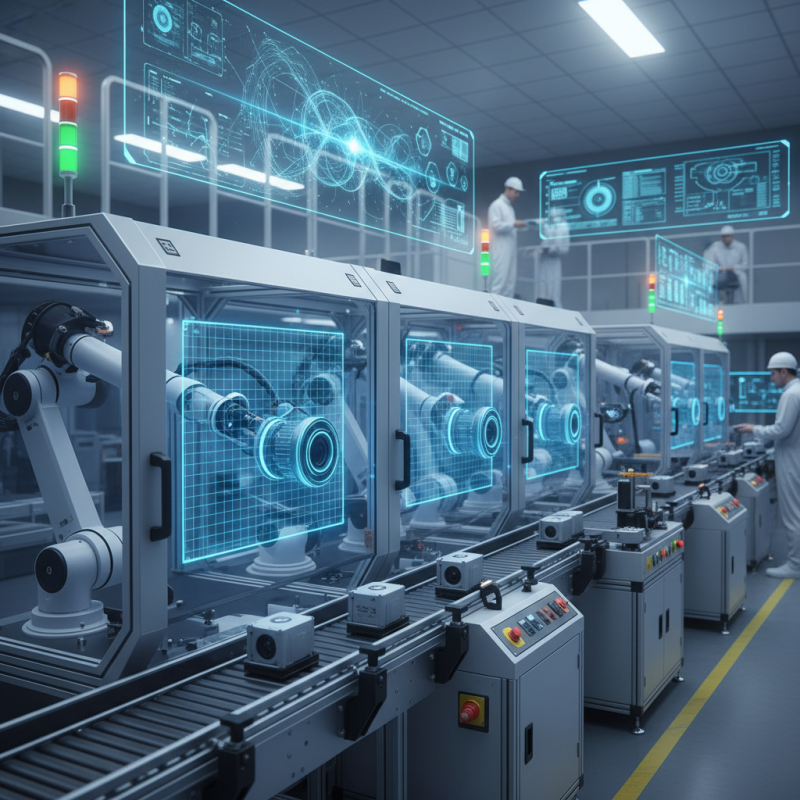
One key area is automation. High-speed inspection machines are increasingly integrated with robotic systems. This integration enhances speed and accuracy but requires careful planning. There is also growing interest in using artificial intelligence. AI can improve inspection processes but brings challenges, like data security concerns.
Another significant trend is the demand for customization. Companies want machines tailored to their specific needs. While this allows flexibility, it can complicate production. Manufacturers must balance innovation with practicality. The landscape of high-speed inspection machines is changing rapidly, and staying informed is crucial. The future holds exciting possibilities but also requires strategic reflection and adaptability.
Emerging Technologies in High-Speed Inspection Machines for 2026
The landscape of high-speed inspection machines is evolving rapidly. For 2026, several emerging technologies are set to reshape how these machines operate. One key advancement is the integration of artificial intelligence. AI can enhance defect detection rates by analyzing images and identifying anomalies. This technology reduces the time needed for human oversight.
Additionally, machine learning algorithms will likely refine accuracy. They learn from past inspection data, improving their responses over time. This creates a cycle of continuous improvement that benefits manufacturers. Significant investments in camera technologies are also anticipated. High-definition cameras can capture intricate details, leading to better quality control.
However, with these advancements come challenges. Implementing such technologies requires skilled personnel. Industries may struggle to find talent familiar with AI and machine learning. On the other hand, there may be hesitance due to the initial cost of upgrading systems. Balancing innovation with budget constraints will be crucial. Despite these hurdles, the potential of high-speed inspection machines in improving production efficiency is too significant to overlook.
2026 High-Speed Inspection Machine Trends
Key Features of Next-Generation High-Speed Inspection Machines
Next-generation high-speed inspection machines are set to revolutionize the manufacturing sector. These machines are becoming increasingly important, driven by the need for quality assurance. Industry reports indicate that the global market for inspection machines is expected to grow at a CAGR of 8.4% from 2024 to 2028. This growth highlights the urgency for manufacturers to adopt advanced technologies.
Key features of next-gen machines include enhanced imaging systems and real-time analytics. Many new models incorporate AI algorithms for better defect detection. The integration of machine learning can reduce false positives significantly. Additionally, these systems often feature user-friendly interfaces. Operators can easily monitor and adjust settings while maintaining efficiency.
However, reliance on technology can pose challenges. Machine learning models require continuous training and data input. Without ongoing updates, accuracy may decline. Moreover, high-speed operations may lead to oversight in other quality aspects. As the technology evolves, maintaining a balance remains crucial. Manufacturers must assess how machine speed impacts overall production quality.
Impact of AI and Machine Learning on Inspection Processes
The manufacturing landscape is rapidly changing due to the integration of AI and machine learning. These technologies are reshaping inspection processes. They enhance accuracy and speed in identifying defects. Traditional methods often leave room for human error. AI minimizes this risk. Machine learning algorithms can analyze vast amounts of data, learning from each inspection to improve over time.
Consider implementing AI tools that capture real-time data. This data helps in predictive maintenance. Catching potential failures early is crucial. It can save significant costs down the line. However, reliance on automated systems can lead to complacency. Regular human oversight is still essential. Mistakes can happen, and algorithms can misinterpret anomalies.
One key tip is to train your team in both technology and critical thinking. Understanding the limitations of AI is vital. Encourage a culture of questioning results. Emphasize that while machines aid efficiency, human insight remains irreplaceable. Balancing technology with human intuition is the key to effective inspections.
2026 Top High Speed Inspection Machine Trends What to Know? - Impact of AI and Machine Learning on Inspection Processes
| Trend | Description | AI/ML Impact | Projected Growth (%) |
|---|---|---|---|
| Automated Visual Inspection | Use of cameras and algorithms to detect defects in products. | Enhances accuracy and speeds up the inspection time. | 25% |
| Predictive Maintenance | Anticipating equipment failures before they happen using data analysis. | Reduces downtime and maintenance costs through proactive measures. | 30% |
| Integrated Data Systems | Combining inspection data with production data for holistic views. | Improves decision-making speed and quality. | 20% |
| Robotic Process Automation | Employing robots for repetitive inspection tasks. | Increases consistency and efficiency in inspection tasks. | 15% |
| Edge Computing | Processing data closer to the inspection site for real-time feedback. | Reduces latency and improves response times during inspections. | 18% |
Market Demand and Industry Trends Influencing Inspection Technologies
As industries evolve, the demand for high-speed inspection machines is rising. Companies are seeking ways to improve efficiency and reduce errors. The focus is on enhancing product quality through advanced inspection technologies. These need to be faster, more accurate, and easier to implement.
Current market trends highlight the push toward automation. Machines that integrate artificial intelligence are becoming popular. They allow for real-time data analysis and quick decision-making. Automation not only speeds up the inspection process but also minimizes human error. However, there's a growing concern about the balance between technology and workforce impact. The more we automate, the clearer the gap in skills becomes.
Another notable trend is the shift towards sustainability. Firms are looking for inspection machines that minimize waste. Eco-friendly materials and energy-efficient designs are in demand. Users often find themselves needing to adapt, leading to hesitance in selecting the best options. It’s crucial to evaluate the long-term effects of these technologies on both the environment and the workforce. Finding harmony amidst rapid advancements requires thoughtful considerations.
Challenges and Solutions in High-Speed Inspection Machine Adoption
High-speed inspection machines are essential in modern manufacturing. Yet, their adoption presents unique challenges. According to a recent industry report, 40% of companies face integration issues. Legacy systems often struggle to connect with new technology. This disconnect leads to data silos and inefficient processes.
Training employees on complex machinery also proves difficult. A survey revealed that 30% of operators reported a steep learning curve. Ensuring comprehensive training programs can alleviate this issue. However, many companies still overlook this step.
Additionally, maintenance costs for high-speed machines can be daunting. A 2023 analysis indicates that up to 20% of operational budgets may shift to upkeep. This presents a dilemma: invest in high-speed tech or manage existing assets? Striking the right balance is crucial for long-term success. Addressing these challenges is vital for smoother adoption.