
10 Best Inspection Machines for Printing in 2026
Printing quality now depends on more than sharp images and fast production speeds. An effective Inspection Machine For Printing must detect defects before they become costly waste, customer complaints, or rejected shipments. In 2026, manufacturers are demanding reliable systems that combine high-resolution cameras, intelligent software, and stable performance across long production runs.
This guide examines ten leading inspection machines for printing, using practical criteria rather than marketing claims alone. We consider print speed, detection accuracy, setup time, interface design, data reporting, and integration with existing presses. Experience from real production environments matters. A machine may identify a tiny color shift under controlled lighting, yet struggle when dust, vibration, or reflective film appears.
Performance is never completely perfect. Even advanced systems require careful calibration, clean lenses, suitable lighting, and trained operators. That detail deserves attention. A strong machine supports human judgment instead of replacing it blindly. The best choices also provide traceable inspection records, clear alerts, and dependable technical support. These features help printers maintain consistent quality while reducing unnecessary material loss.
The following selection is intended for commercial printers, packaging producers, label manufacturers, and quality managers. It balances technical capability with daily usability and long-term value. Some machines lead in speed, while others offer better flexibility for complex artwork or short production runs. Readers should compare these strengths against their own substrates, tolerances, workflow, and budget before making a final decision.
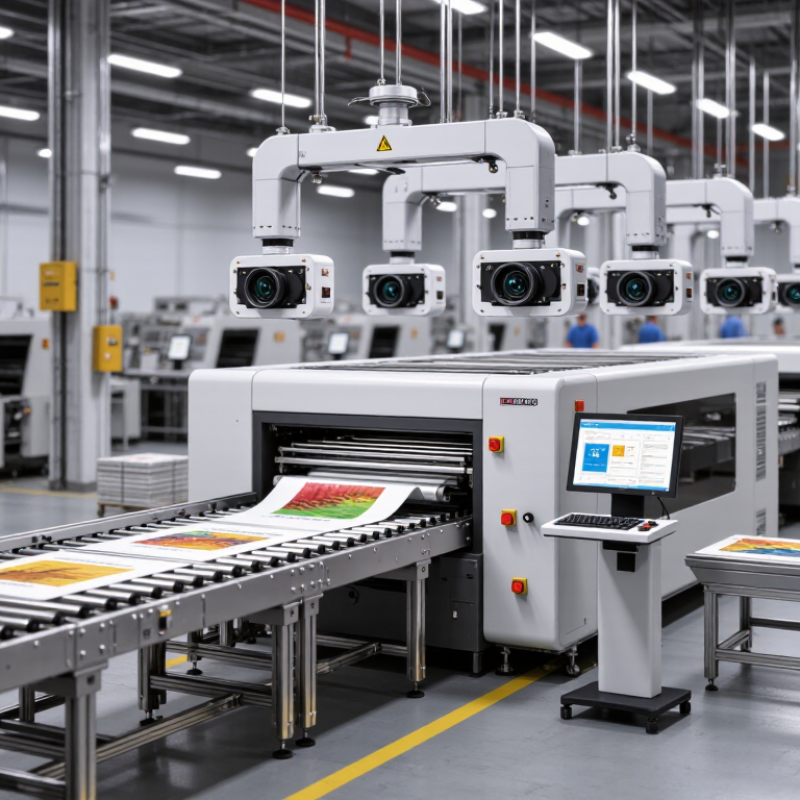
What Printing Inspection Machines Are and How They Work
Printing inspection machines are automated quality-control systems that examine printed materials while they move through a production line.
They use cameras, controlled lighting, and sensors to detect defects such as missing text, smudged ink, color shifts, scratches, and registration errors. The machine compares each image with an approved reference file. When it finds a significant difference, it records the position and can trigger a reject mechanism or alert an operator.
The process depends on more than cameras. Proper lighting reveals fine marks, while software measures contrast, shape, spacing, and color consistency. Experienced operators usually set tolerance limits according to the material and print purpose.
A small variation may be acceptable on newspaper stock but unacceptable on a technical label. In practice, reflective surfaces can confuse the system, and dust may create false warnings. No inspection machine is flawless. Human review still matters, especially when unusual defects appear.
Tips:
Calibrate cameras at the start of each shift. Keep lenses and lighting covers clean. Use a reliable reference sample, not a rushed digital file. Record recurring defects and adjust thresholds carefully. Overly strict settings can waste good production, while loose settings may miss visible errors. Test the system with known defects before approving a long run.
Key Features for Comparing Printing Inspection Systems
Choosing among the 10 best inspection machines for printing in 2026 requires more than comparing camera counts. Smithers’ report, The Future of Printed Packaging to 2028, valued the market at about $431.6 billion in 2022. It forecasts approximately $551.3 billion by 2028. Higher output increases the cost of missed defects. It also exposes weak inspection settings.
Compare image resolution, line speed, and lighting control first. A system should detect pinholes, streaks, registration shifts, color variation, and missing text. Ask for measured detection limits, not attractive demonstration footage. A practical test should use your actual substrate, ink coverage, speed, and smallest defect. Small details matter. Spectral lighting can reveal low-contrast marks that standard illumination misses. Delta E reporting also helps operators judge color variation consistently.
Software deserves equal attention. Check whether the system supports barcode reading, OCR, defect classification, and automatic rejection. Review false-reject rates beside true-detection rates. A machine that rejects good rolls wastes material and operator time. In my experience, changeover speed is often underestimated. Recipe storage, role-based access, audit trails, and production data exports reduce repeated manual checks. PMMI’s 2024 packaging automation research highlights labor pressure and the growing need for connected equipment, but integration is rarely effortless. Network delays, poor training, and unclear ownership can weaken an otherwise capable system. Test recovery after a camera fault, not only perfect operation.
Ten Leading Printing Inspection Machines in 2026
The ten leading printing inspection machines in 2026 reflect a shift toward faster, evidence-based quality control. Web inspection systems monitor continuous rolls for streaks, pinholes, wrinkles, and missing print. Sheetfed inspection machines examine each sheet under controlled lighting. Color inspection machines compare measured values with approved references, not human memory. Register inspection systems detect tiny shifts between colors and finishing marks.
Barcode and QR-code verification machines check readability, contrast, and data accuracy. Surface inspection machines identify scuffs, dust, dents, and coating defects across large areas. Label inspection machines verify die-cut position, artwork, variable text, and adhesive alignment. Gravure and flexographic inspection machines watch cylinders, plates, ink transfer, and repeating patterns. Packaging inspection machines combine print, seal, shape, and position checks on finished packs. Digital print inspection machines track variable images, serial numbers, and page order at production speed.
In daily operation, I would judge a machine by repeatability, setup time, lighting stability, and the clarity of its defect reports. A useful system should save images, record inspection rules, and support regular calibration. Artificial intelligence can classify defects quickly, but it still needs skilled operators and clean reference samples. No system is flawless. False rejects may waste material, while missed defects damage trust. I have found that simple interfaces often outperform impressive dashboards during a rushed production change. That deserves more testing. Geological? No—operator feedback matters more than polished claims.
10 Best Inspection Machines for Printing in 2026 - Ten Leading Printing Inspection Machines in 2026
| No. | Inspection Machine Type | Printing Process | Typical Web or Sheet Width | Typical Inspection Speed | Typical Defect Resolution | Primary Defects Detected | Common Substrates | Production Integration | Recommended Application |
|---|---|---|---|---|---|---|---|---|---|
| 1 | High-Speed 100% Web Inspection System | Flexographic, gravure, offset | Up to 1,650 mm | Up to 600 m/min | Approximately 0.10–0.20 mm | Missing print, color variation, streaks, pinholes, spots, registration errors, splice defects | Paper, film, foil, pressure-sensitive label stock | Inline camera inspection with automatic reject, alarm, and roll mapping | Large-volume flexible packaging and label production |
| 2 | Advanced Print-Quality Verification System | Sheetfed offset and digital sheet printing | Up to 1,060 × 760 mm sheet format | Up to 18,000 sheets/hour | Approximately 0.10–0.20 mm | Color deviation, set-off, hickeys, scumming, missing text, image contamination, registration errors | Coated paper, uncoated paper, board, synthetic sheets | Camera bar or delivery inspection with production-data comparison | Commercial print, folding cartons, and high-quality publishing |
| 3 | Inline Gravure Cylinder and Web Inspection System | Rotogravure | Up to 1,300 mm | Up to 500 m/min | Approximately 0.15–0.30 mm | Cell plugging, ink contamination, doctor-blade lines, missing images, streaks, color density changes | Plastic film, aluminum foil, coated paper, laminate structures | Inline inspection with register monitoring and defect-location marking | Long-run packaging film and decorative printing |
| 4 | Flexible Packaging Surface Inspection Machine | Flexographic and gravure web printing | Up to 1,600 mm | Up to 400 m/min | Approximately 0.20–0.40 mm | Wrinkles, scratches, bubbles, ink smears, color shifts, incomplete seals, contamination | PE, PP, PET, BOPP, metallized film, laminated webs | Inline or near-line inspection with defect classification and roll segmentation | Food, medical, household, and industrial flexible packaging |
| 5 | Digital Print Variable-Data Inspection System | Inkjet and electrophotographic digital printing | Up to 1,000 mm web width | Up to 150 m/min | Approximately 0.10–0.25 mm | Unreadable codes, duplicate images, missing variable data, barcode errors, streaks, banding, image omissions | Paper, synthetic paper, label film, coated film | Reference-file comparison, barcode verification, OCR, and automatic job tracking | Labels, direct mail, security documents, and personalized packaging |
| 6 | Label Printing Inspection and Rewinding Machine | Narrow-web flexographic and digital printing | Up to 450 mm | Up to 250 m/min | Approximately 0.15–0.30 mm | Missing labels, die-cut registration faults, print-to-cut errors, color defects, barcode and text faults | Self-adhesive paper, PP, PE, PET, thermal label stock | 100% inspection combined with slitting, rewinding, splice detection, and reject marking | Pressure-sensitive labels and short-to-medium label runs |
| 7 | Security and Banknote Print Inspection System | Intaglio, offset, screen, and hybrid printing | Up to 1,000 mm sheet or web format | Up to 12,000 sheets/hour or 250 m/min | Approximately 0.05–0.15 mm | Fine-line breaks, missing features, color mismatch, registration errors, security-element omissions, surface damage | Security paper, polymer substrate, specialty document stock | Multispectral cameras, reference-image comparison, audit records, and secure reject handling | Banknotes, passports, certificates, tax stamps, and secure documents |
| 8 | Carton and Packaging Sheet Inspection System | Sheetfed offset and flexographic printing | Up to 1,600 × 1,200 mm sheet format | Up to 10,000 sheets/hour | Approximately 0.20–0.40 mm | Color inconsistency, missing panels, scuffing, contamination, incorrect artwork, barcode defects, registration faults | Folding carton board, corrugated liner, coated board, solid bleached board | Inline sheet inspection with batch reporting and automatic eject or stack separation | Pharmaceutical, food, beverage, and consumer-goods cartons |
| 9 | Decorative Print and Laminate Inspection System | Rotogravure and digital decorative printing | Up to 2,200 mm | Up to 300 m/min | Approximately 0.30–0.60 mm | Pattern distortion, shade variation, streaks, surface marks, repeat-length errors, misregistration, coating defects | Decorative paper, PVC film, wood-effect foil, coated laminate film | Web inspection with repeat-length monitoring, defect mapping, and quality trending | Flooring, furniture, interior panels, and decorative laminates |
| 10 | Offline Print Inspection and Quality-Control Scanner | Offset, flexographic, gravure, and digital printing | Up to 1,600 mm sheet or rewound roll | Up to 100 m/min or 3,000 sheets/hour | Approximately 0.10–0.30 mm | Color drift, print omissions, smudges, scratches, text errors, barcode defects, image comparison failures | Paper, board, film, foil, labels, and finished printed products | Near-line scanning with job reference comparison, statistical reporting, and manual review | Quality laboratories, converters, sampling inspection, and smaller production lines |
Note: Performance figures are representative operating ranges for comparable commercial inspection configurations. Actual capability depends on camera resolution, optics, lighting, substrate stability, print contrast, machine design, and production conditions.
How to Choose a Machine for Different Printing Applications
Choosing among the 10 best inspection machines for printing in 2026 requires more than comparing camera resolution. The correct system depends on the application, substrate, and production speed. Sheet-fed cartons need stable registration checks and accurate color comparison. Flexible packaging often requires web inspection across moving, reflective film. Labels may need narrow-web cameras for small text, missing print, and die-cut errors. Speed is not everything.
Match the inspection width to the actual print path, not the maximum advertised width. A high-speed press needs controlled lighting, fast image processing, and reliable defect tracking. For fine text, select higher optical resolution and test the smallest acceptable character. For metallic or glossy materials, adjustable lighting can reduce glare.
Ask for sample trials using your own ink, substrate, and production files.
Test it.
A useful machine should separate critical defects from harmless variation. Excessive sensitivity creates false alarms and operator fatigue. Weak sensitivity allows waste to continue unnoticed. Check calibration routines, recipe changes, data storage, and integration with the press workflow. Operators should understand alerts without studying complex menus. I have found that practical usability is often underestimated during technical evaluations. Maintenance access matters too, although it rarely appears in comparison tables. Before purchasing, measure inspection accuracy, changeover time, rejected material, and downtime during a realistic shift. A short trial can expose weaknesses that polished demonstrations hide.
Installation, Operation, and Maintenance Considerations
10 Best Inspection Machines for Printing in 2026
Installation, Operation, and Maintenance Considerations
Selecting an inspection machine is only part of the process. Installation determines whether its cameras, lighting, and sensors perform accurately. Place the system on a rigid, level surface beside the production line. Control dust, vibration, and temperature changes. A small alignment error can create false defects or missed marks. Electrical connections should follow qualified procedures and documented safety requirements.
Operation requires consistent setup. Operators should confirm web tension, print registration, illumination, and inspection sensitivity before every production run. Use approved reference samples with known acceptable and unacceptable defects. Keep product settings clearly labeled. During trials, record false rejects and missed defects. Perfect results are unlikely on the first attempt. That is useful feedback, not failure. Experienced teams review the data and adjust thresholds carefully instead of increasing sensitivity blindly.
Tips: Clean lenses and light covers at scheduled intervals. Check rollers, cables, and air lines weekly. Save configuration backups after validated changes. Train operators to stop the line when unusual noise, drifting images, or repeated false alarms appear. Maintenance logs should include dates, symptoms, actions, and verification results. Preventive checks are often cheaper than emergency downtime. Still, inspection cannot replace skilled judgment; reflective ink, textured stock, and changing ambient light may confuse even a well-maintained system.
10 Best Inspection Machines for Printing in 2026
Installation, operation, and maintenance planning benchmarks for common print-inspection machine types.
The chart compares representative planning values used in standard production environments: typical installation lead time, operating inspection speed, and scheduled maintenance interval. Actual performance depends on print width, substrate, resolution, line integration, product tolerances, and factory conditions. Confirm final specifications through factory acceptance testing and site acceptance testing.